Sunrise on the São Lourenço peninsula, mist in the Fanal forest, walks along the levadas and views above the clouds from Pico do Arieiro.
Madeira is a Portuguese island in the Atlantic about six hundred kilometres off the coast of Africa. It is called the island of eternal spring because temperatures hardly change throughout the year. The island was discovered by Portuguese navigators in the 15th century. At that time it was completely covered in forest, which is why it was named Madeira, meaning wood. The island is about fifty-seven kilometres long and twenty-two wide. Even so, driving from one end to the other takes more than an hour.
The island is volcanic and very mountainous. The highest peaks are over 1,800 metres and in the north cliffs drop straight into the sea. Roads run through tunnels and hairpin bends, and by car everything is close and far at the same time. The capital, Funchal, lies in the south in an amphitheatre above the sea. It is known for its flower market, Madeira wine and the wicker sledges that used to carry people down the hill from Monte.
São Lourenço
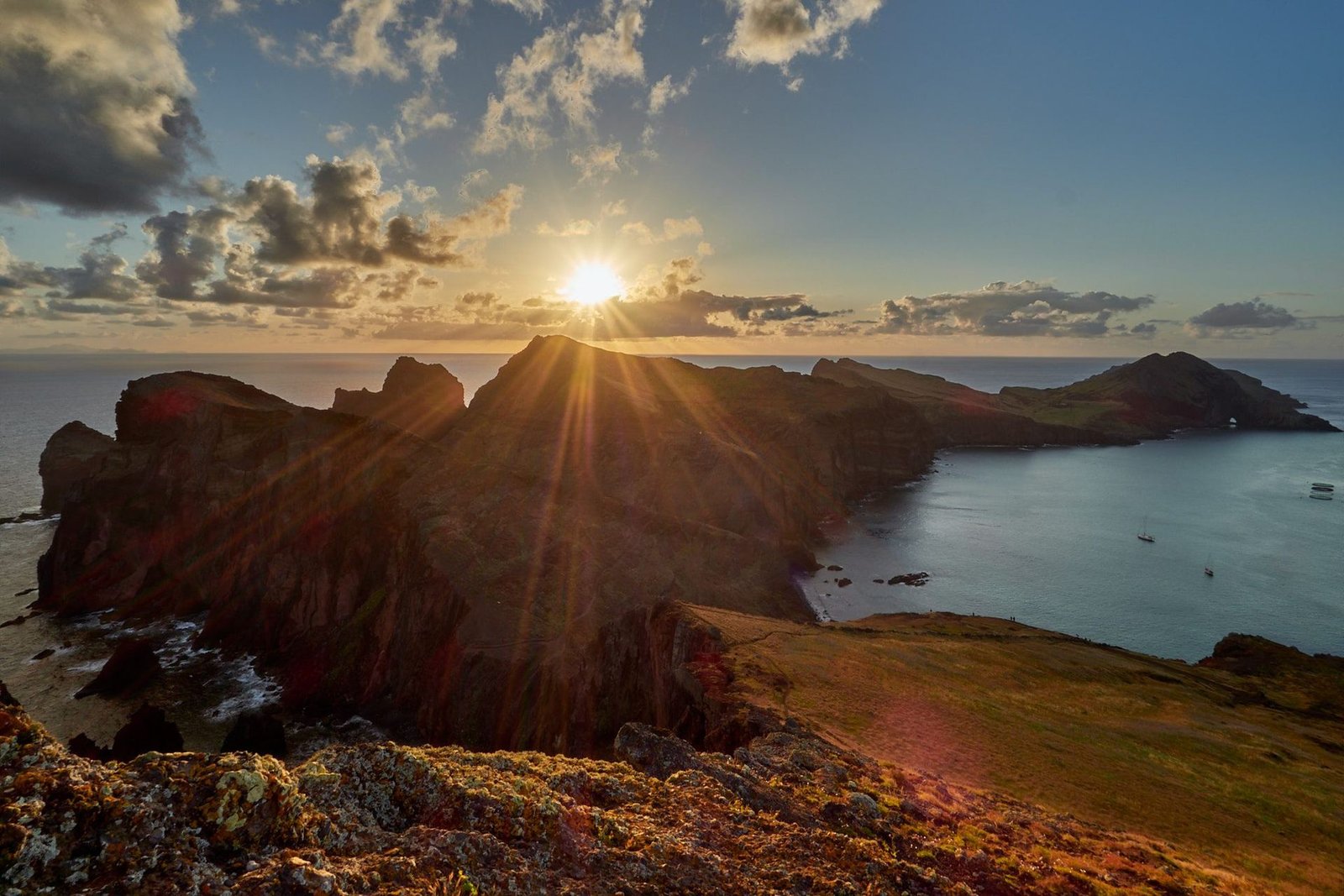
At the eastern end of the island lies the São Lourenço peninsula. It is bare and windy and the rocks glow red, brown and black. A path about four kilometres long leads across it to a viewpoint at the end. Unlike the rest of the island, no trees grow here. The landscape is bare and the wind blows almost constantly.
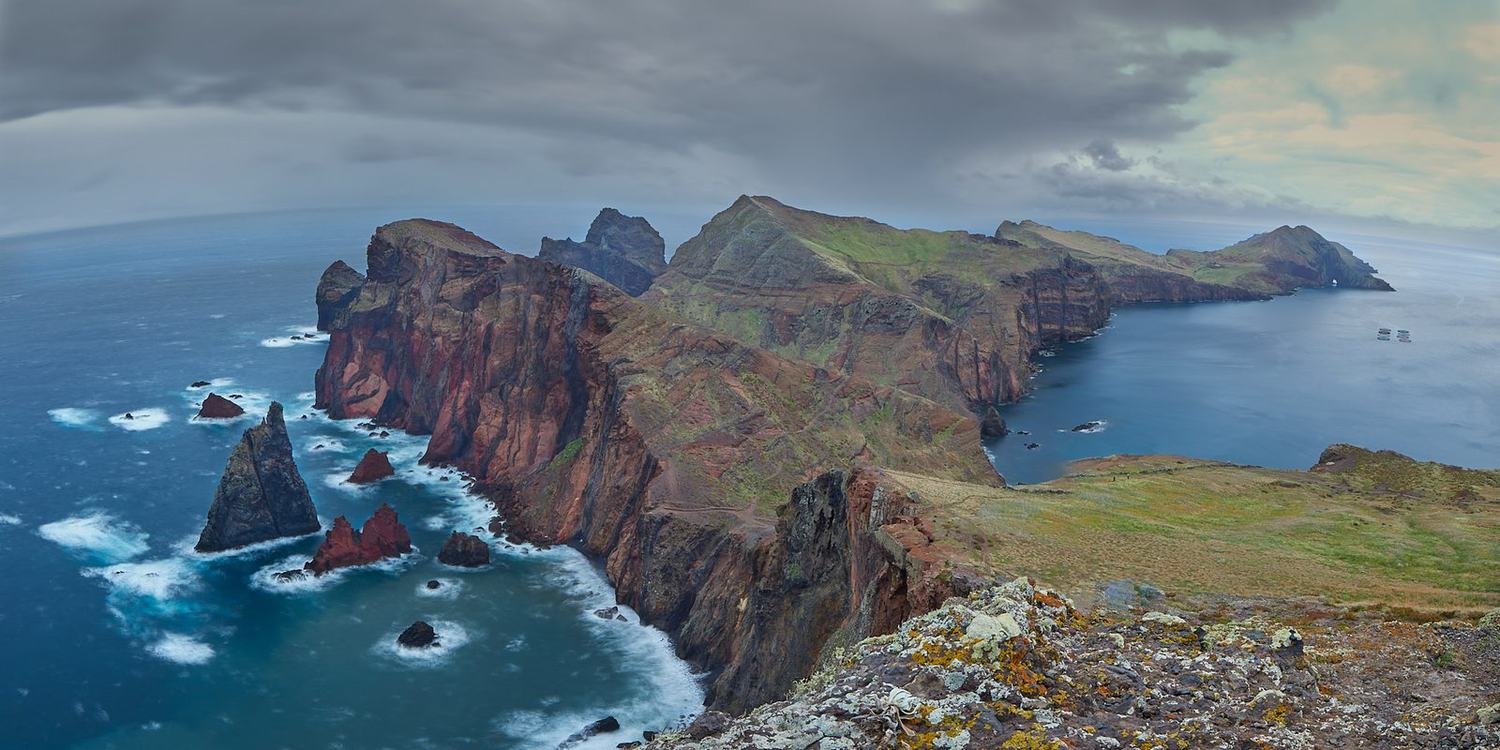
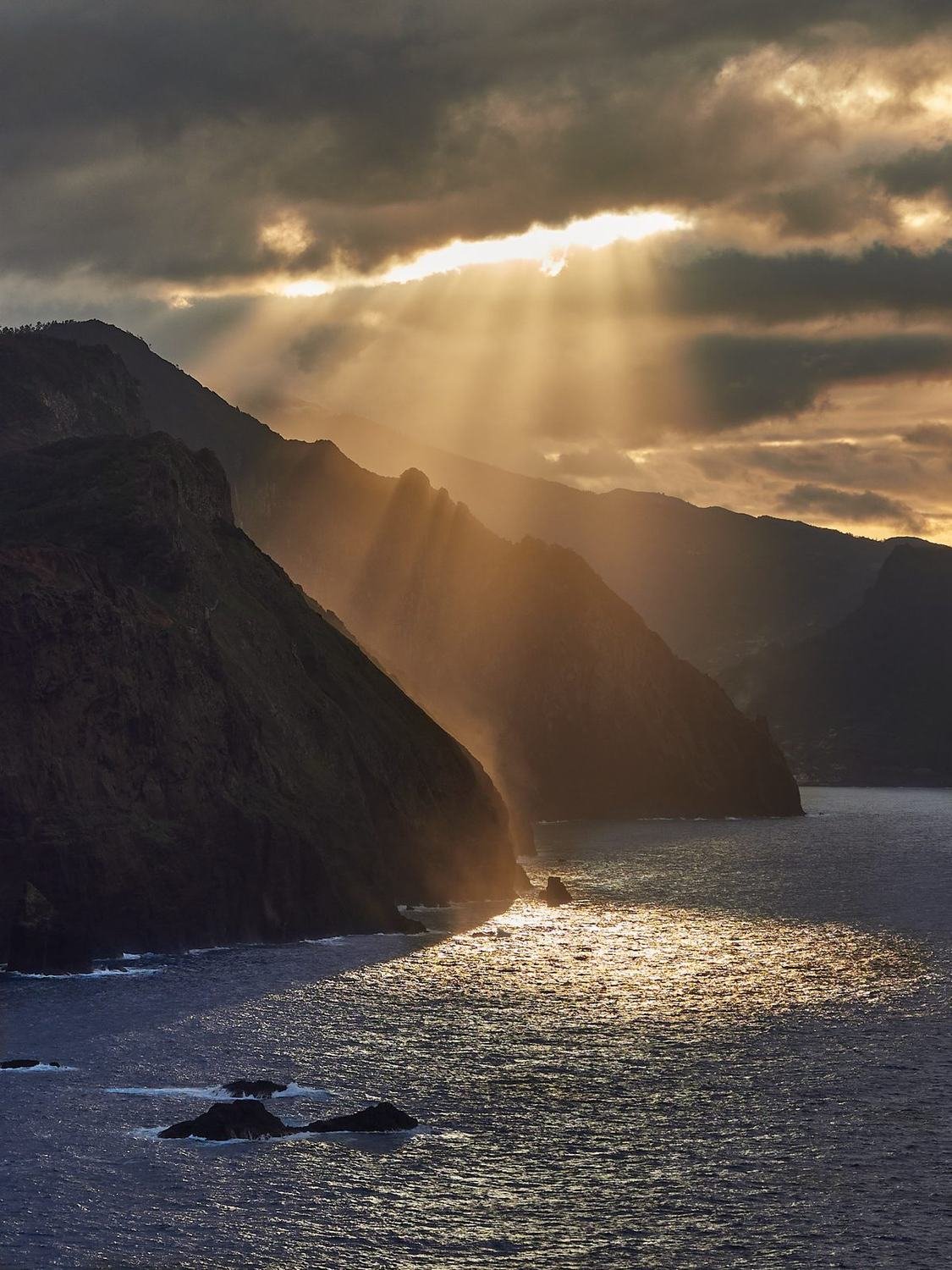
For sunrise you need to set off in the dark. The sun rises straight out of the sea and lights the cliffs orange. There is no one here but photographers and the wind. The path follows the ridge with views of both sides of the peninsula. At the end there is a small oasis with palm trees, and from there you can climb to the last viewpoint.
Fanal
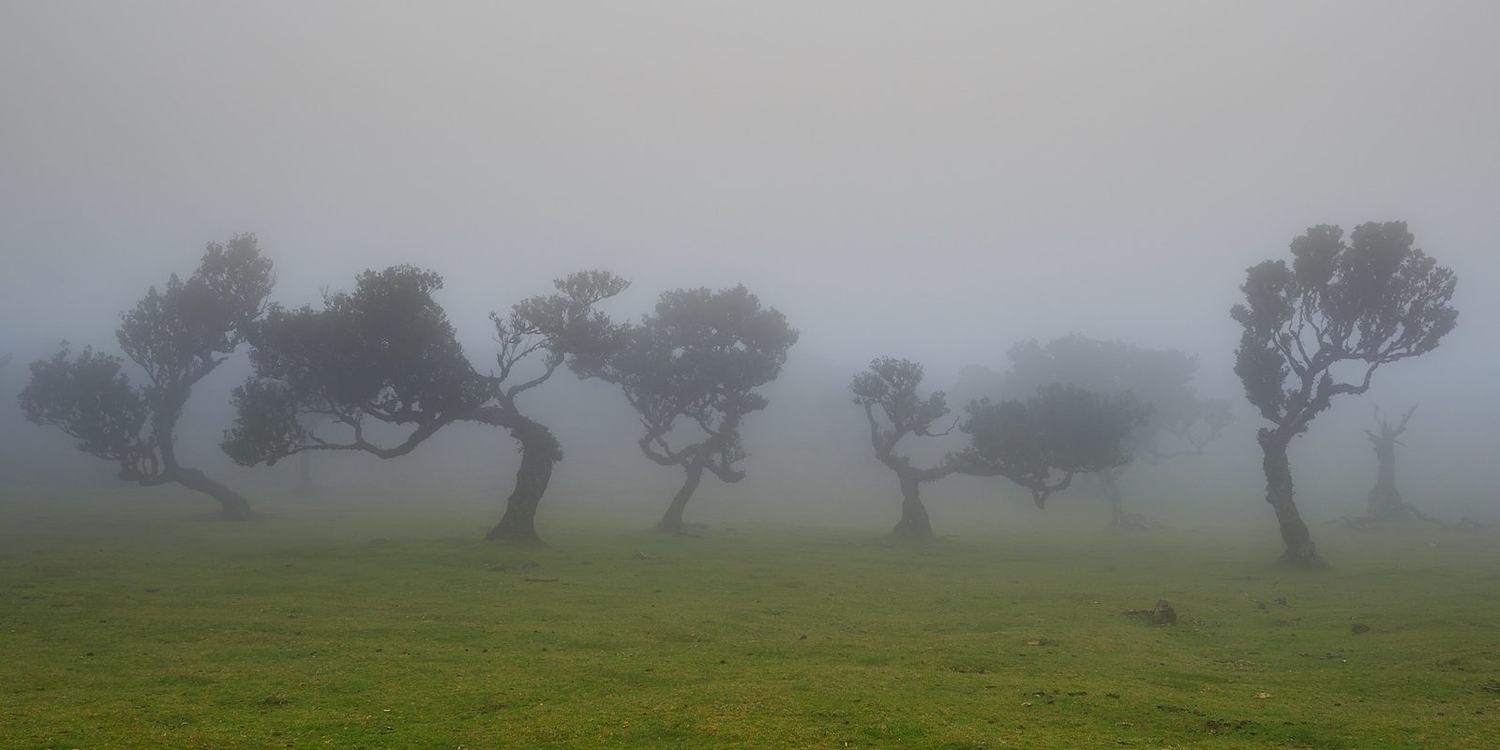
The Fanal forest grows on the Paul da Serra plateau. The old laurels have twisted trunks and branches covered in moss. When the mist comes in, which is often, the forest looks like something out of a fairy tale. Some of the trees are around five hundred years old. The forest lies at around 1,100 metres and the mist rolls in from the sea.
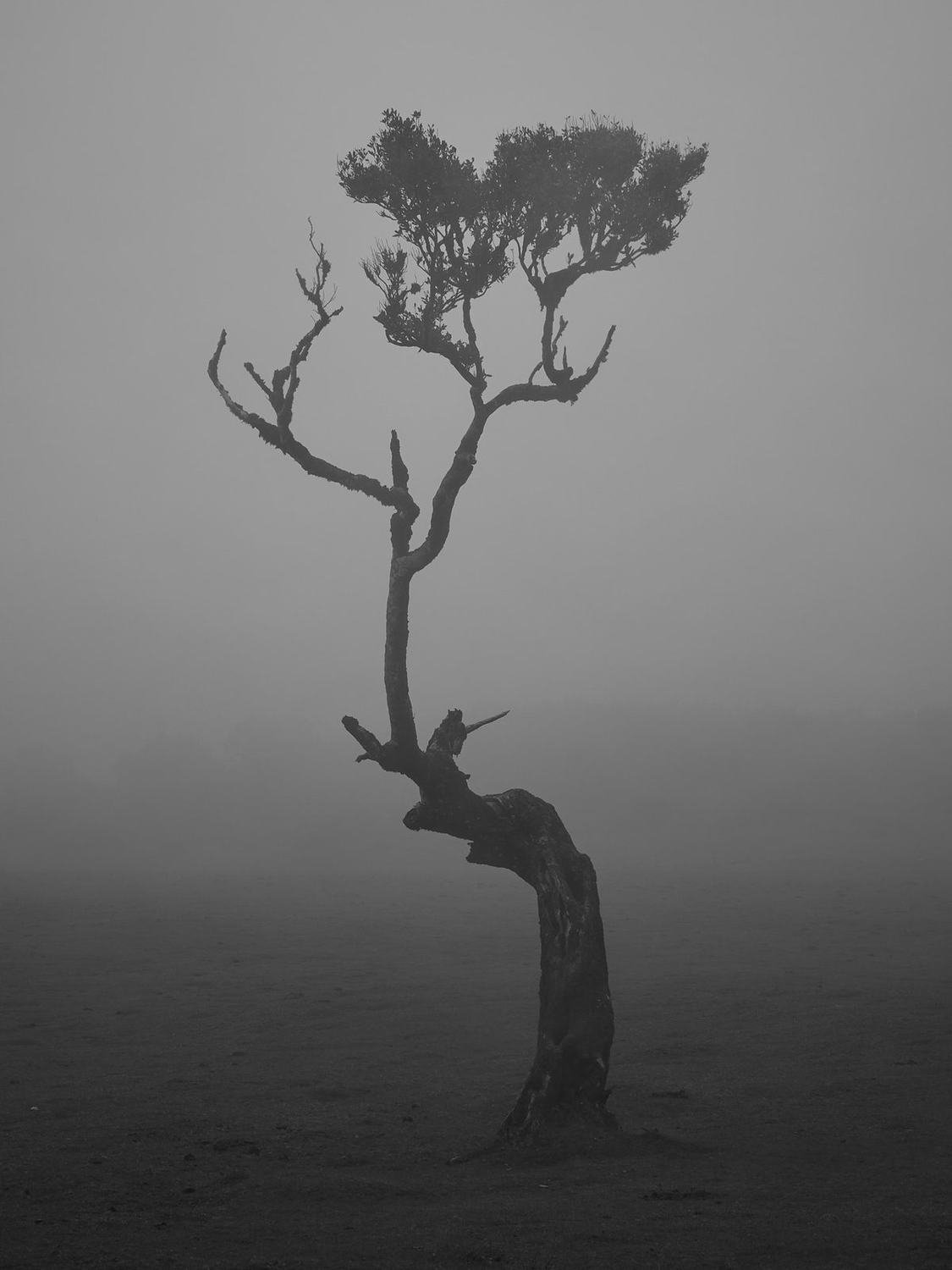

Cows graze among the trees. For photographs the mist is best when it slowly lifts and light shines between the trunks. It is best to arrive early in the morning when the forest is empty. The mist changes quickly during the day and within an hour the forest can look completely different.
Levadas
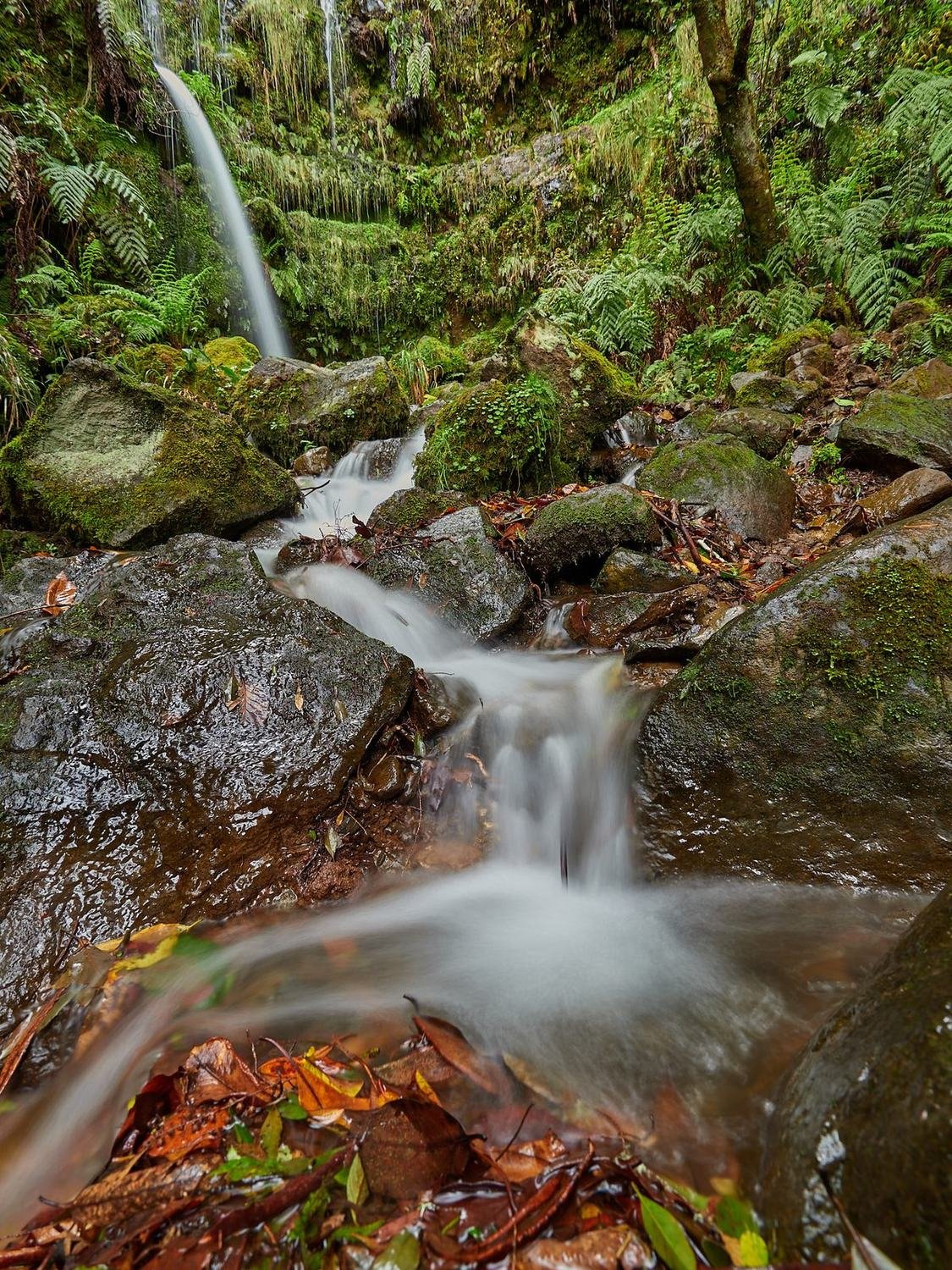
Levadas are narrow irrigation channels that carry water from the rainy north to the dry south of the island. They began to be built in the 15th century and today they total more than two thousand kilometres. The channels were built by labourers and slaves, who sometimes worked hanging on ropes above the abyss. The levada keepers, the levadeiros, still walk along them today. Water from the levadas irrigates terraced plots with banana plants, vines and vegetables. Terraces can be seen almost everywhere on the southern slopes.
Footpaths run alongside the levadas and serve as hiking trails. They are almost flat, but some lead along the edge of cliffs or through tunnels. A torch comes in handy. The best known are the levada to Caldeirão Verde and the one to the twenty-five springs of 25 Fontes. The popular trails get busy, so it pays to set off early. The levadas pass through the Laurisilva laurel forest, a UNESCO World Heritage Site. This type of forest once covered much of southern Europe; today it survives only in Macaronesia.
Pico do Arieiro
Pico do Arieiro is the island's third highest mountain at 1,818 metres. A road leads all the way to the summit. From here you often see a sea of clouds below your feet. Dozens of people come here for sunrise. The sun rises above the clouds and lights the ridges red.
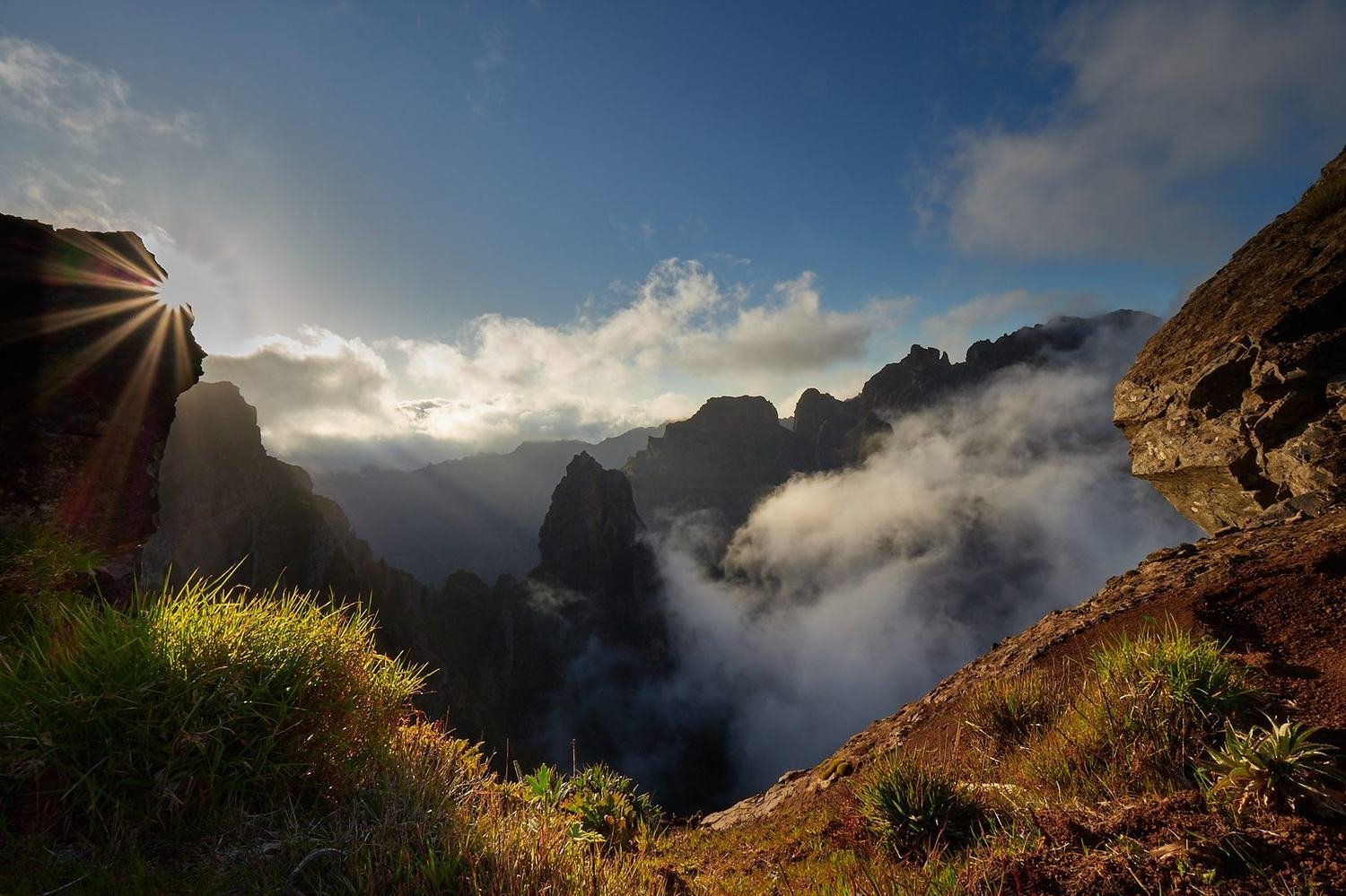
A ridge path leads from Pico do Arieiro to the highest mountain, Pico Ruivo. It is carved into the rock and runs through tunnels and up steps. In spring endemic plants flower along the way. At 1,862 metres Pico Ruivo is the highest mountain on the island. The return trip takes about six hours and is demanding because of the steps. If you do not want to walk the whole route, you can just go to the first viewpoints beyond Pico do Arieiro. Even from there you can see down into deep valleys to the north and south.

Practical tips
On Madeira it is worth hiring a car. The weather changes quickly and it often rains in the north even when the sun is shining in the south. For sunrise at São Lourenço and Pico do Arieiro, set off in the dark. The roads are steep and narrow, so a car with a stronger engine is useful. For levada walks take a rain jacket and a head torch for the tunnels.