A morning bathe in the Ganges, the bazaars and tombs of Delhi, the Golden Temple in Amritsar and the desert cities of Rajasthan – blue Jodhpur, golden Jaisalmer and the lakes of Udaipur.
I have been to India twice and each time I come back feeling that I have seen only a small part. It is a country that can thrill and exhaust you in a single day. On the second trip we came from Nepal and stayed five weeks. We travelled by train and bus, slept in cheap hotels and ate where the locals eat. This article is divided into three parts: holy Varanasi on the banks of the Ganges, Delhi with trips to the north and to Agra, and desert Rajasthan. Each shows a different face of India.
Varanasi
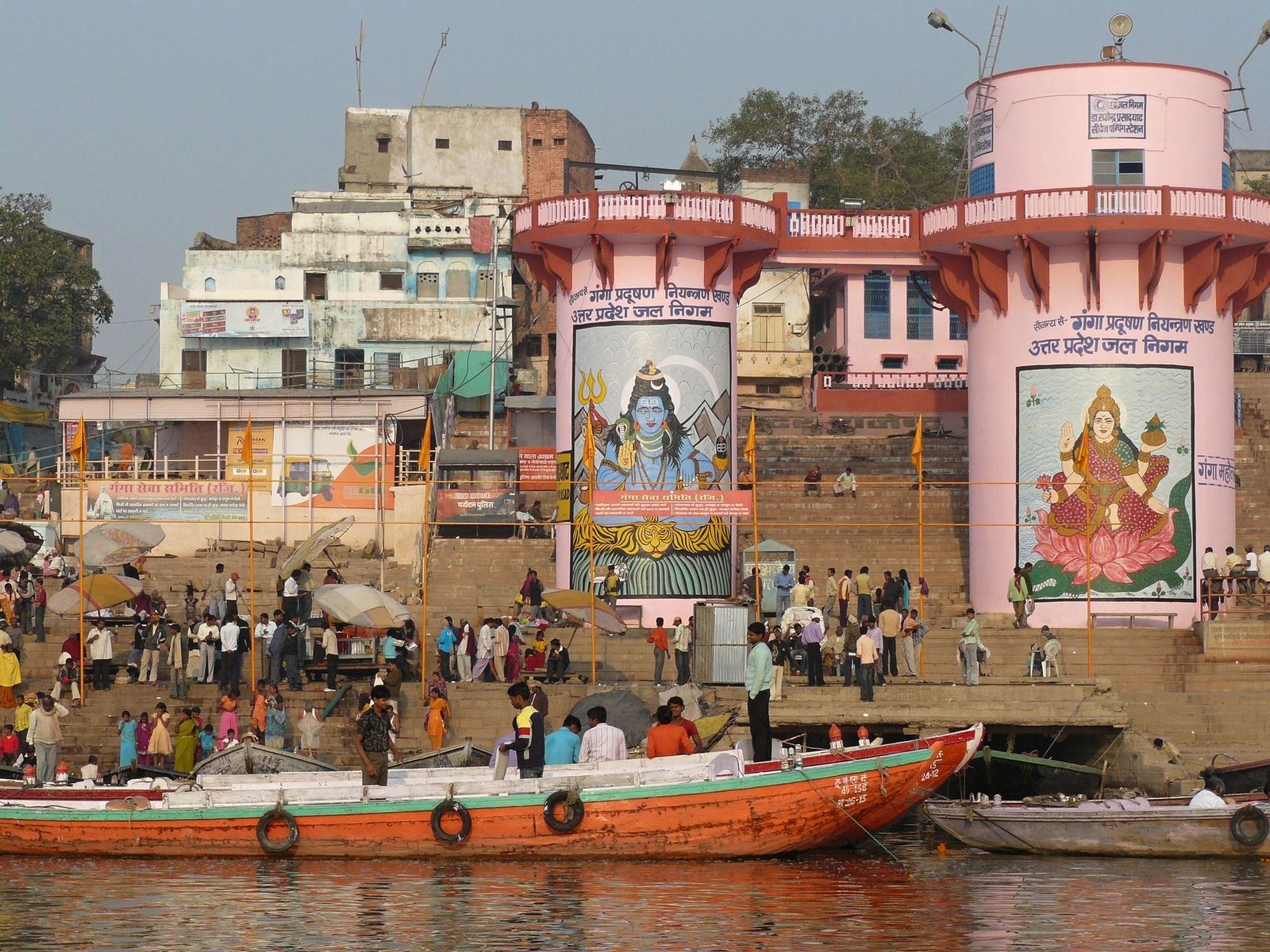
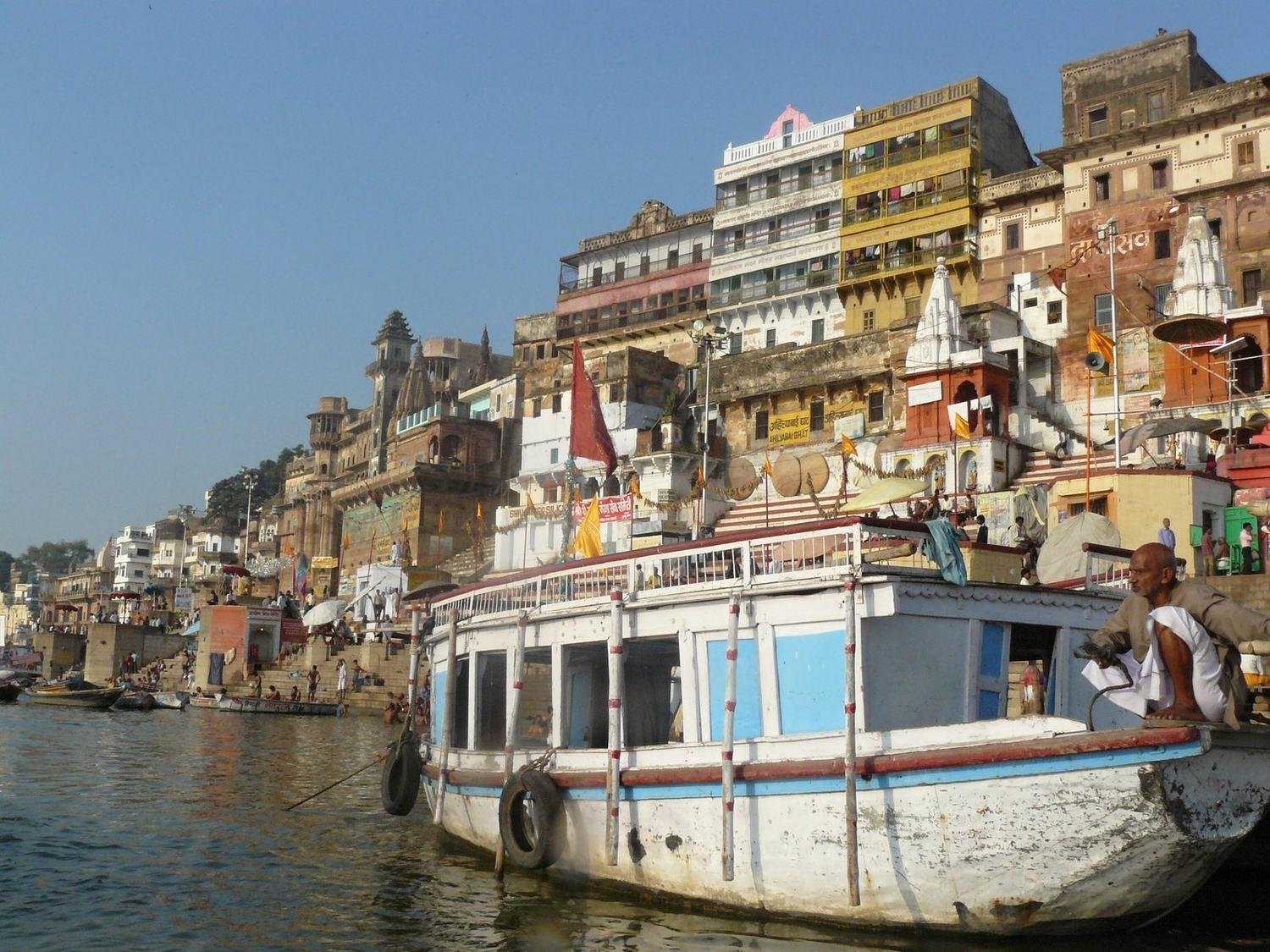
Varanasi is one of the oldest continuously inhabited cities in the world and the holiest place for Hindus. According to the faith, anyone who dies here and whose ashes end up in the Ganges is freed from the cycle of rebirth. That is why pilgrims come here from all over India. More than three kilometres of ghats – stone stairways that descend to the water – line the river. Every day thousands of pilgrims stream down them to wash away their sins by bathing in the river. Above the ghats stand maharajas' palaces, temples and houses painted in bright colours.
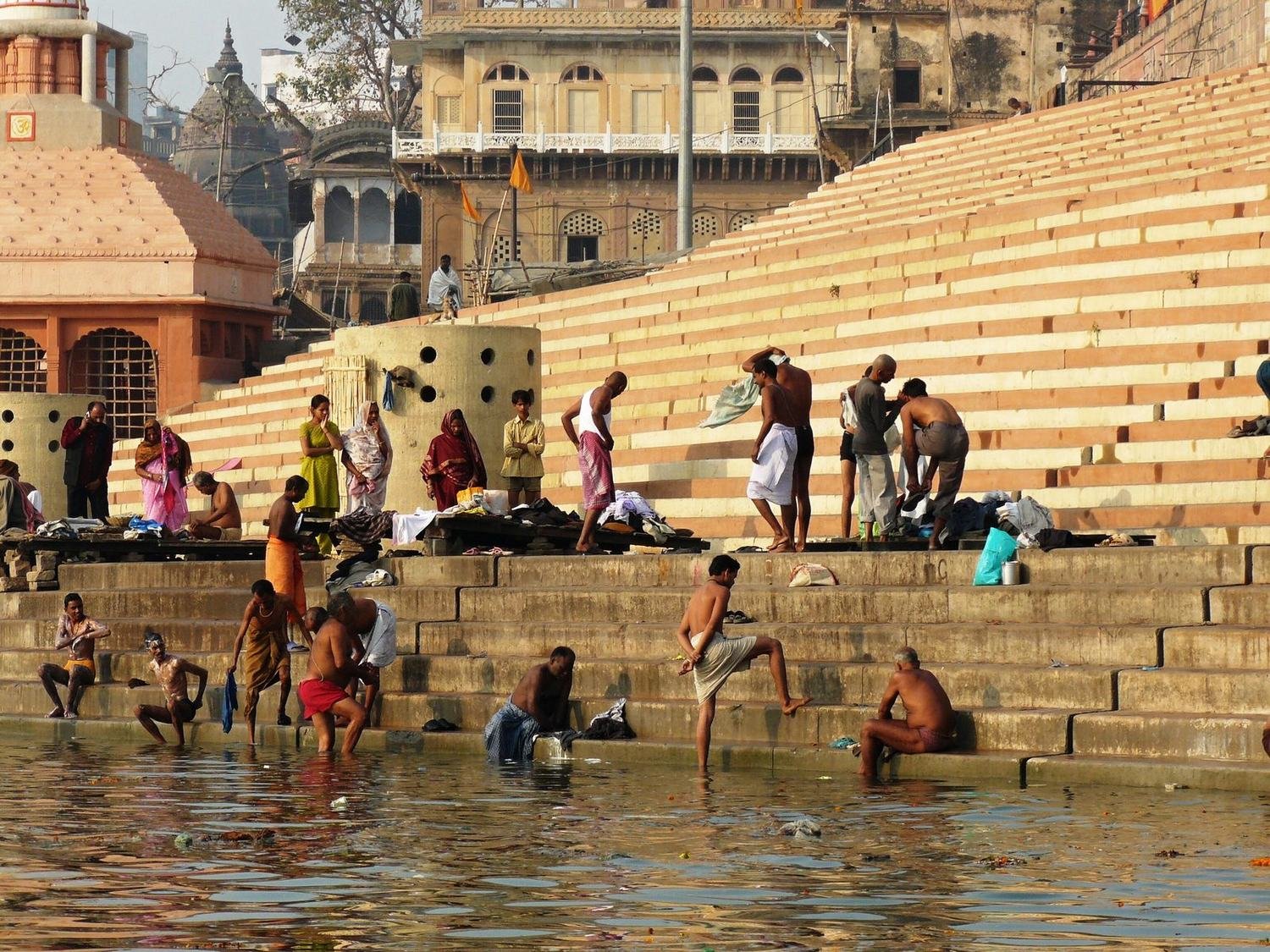
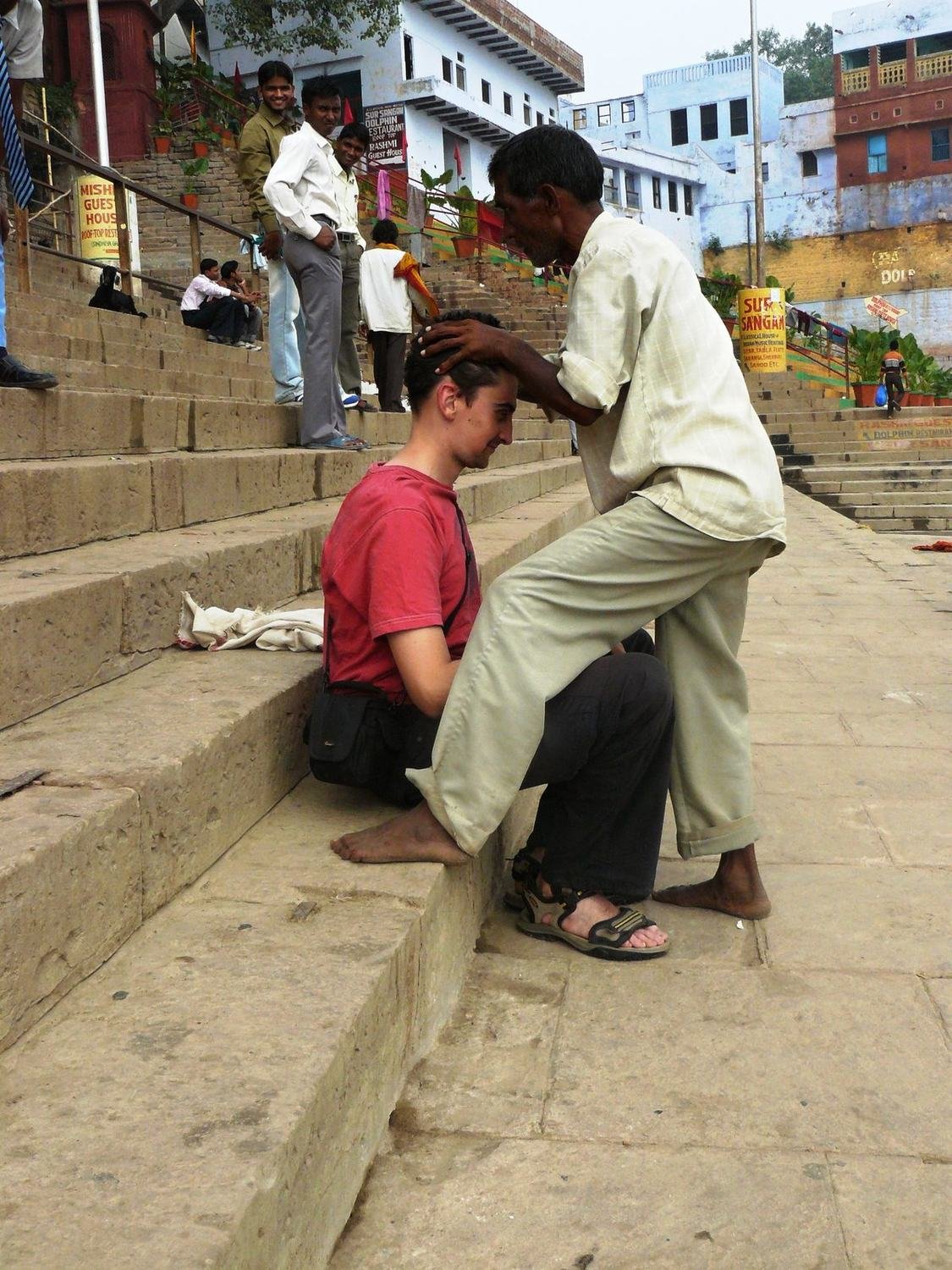
But the ghats are not only about sacred rituals. The everyday life of the locals also takes place on them. Laundry is washed, cricket is played, masseurs and barbers offer their services, and cows and goats lounge about in the middle of it all.
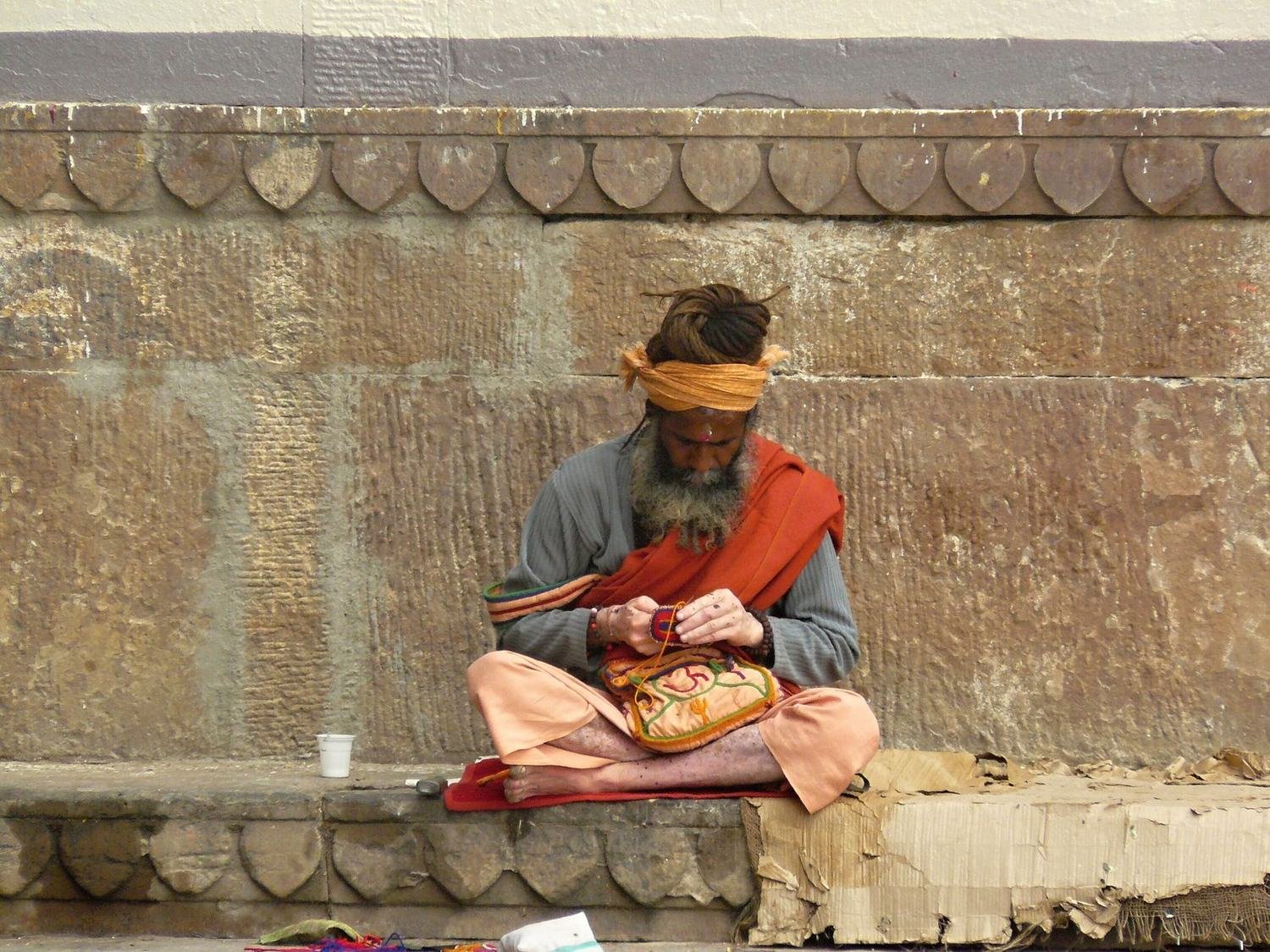
On two of the ghats the dead are cremated around the clock. Families say goodbye to the deceased here before their bodies burn on wooden pyres. Photography is not allowed and it is a place where you fall silent yourself. Sadhus, wandering ascetics with painted faces, sit on the steps. Some meditate for hours, others ask for a few rupees for a photo.
Varanasi is at its most beautiful at dawn. We hired a boat and drifted along the bank. The ghats and the palaces above them were laid out before us, lit by the rising sun. Pilgrims bathed on the steps and nobody paid any attention to us.
In the midday heat the ghats empty. In the afternoon the locals clean them – hosing all the rubbish into the river – and decorate them for the evening puja ceremony. Then crowds gather on the ghats again, chant mantras to the ringing of bells and send thousands of lit candles down the river. Anyone walking the ghats in Varanasi has to get used to constant offers. “Hello, boat?” you hear every few metres. We must have answered the question of whether we wanted a boat a hundred times a day. Even so, Varanasi has a unique atmosphere that nothing else can replace.
Delhi
From Varanasi we took a night train to Delhi. The capital became our favourite transit stop – we passed through four times during the trip. We stayed in the Paharganj district, close to the station. Paharganj means cheap accommodation, eateries and little shops where you can get absolutely anything. An incredible tangle of electric wires hangs above the streets. On the Main Bazaar crowds jump aside for honking tuk-tuks and motorbikes, and the shopkeepers call out: “Hello madam, have a look, looking is free.”
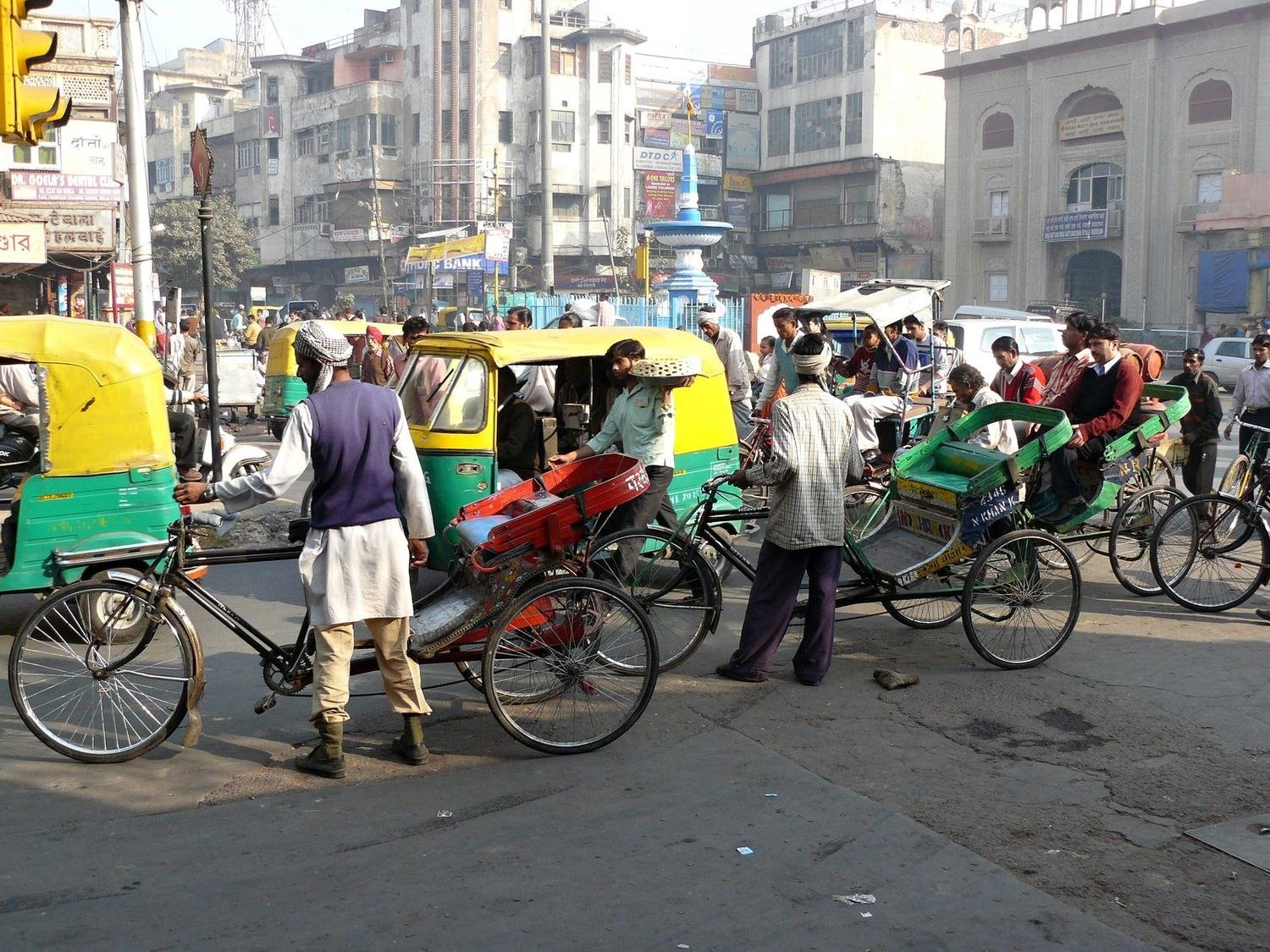
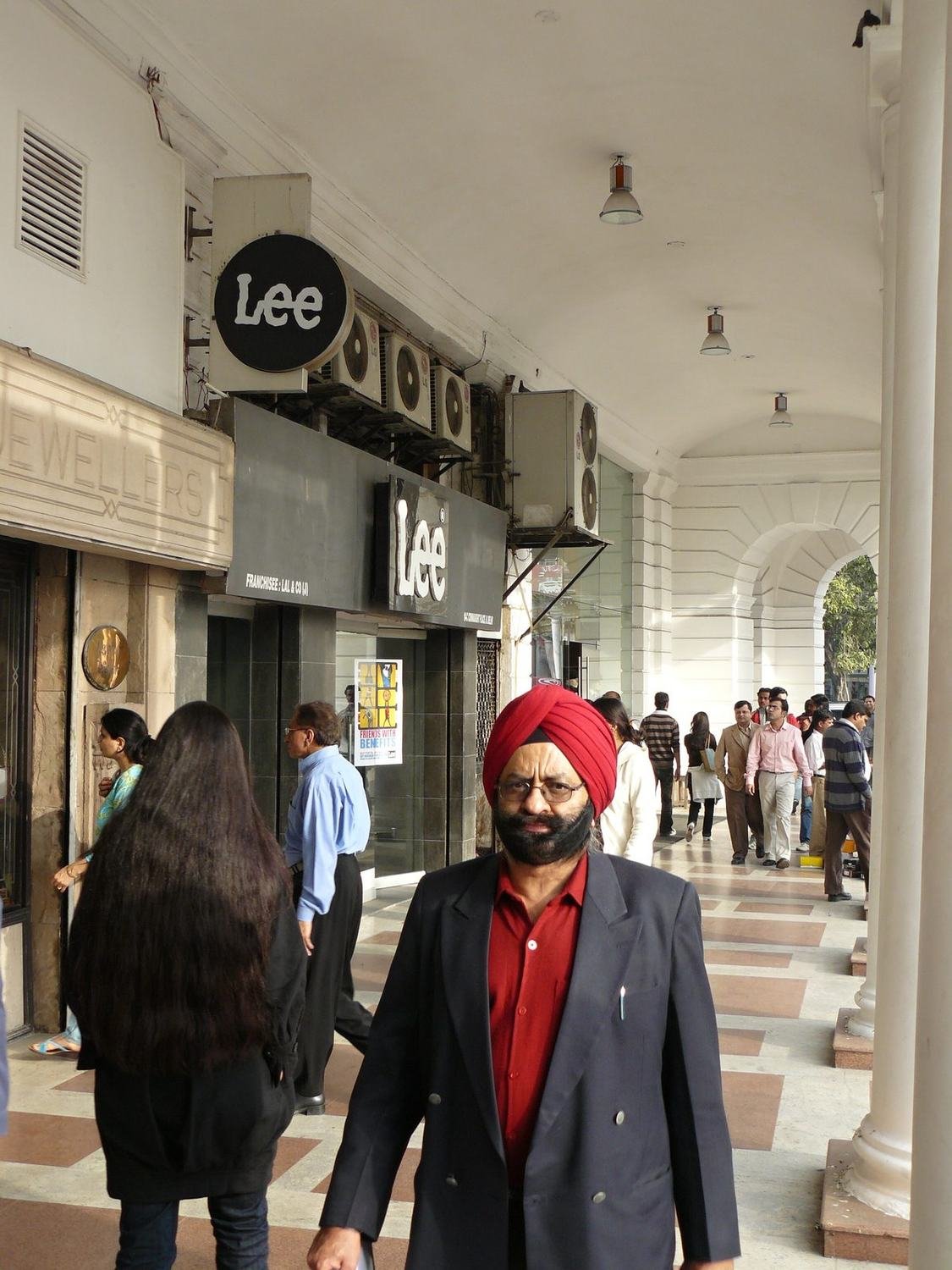
Delhi has countless faces and we liked it more and more. We were surprised by the modern, clean metro. Connaught Place, a circular plaza, has luxury shops, and with our backpacks we felt like the scruffiest people around.
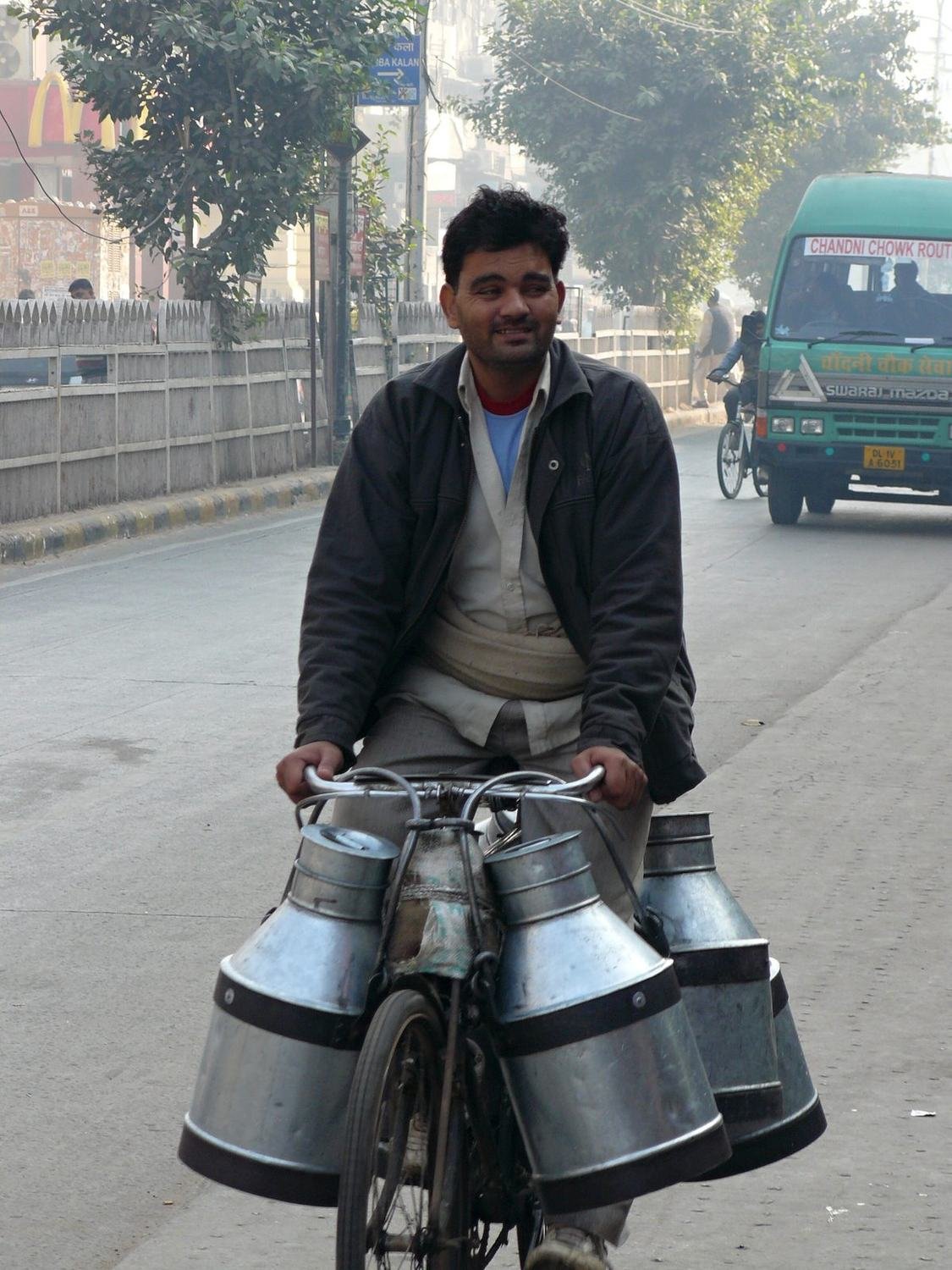
Old Delhi is a completely different world. At the Chandni Chowk market people, rickshaws, cows and porters with loads on their heads squeeze through the narrow lanes. Some shops sell spices, others silver, fabrics or flower garlands.
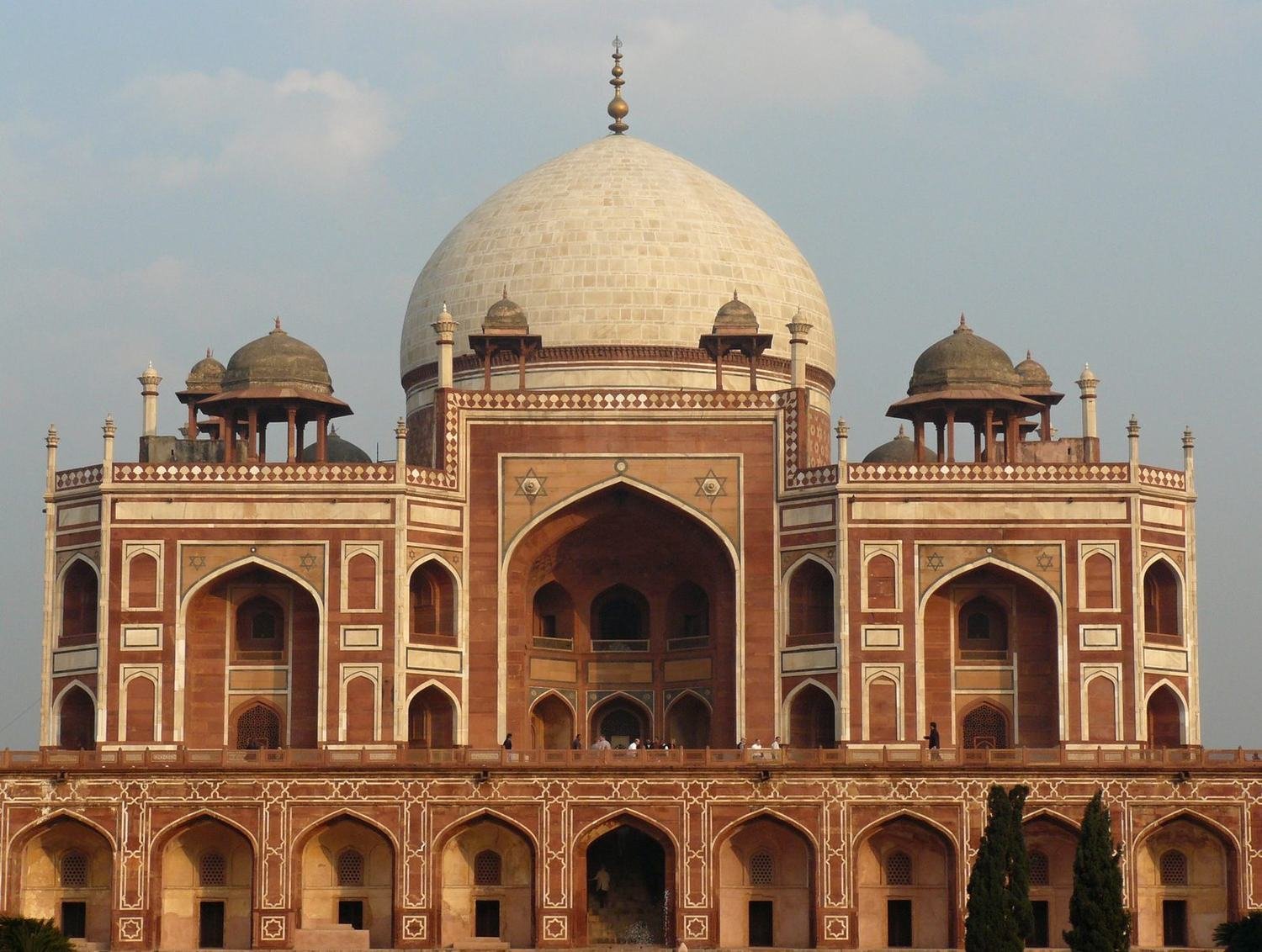
Not far away stand the Red Fort and Jama Masjid, the largest mosque in India. From its courtyard you look out over the rooftops of Old Delhi. On the way back we took a cycle rickshaw – at the second attempt. The first rickshaw driver tried to convince us it was ten kilometres back. Our favourite was Humayun's Tomb. It was built in the mid-16th century by the widow of a Mughal emperor. It is no ordinary tomb, but a palace of red sandstone and white marble set in vast gardens. It served as the model for the Taj Mahal, and we admired it with only a handful of other visitors.
Agra is a few hours from Delhi by train. The Taj Mahal really is as beautiful as they say, and photographs do not do it justice. The white marble changes colour with the light – pink in the morning, dazzling white at noon. Just be ready for crowds of tourists and smog in the city.

From Delhi we also headed north. We took a five-hour train to Kalka and then the narrow-gauge railway to Shimla. A hundred kilometres uphill takes five hours. Shimla is a mountain town with British houses and a church straight out of England. It reminded us of the Czech spa town of Luhačovice. Our strongest experience in all of India was Amritsar and the Golden Temple, the holiest place of the Sikhs. A complex of white stone buildings surrounds a lake, in the middle of which stands a temple covered in gilded sheet metal. Inside, priests continuously chant texts from the holy book and their singing sounds throughout the complex.
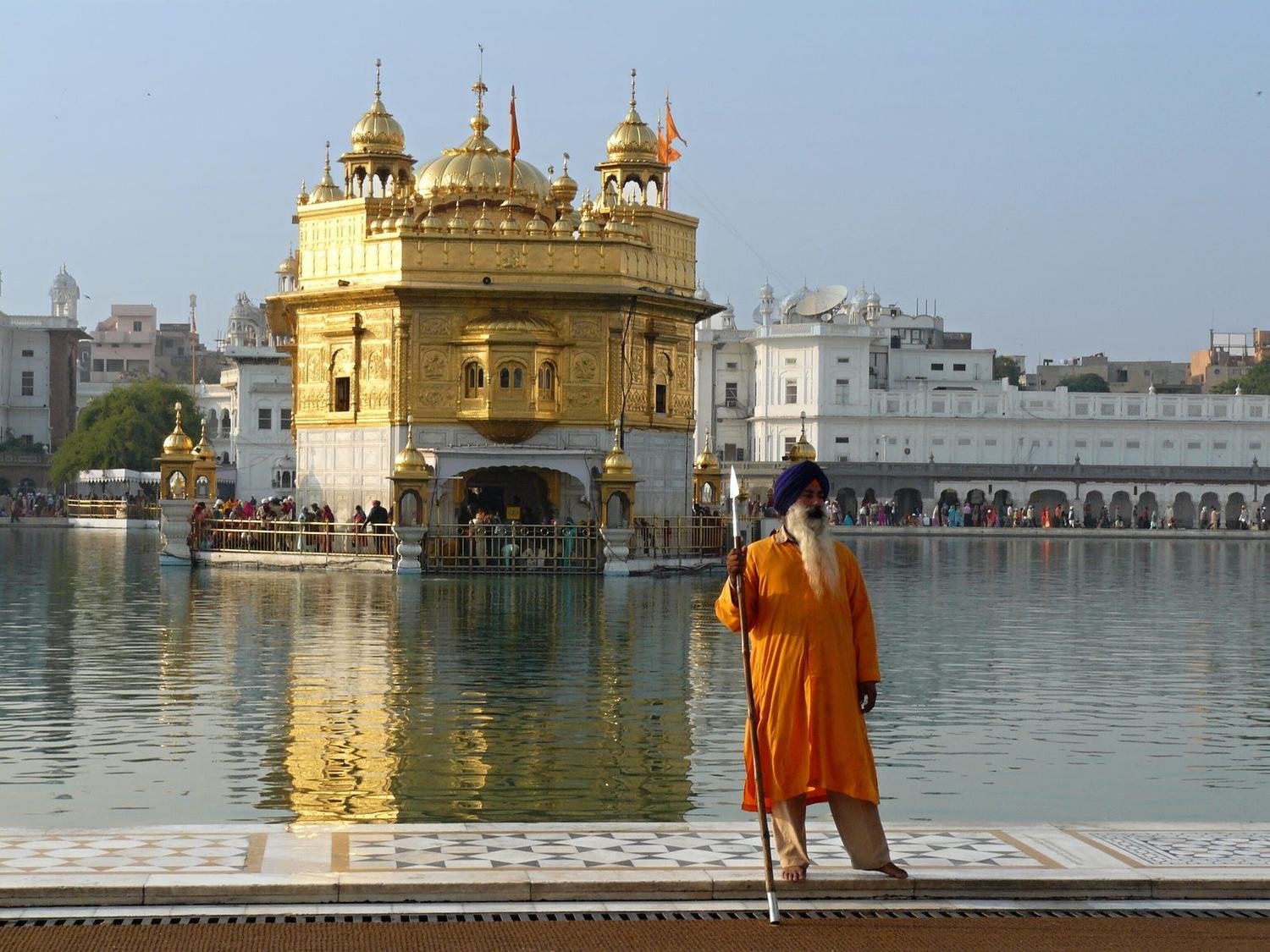
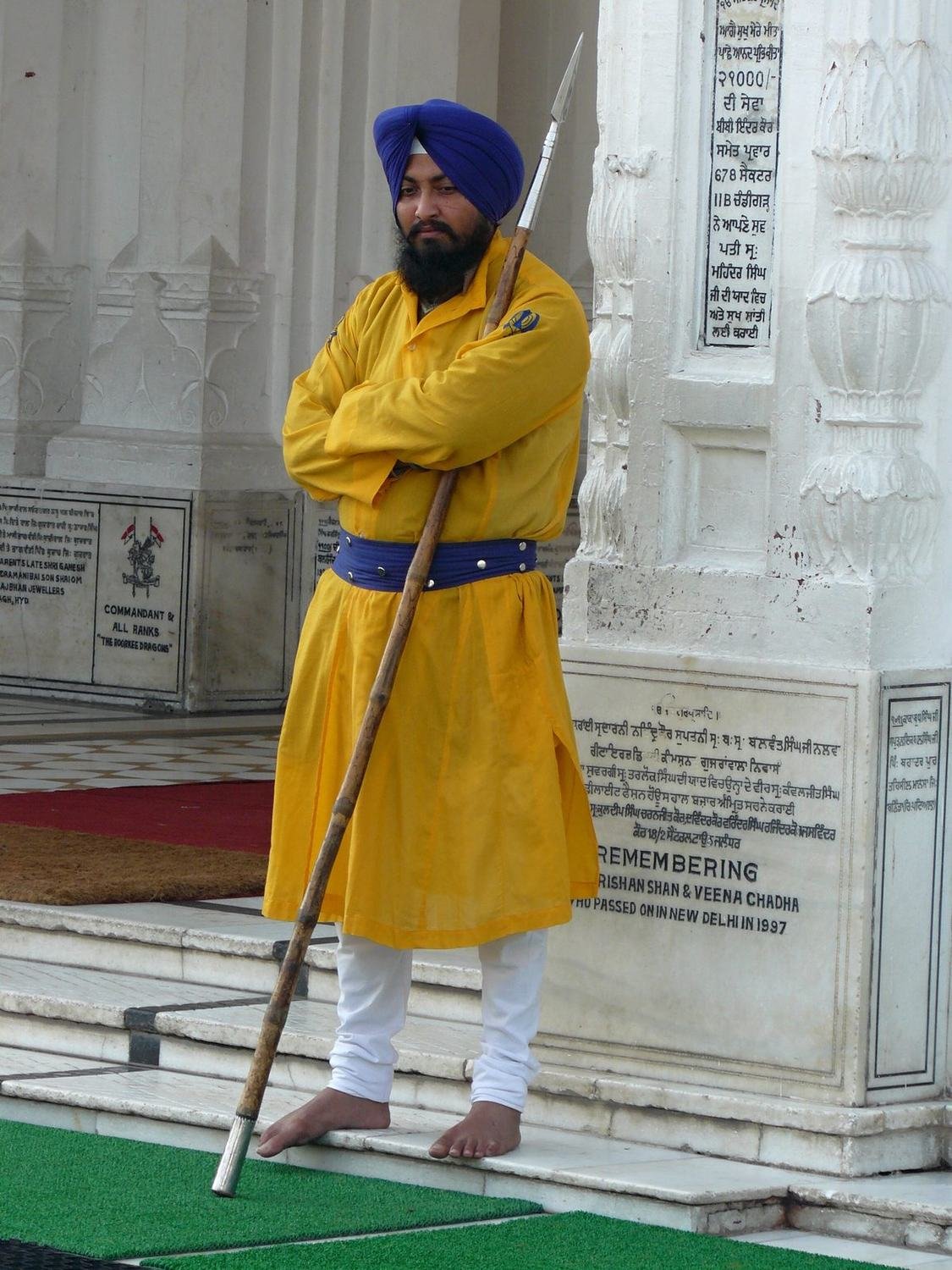
The temple is open twenty-four hours a day and entry is free for everyone. Before entering you take off your shoes, wash your feet and cover your head with a scarf. Around thirty thousand pilgrims come here every day. For many of them the two of us were an attraction too – they wanted to shake our hands and have their photo taken with us. Anyone can eat for free in the langar dining hall. We were given a metal tray, a bowl and a spoon and sat down in rows on the carpet with five hundred other people. Within minutes volunteers served us lentils, handed us chapati flatbreads and sweet rice pudding. We felt part of that vibrant Indian crowd.
Rajasthan
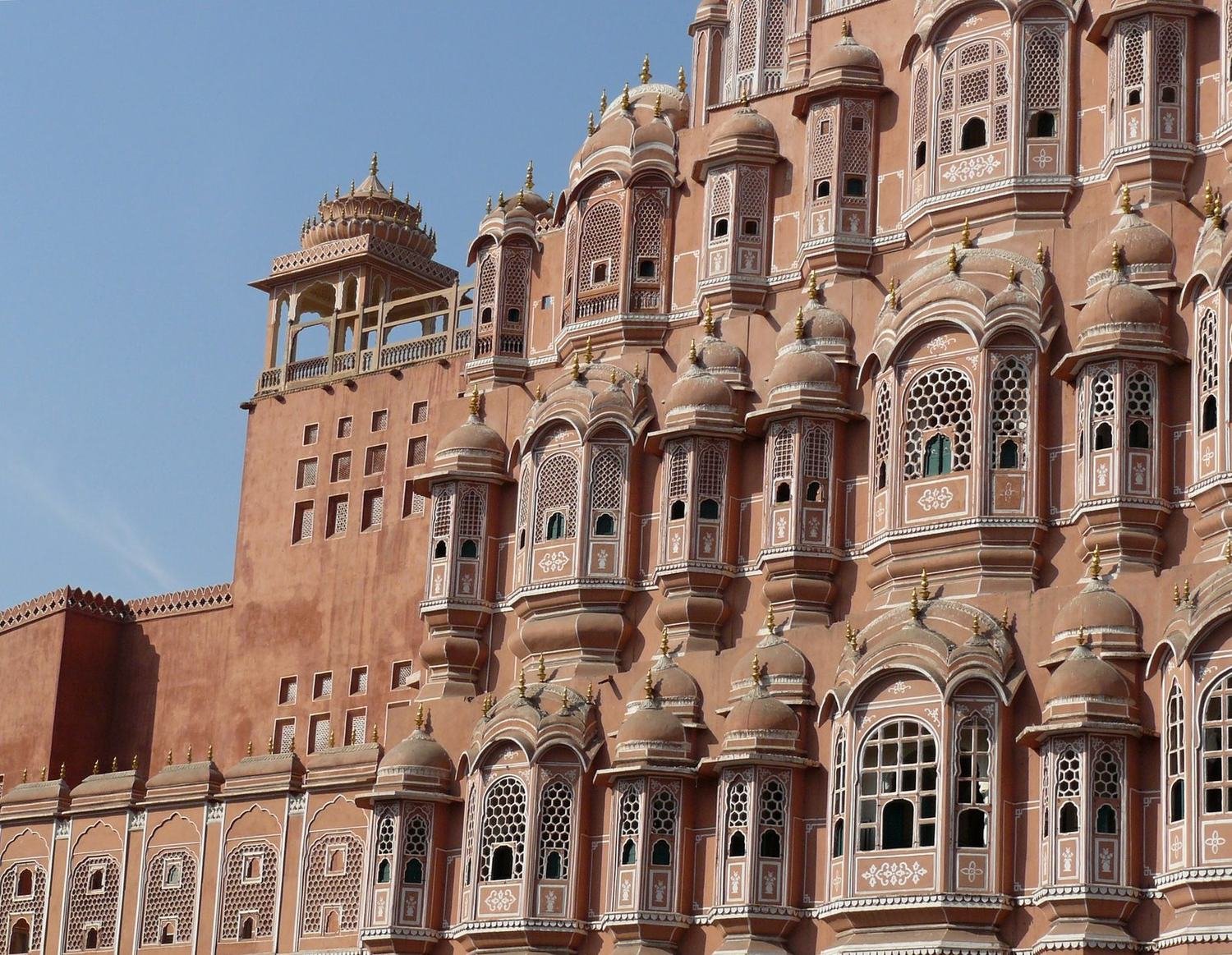
Rajasthan is the land of maharajas, deserts and forts. Every city here has its own colour – Jaipur is pink, Jodhpur blue and Jaisalmer golden. Men wear bright turbans, women skirts and scarves in vivid colours. In Jaipur stands the Hawa Mahal, the Palace of Winds. Its facade has more than nine hundred small windows, behind which the women of the palace could watch life in the street without being seen. From the street it looks like a giant pink honeycomb.
We fell in love with the small town of Bundi. There were hardly any tourists, and so none of the fuss around souvenir stalls. Above the town stands a 16th- and 17th-century palace with murals, and higher still the abandoned Taragarh fort, home to a troop of monkeys. We wandered through the overgrown rooms imagining how magnificent it all once was.
The bus ride from Bundi was an experience. The driver overtook lines of lorries so enthusiastically that oncoming cars often ended up in the ditch. He took every bump in the road as a ski jump and we flew out of our seats. Pushkar is a pilgrimage town by a sacred lake with ghats. The main bazaar is lined with shops selling hippie clothes and jewellery. By the lake fake priests lie in wait for tourists, press flowers into your hand and then want money for a prayer.
Jodhpur lies below the mighty Mehrangarh Fort, which towers on a rock above the city. The old town is painted blue – said to be a positive colour that keeps mosquitoes away. In the morning we walked up the hill to the fort. We enjoyed the audio-guided tour, and from the walls you can see blue rooftops in every direction.
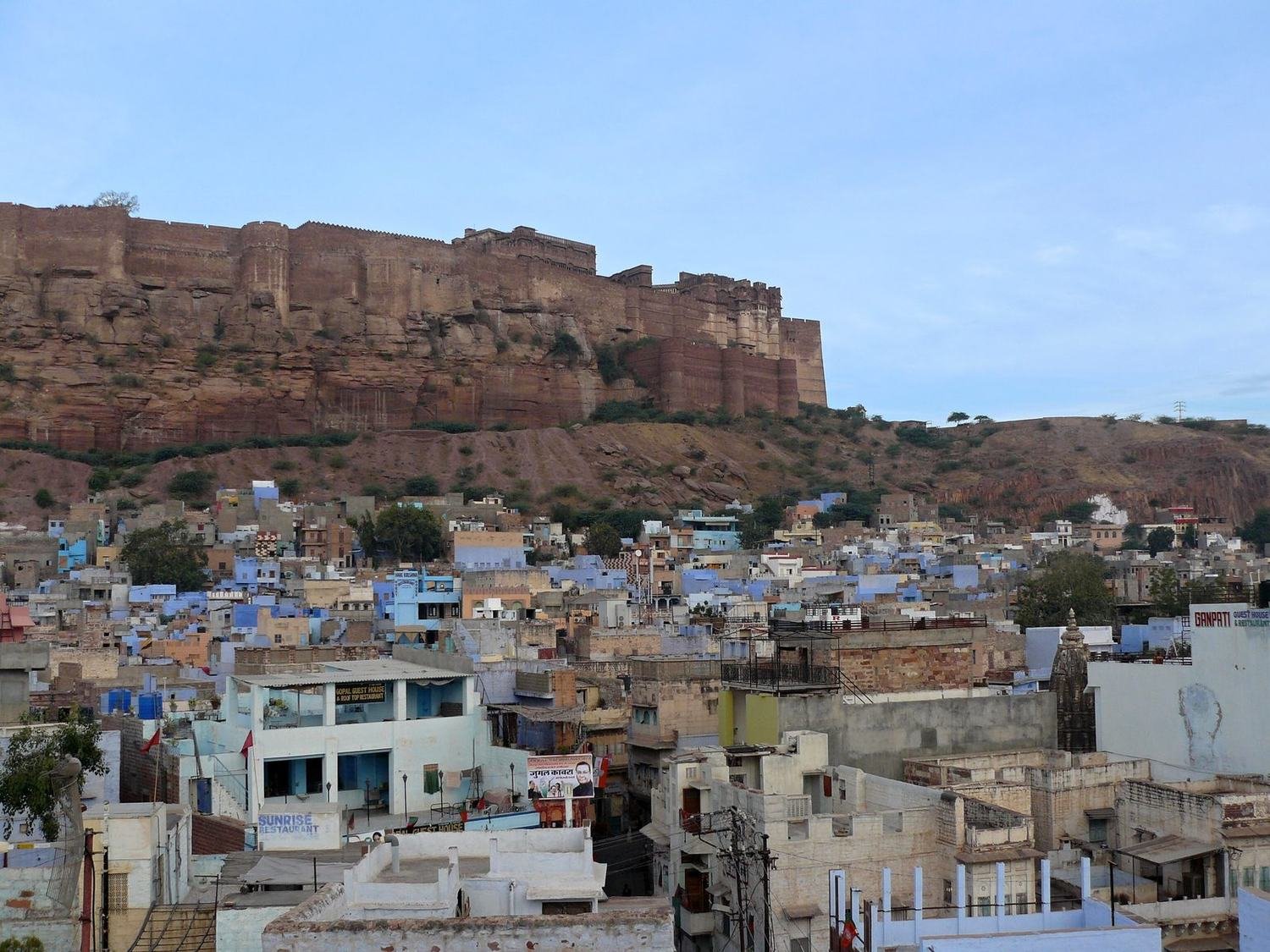
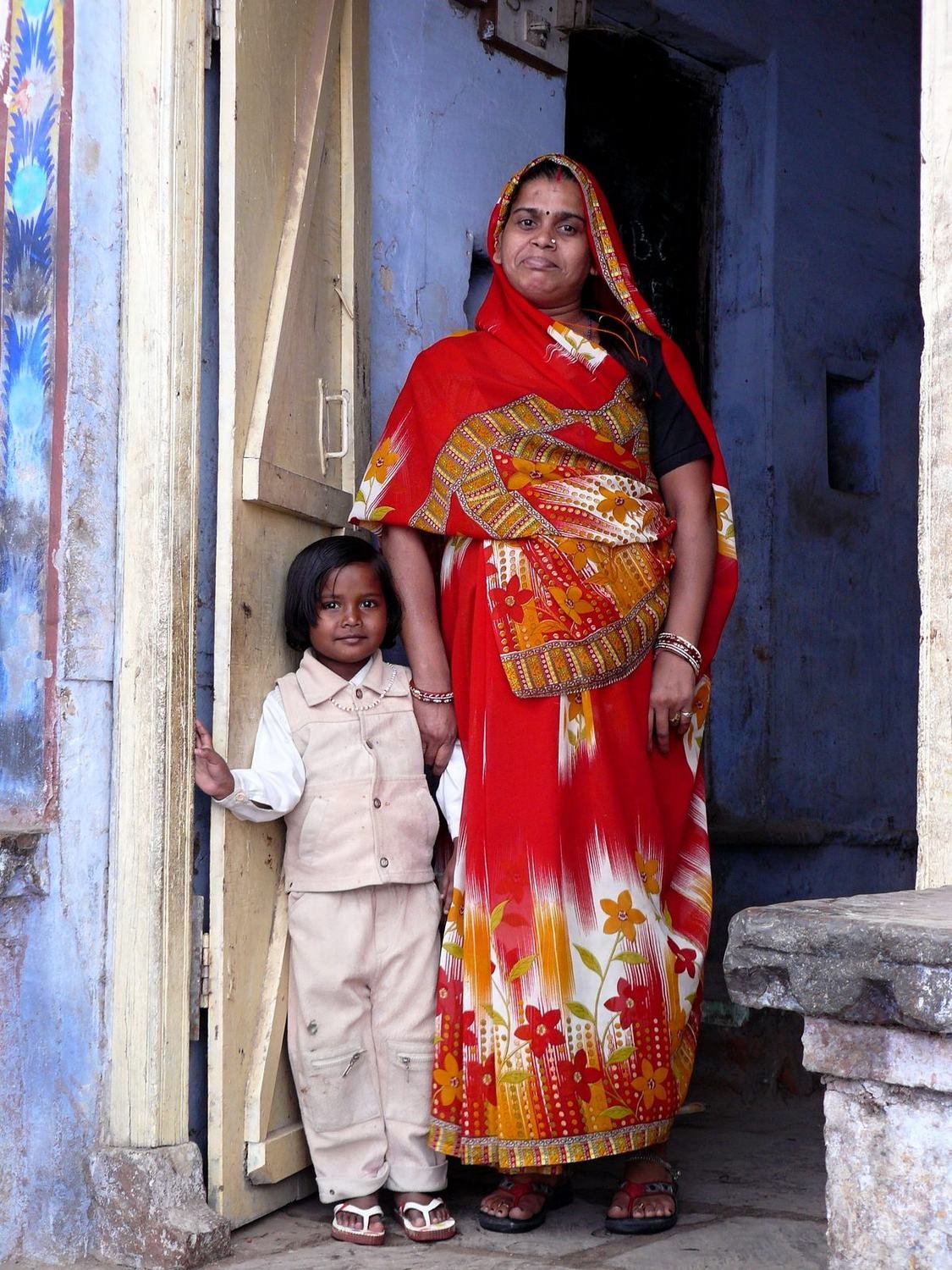
The best thing is to get lost in the blue lanes below the fort. They are narrow, cows, motorbikes and children cross paths in them, and women in bright saris peep out of the doorways.

Jaisalmer stands in the middle of the Thar Desert, close to the border with Pakistan. The yellow sandstone fort rises from the rock and glows golden at sunset. Unlike other forts, people still live inside it.

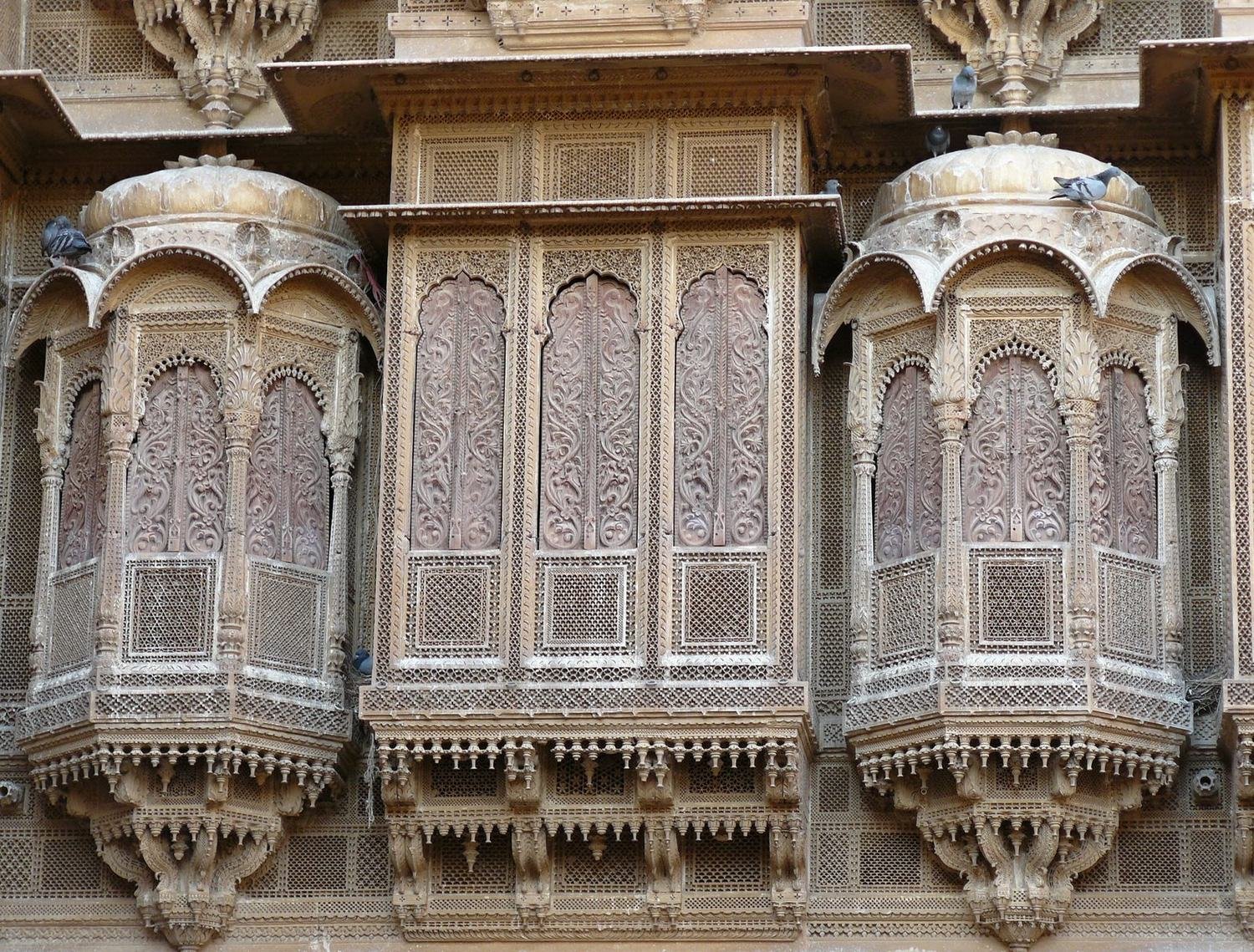
Wealthy merchants built haveli mansions here with carved facades. The sandstone windows and balconies look like lace. Some havelis are museums today, in others you can spend the night.
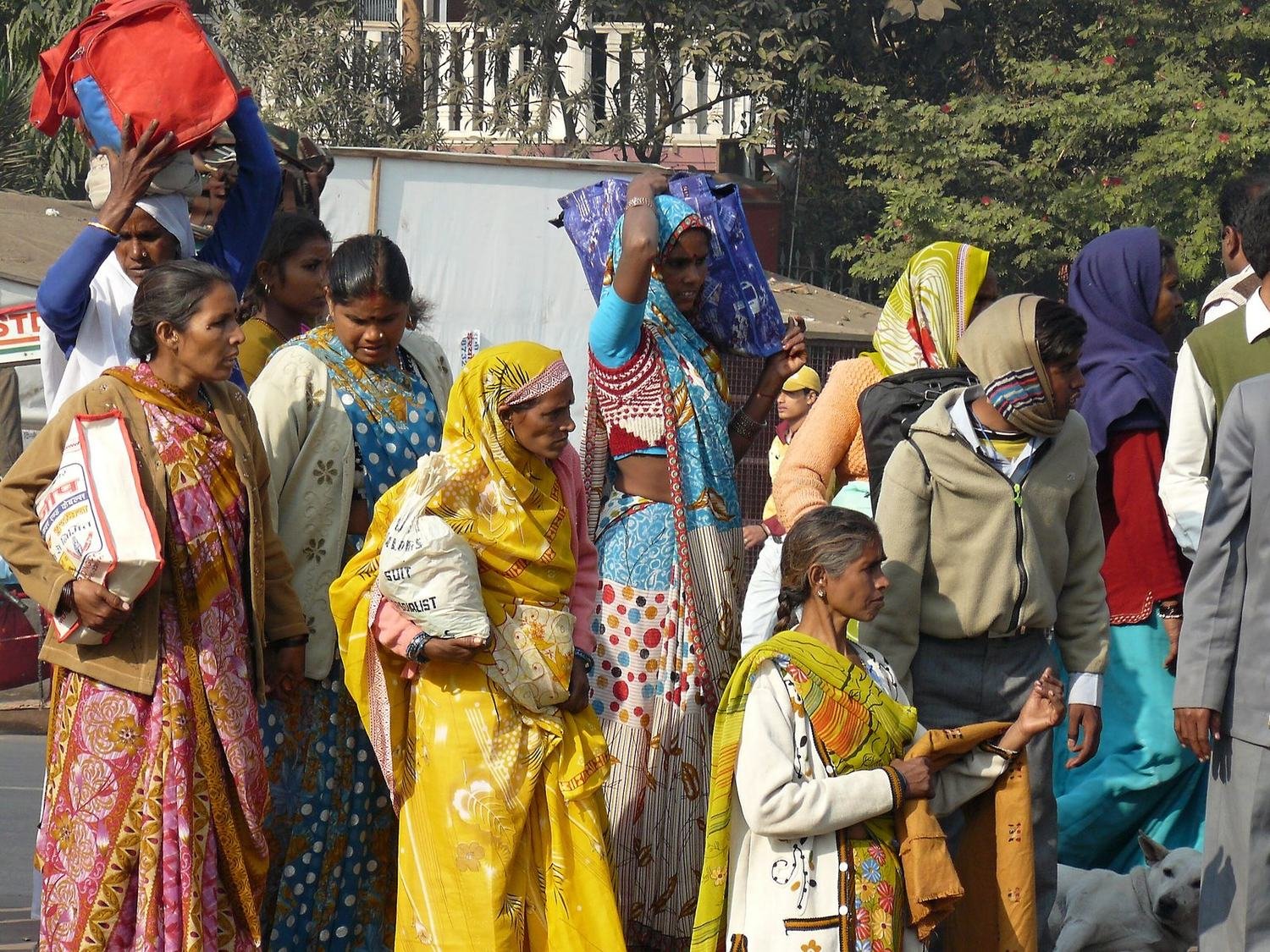
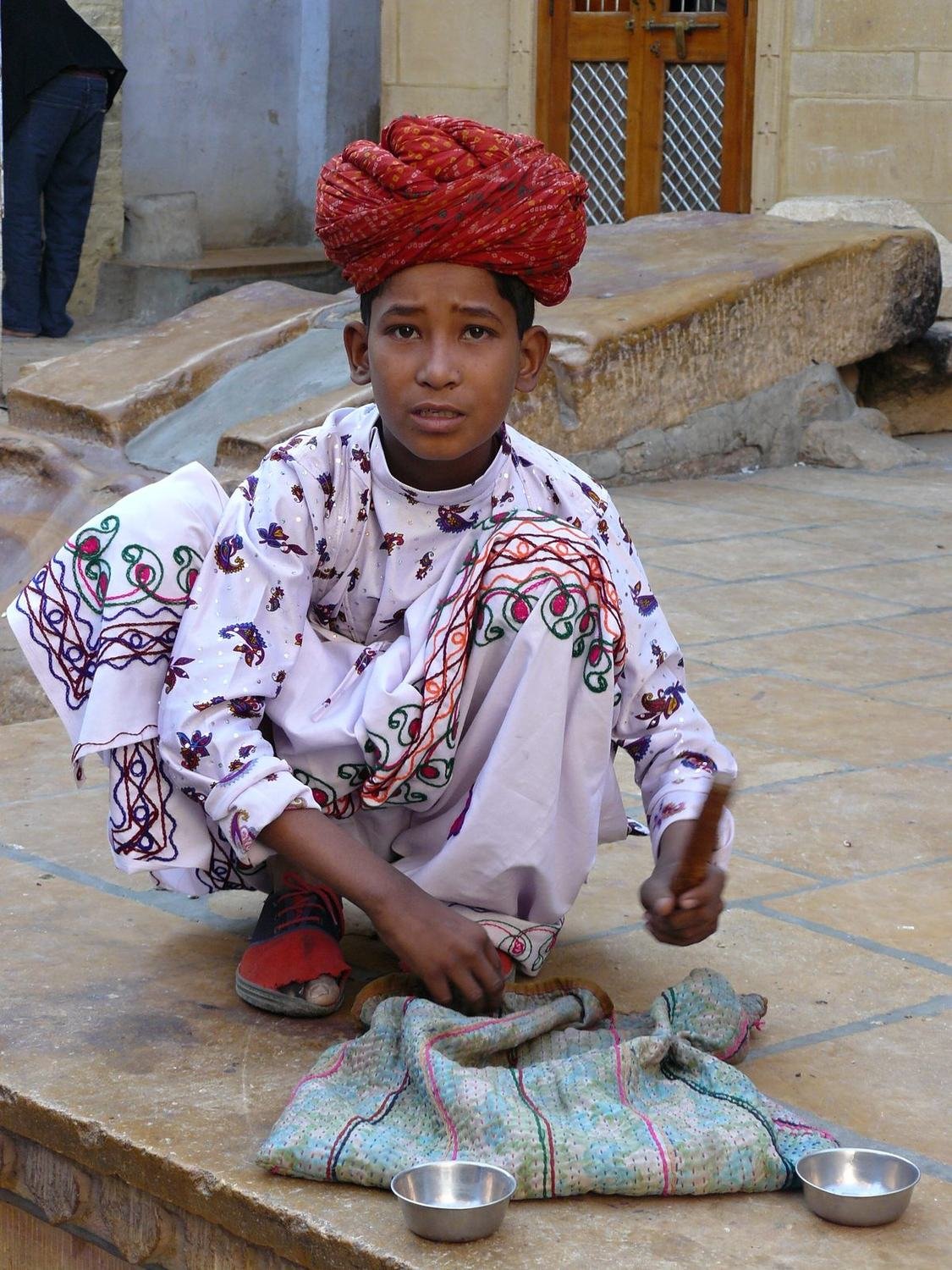
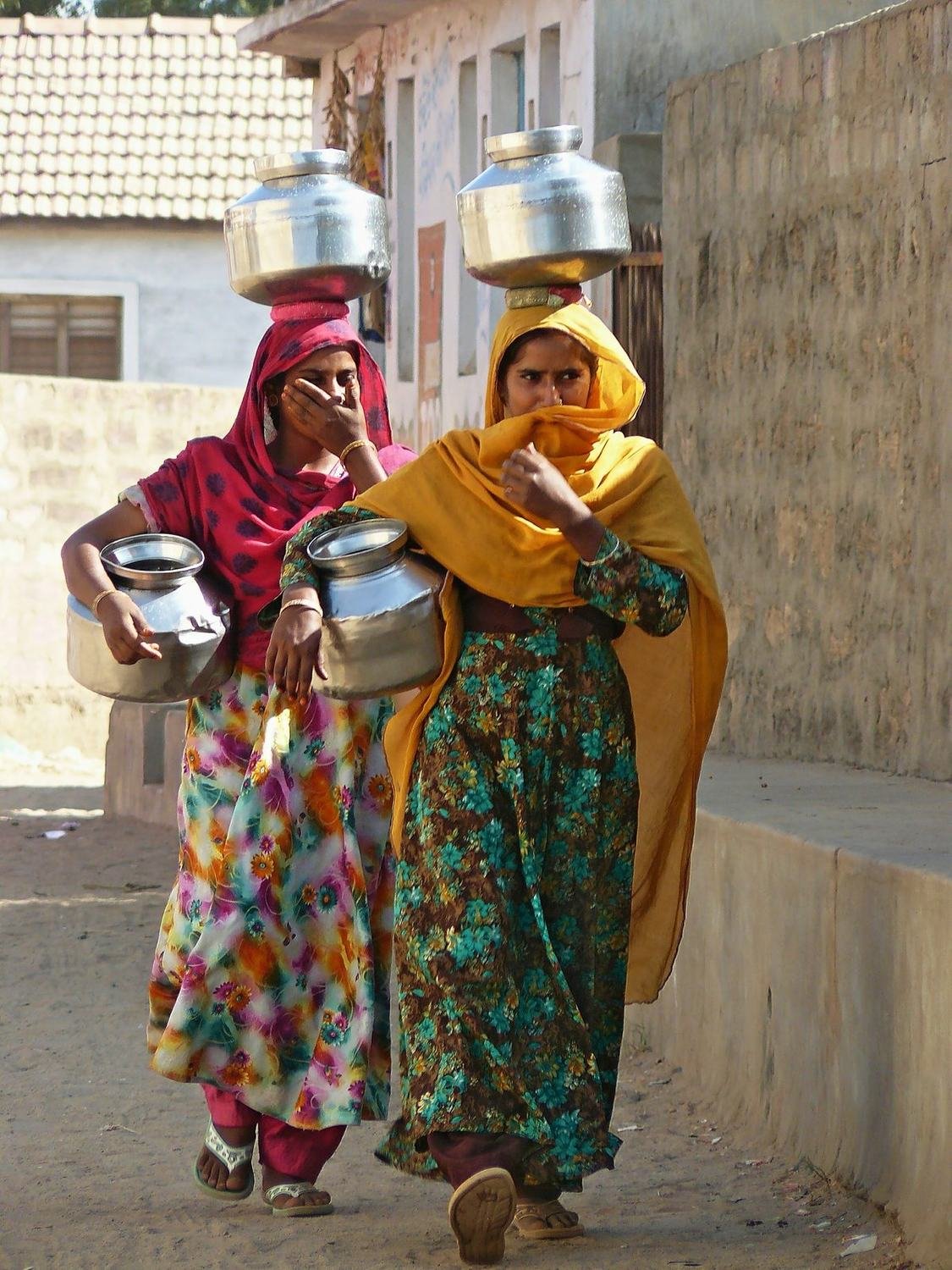
The people of Rajasthan are proud and curious. A boy in a red turban let us photograph him just like that; women carrying water on their heads smiled and walked on. In the countryside people still fetch water from the well.
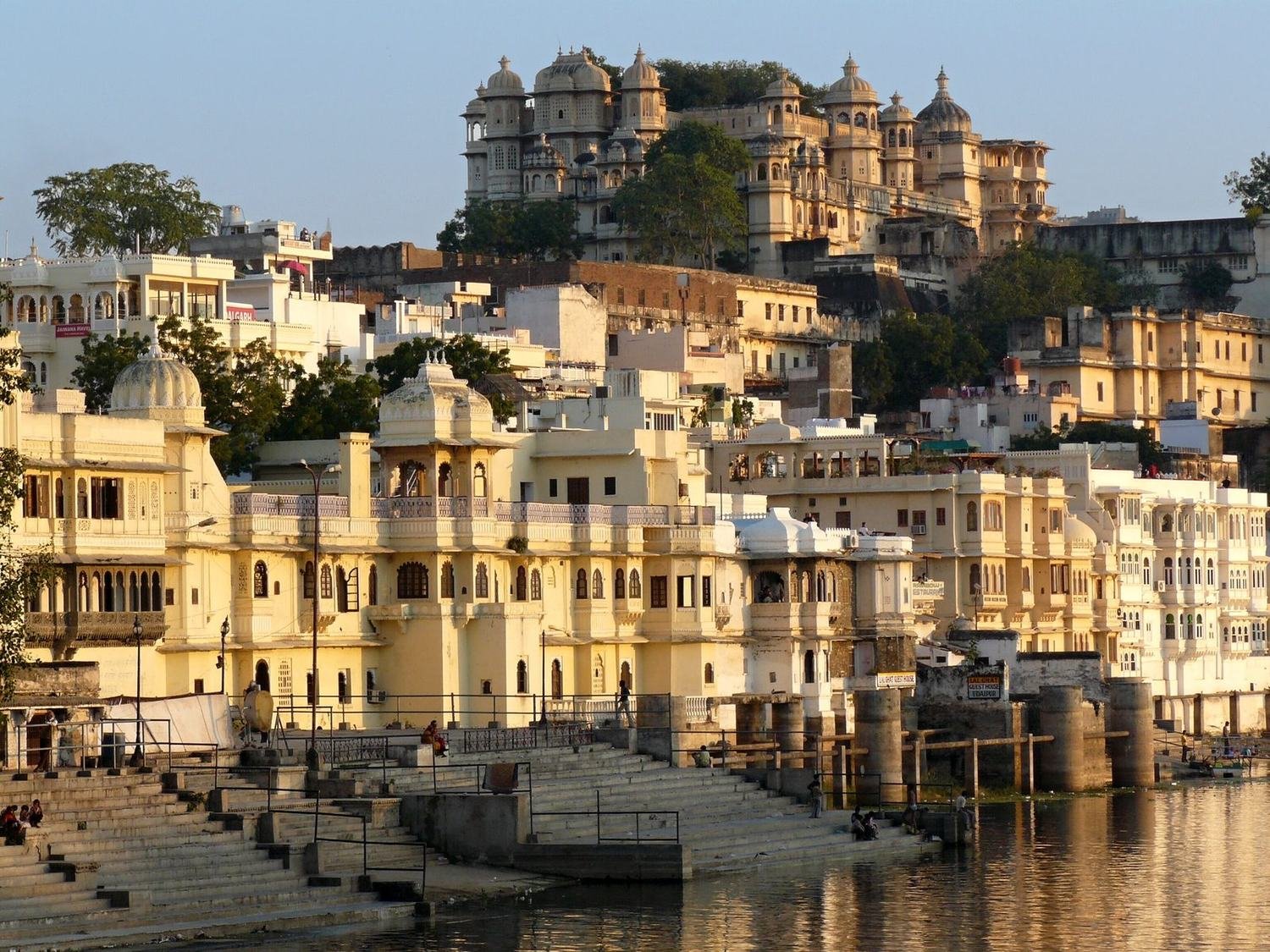
The last city in Rajasthan was Udaipur on Lake Pichola. The City Palace stands above the water and the white Lake Palace in the middle of the lake. In the evening the palaces are reflected on the surface and temple bells can be heard from the ghats. It is the most romantic city in India.
The best and the worst
At the end of the trip we wrote down our five best and five worst experiences. The best included Amritsar, Varanasi, Bundi, Delhi and Rajasthan. The worst were Ahmedabad, a stuffed tomato that laid me up for two days, the toilets at Ajmer station and the night bus to Junagadh. Over time we got used to the constant hassle. If you arrange most things yourself – find your own hotel and buy tickets directly at the station – India is no problem. And once you leave, you will find you miss it. I run an expedition to India – you will find the dates on the page Expeditions.