The mosques and bazaars of Istanbul and balloons over the fairy chimneys of Cappadocia. A short autumn trip between Europe and Asia.
Turkey lies on the border between Europe and Asia, and Istanbul spreads across both continents. In autumn it is no longer so hot and the poplars in Cappadocia turn yellow. The country is bigger than France, and the landscape ranges from the Mediterranean coast through the steppes of Anatolia to the mountains in the east. One trip can only cover a small part.
Istanbul
Istanbul is Turkey's largest city with more than fifteen million inhabitants. The historic centre lies on a peninsula between the Golden Horn and the Sea of Marmara. Most of the sights are close together. The city used to be called Byzantium and Constantinople. For more than sixteen hundred years it was the capital of the Byzantine and then the Ottoman Empire. That is why churches, mosques, palaces and city walls stand side by side.
The Bosphorus divides the city into a European and an Asian part. A ferry across the strait costs a few lira and is the cheapest sightseeing cruise in the city. The Blue Mosque is named after the blue tiles inside. It has six minarets, which was exceptional when it was built in the 17th century. In the evening it is lit up and looks best from the park between it and Hagia Sophia.
You enter the mosque without shoes and women cover their hair. It is closed to tourists during prayers. Inside there are more than twenty thousand hand-painted Iznik tiles.

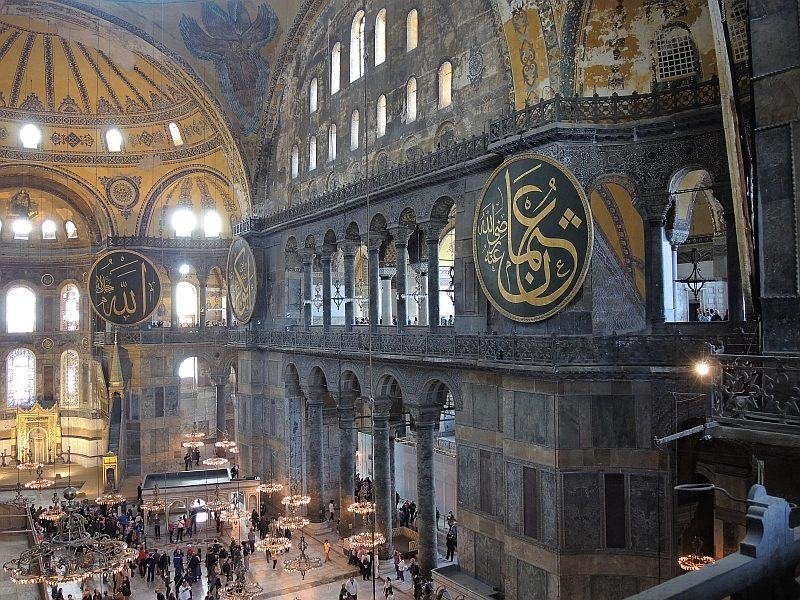
Hagia Sophia was built in the 6th century as a Christian church, then became a mosque, later a museum, and today it is a mosque again. The huge dome inside seems to float. For more than a thousand years it was the largest church in the world. Byzantine mosaics survive on the walls next to giant medallions with Arabic inscriptions.
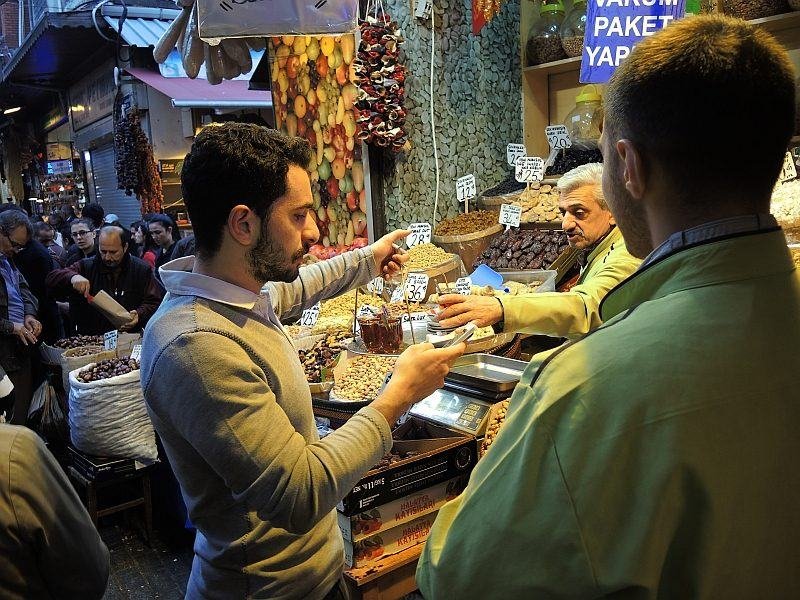
The Egyptian Bazaar is full of spices, dried fruit, teas and sweets. The sellers offer tastings and haggle loudly over prices. The bazaar was built in the 17th century and got its name from the goods that arrived here by ship from Egypt. Not far away is the Grand Bazaar with more than three thousand shops.
Cappadocia
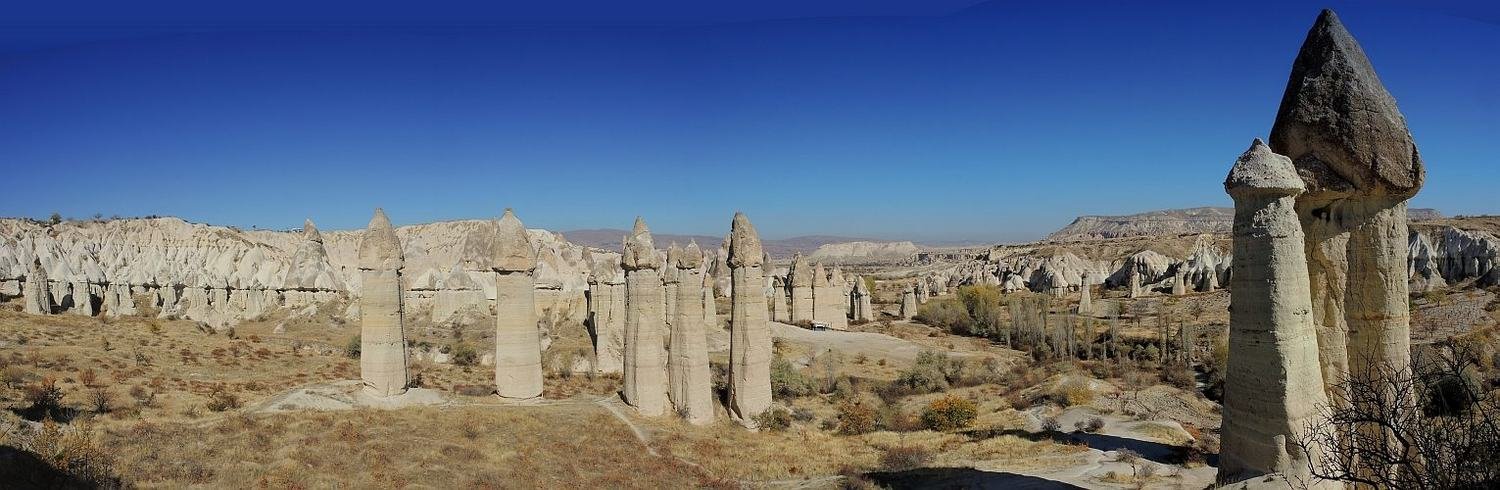
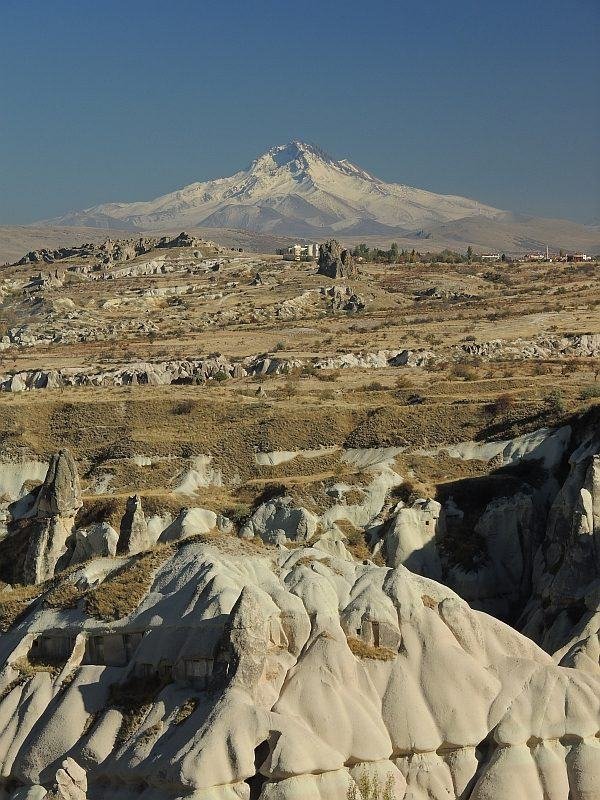
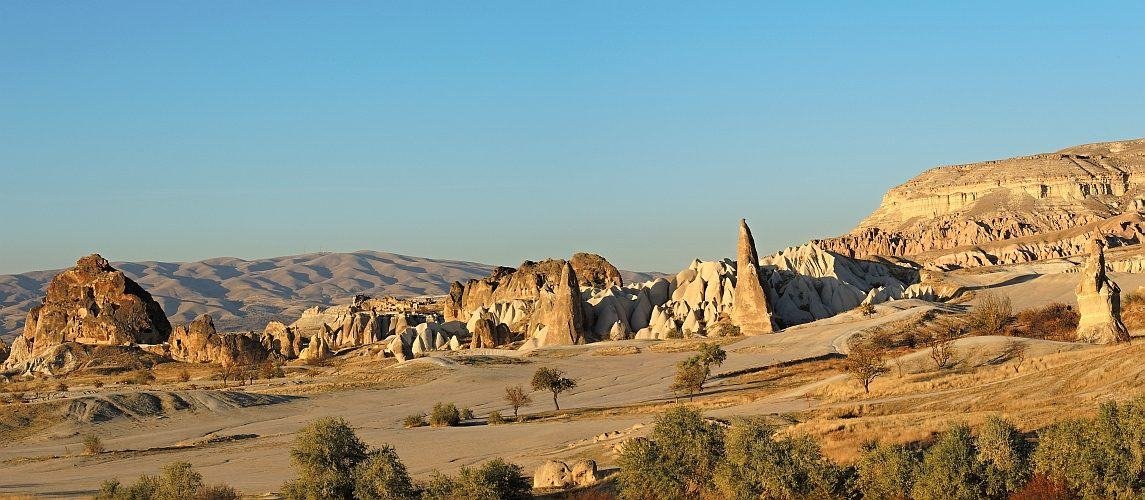
Cappadocia lies in the centre of Turkey. Millions of years ago volcanoes erupted here and covered the landscape with tuff. Erosion then sculpted it into rock chimneys, valleys and caves. Tuff is a soft rock that is easy to carve. The tops of the chimneys are often capped with harder stone that protects the soft rock below from erosion. The locals call them fairy chimneys.
The colours of the rocks change from white through pink to ochre. They are most beautiful at sunset.
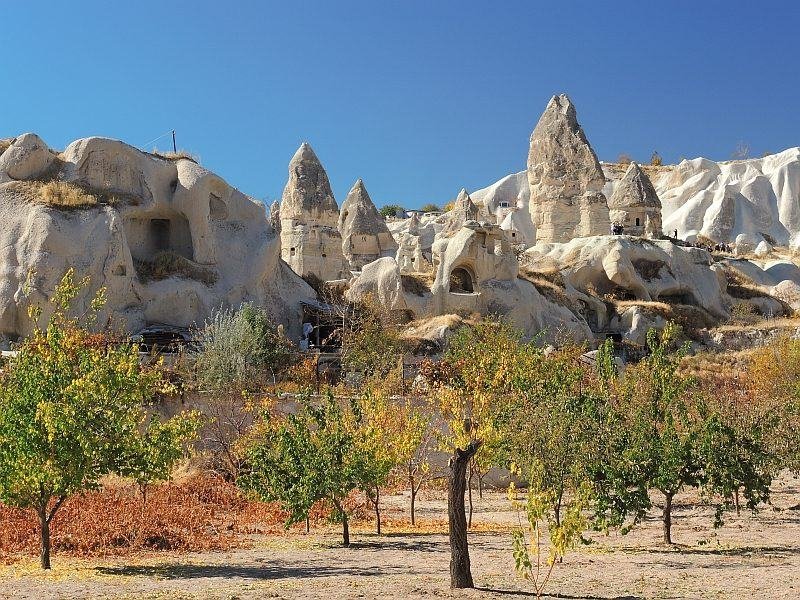
People carved dwellings, churches and entire underground cities into the soft rock. In Göreme there is an open-air museum with rock churches decorated with Byzantine frescoes. The underground cities of Derinkuyu and Kaymaklı have several levels and could hold thousands of people along with their animals. Christians hid in them from raiders.
Cappadocia is famous for its hot-air balloons. At dawn dozens of balloons rise above the valleys. If you do not want to fly, you can photograph them from the viewpoint above Göreme. The balloons take off before sunrise, when the air is calm. In good weather more than a hundred of them can lift off in a single morning. A flight lasts about an hour. From the viewpoints above Göreme you can watch the balloons being inflated in the valleys and gradually rising. You can also photograph them from the streets of the town and from hotel rooftops.

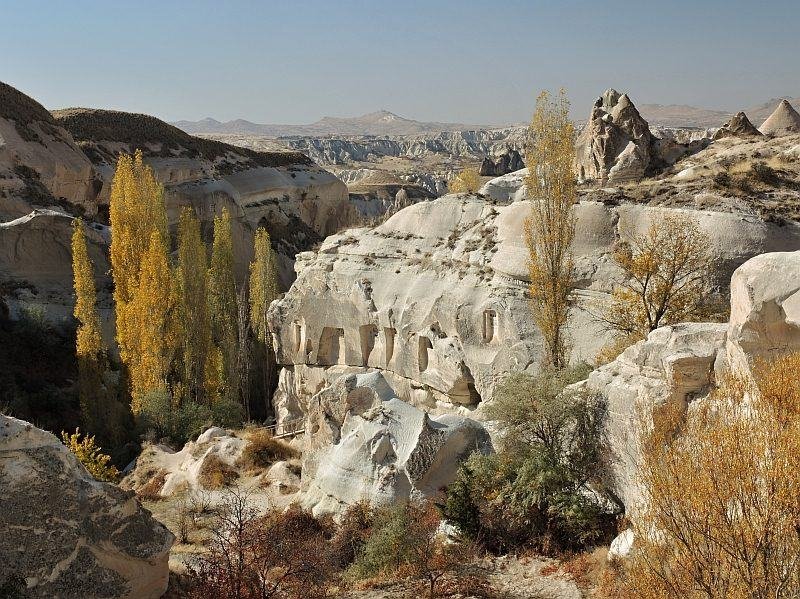
You can walk through the valleys. In October the poplars turn yellow and the rocks take on warm colours. Beyond the town rises Erciyes, a volcano and the highest mountain in Cappadocia. The best known are the Rose and Red valleys, Pigeon Valley and the Ihlara Valley with its rock churches. The trails are easy, but sometimes poorly marked.
Practical tips
You can reach Cappadocia by night bus from Istanbul or fly to Kayseri. Spring and autumn are best for balloons, when the weather is calm. Flights are cancelled in windy conditions. In the cave hotels you can sleep right inside the rock. Nights in October can be cold, so warm clothing comes in handy.