Safari in the Masai Mara, a five-day trek around Mount Kenya, cycling among giraffes at Lake Naivasha and dhow sailing boats in the Lamu archipelago.
If you would like to travel to sub-Saharan Africa, Kenya is the ideal country. What impresses most is its diversity. Besides safaris there are national parks in the mountains, beautiful beaches and coral reefs on the Indian Ocean coast. People are friendly and independent travel is not a big problem. We flew into Nairobi from Prague at two in the morning. At the airport we sorted out our visas and arranged a taxi to a hotel in the centre. Kenya's capital has around three million inhabitants and was only founded at the end of the 19th century, so the buildings are mostly newer and the centre is not historically interesting.
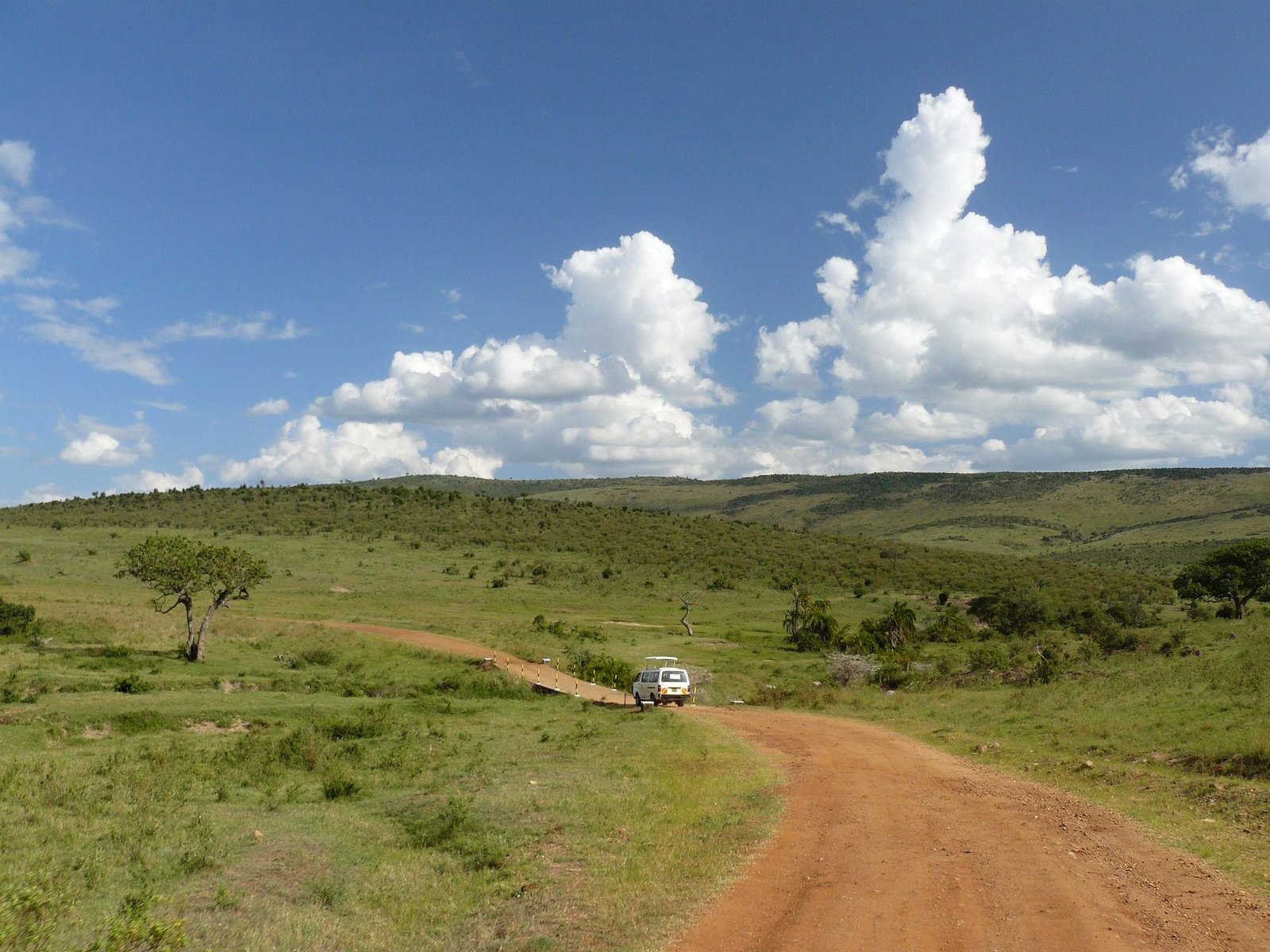
Nairobi also does not have a good reputation, so for us it was mainly a transit point. The very next day we booked a three-day safari in the Masai Mara National Reserve on the border with Tanzania through one of the agencies. The price included transport in a minibus for six people, a driver-guide, food and two nights at a campsite.
The Big Five
Most tourists come to Kenya for the safaris. Which one to choose depends on what you want to see. Some areas can be explored on foot with a guide, but mostly you go by jeep or minibus and sleep in camps outside the parks. We were here in January. The landscape was drier, but the grass was short, so we could see the animals from far away. Another good time is July, when zebras and wildebeest migrate from the neighbouring Serengeti. The park is greener then, but there are more tourists.
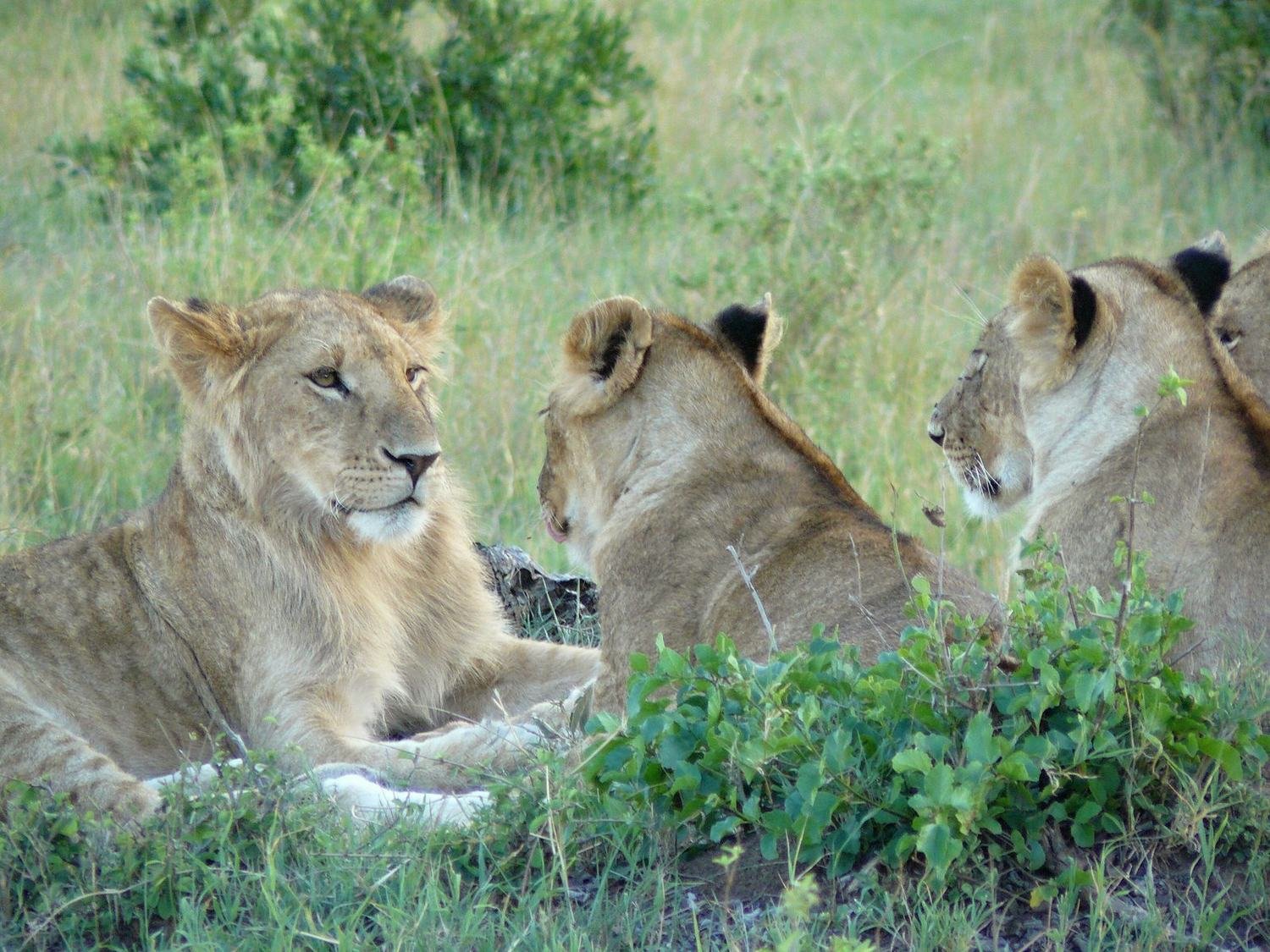
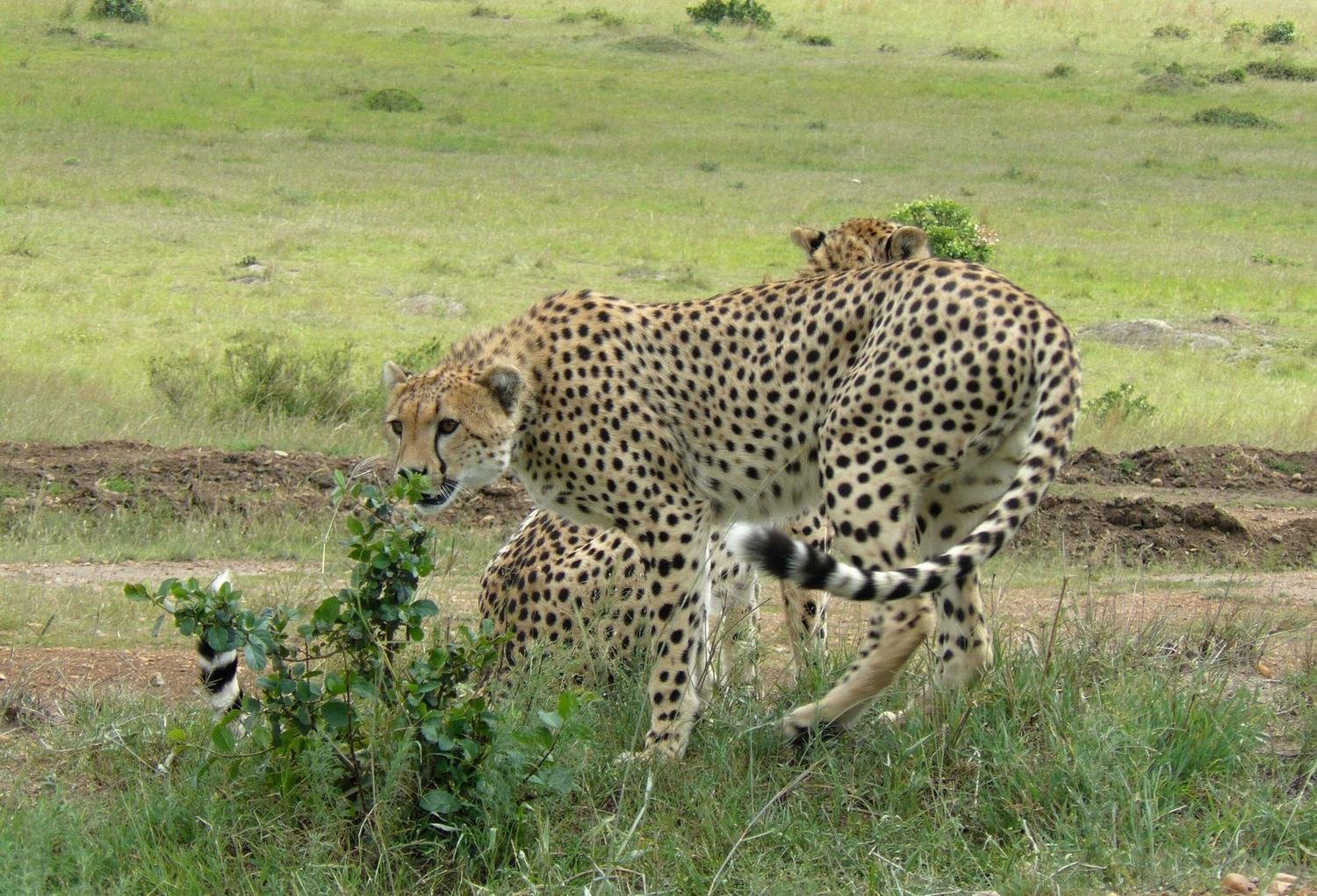
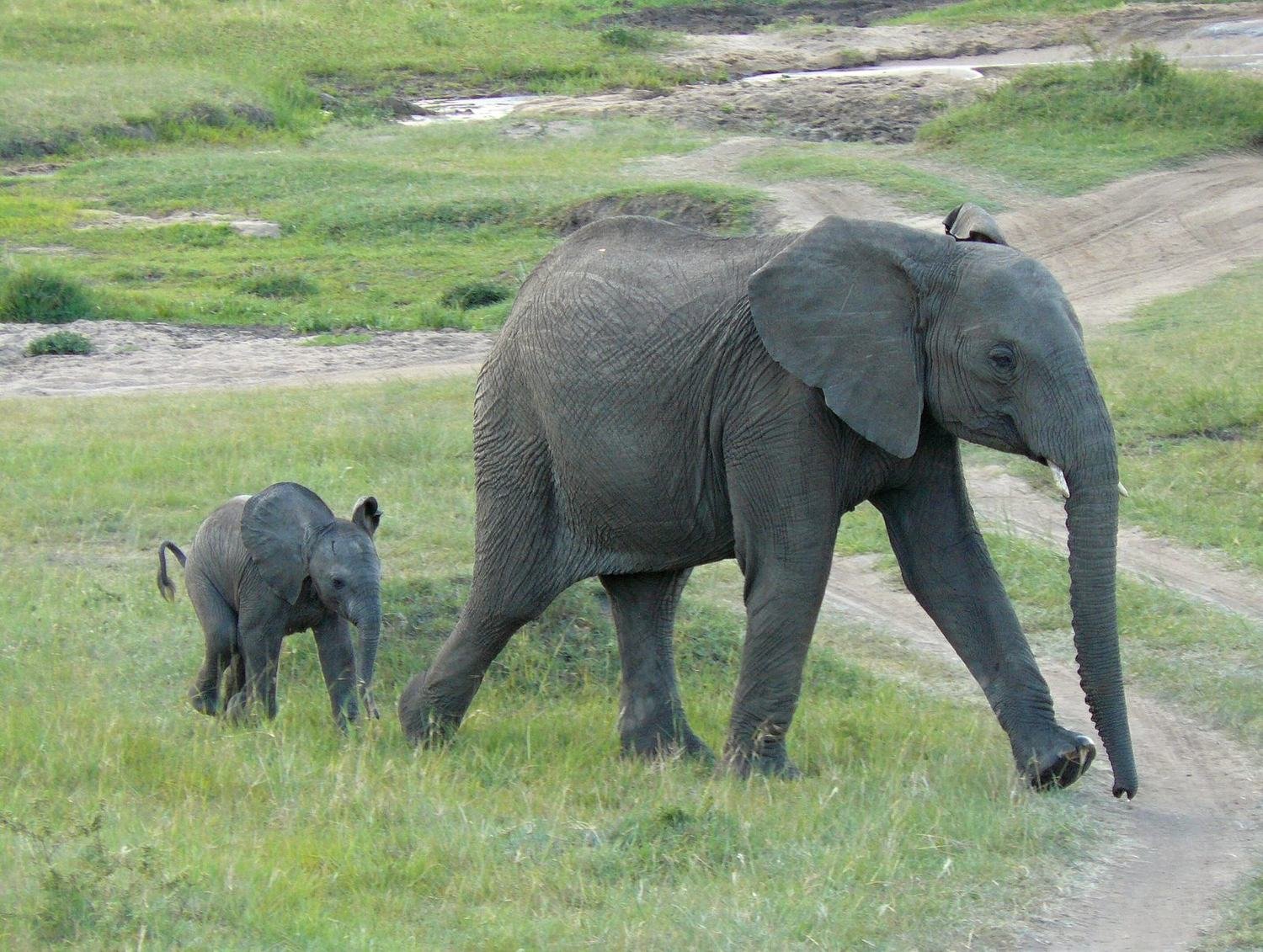
Three days on safari are a real experience. We were lucky and saw the whole “Big Five” – elephant, rhino, buffalo, lion and leopard. Besides them, hippos, crocodiles, zebras and giraffes. One of the strongest moments was meeting a pride of lions. The lionesses lay in the grass close to the track and took no notice of us at all. We watched cheetahs hunting – first they crept forward, then a short sprint and it was over.
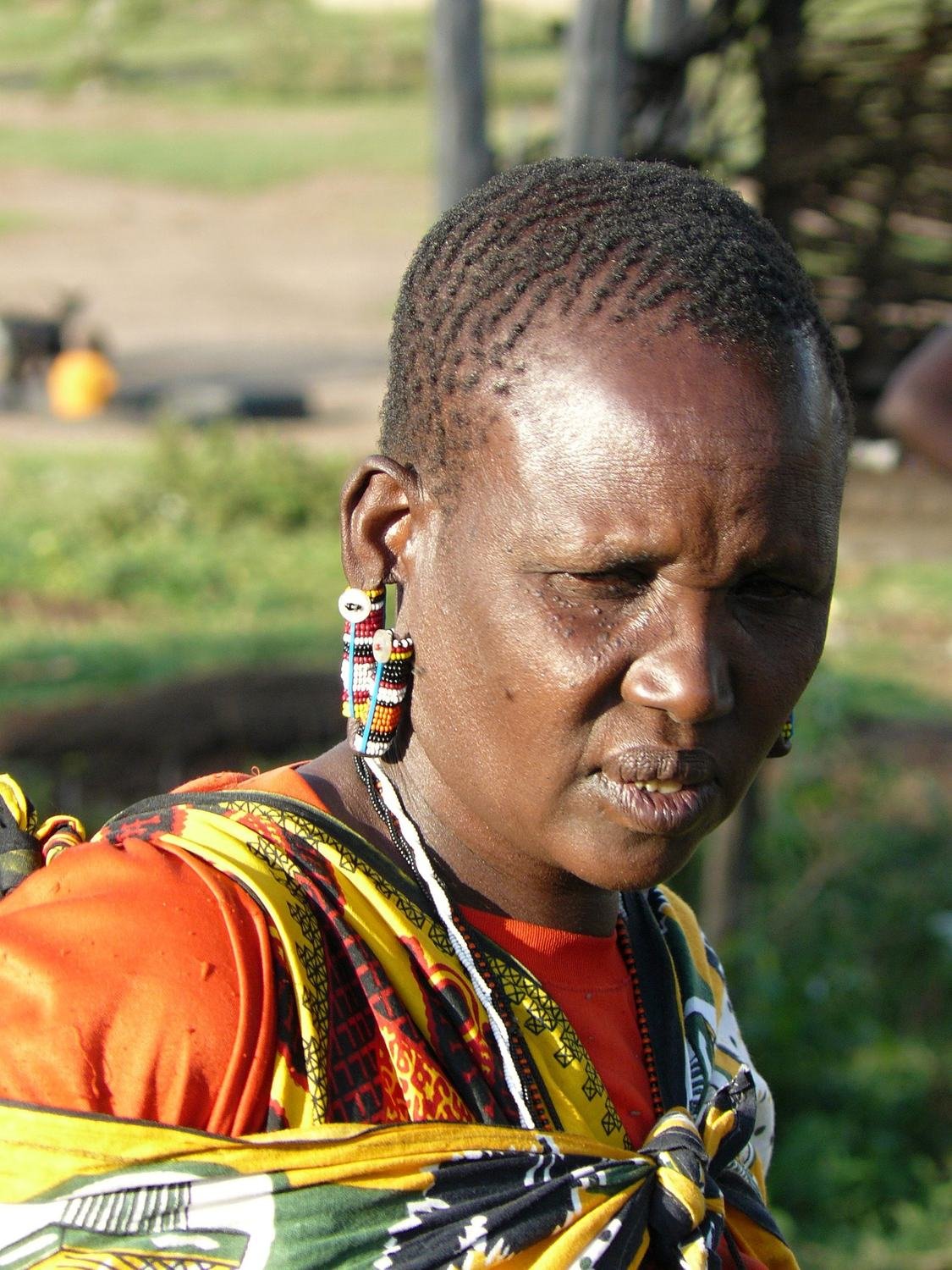
Next to our camp was a village of the Maasai, Kenya's best-known tribe. They showed us their mud huts and performed a dance in which the warriors leap high into the air.
Up into the mountains
On the way back from the safari we stopped in Nairobi for a day and bought supplies for a five-day trek. From the station we took a matatu minibus for about four hours to the small town of Chogoria. This is where the Chogoria–Sirimon trek across Mount Kenya National Park begins. On the first day the route leads through rainforest. After about fifteen kilometres we reached the park gate at 2,950 metres. There are a few huts, but you can also camp in a meadow with a view of the Mount Kenya massif.
In the morning we paid the park fee and set off for Minto's Hut past Lake Ellis. The trail crosses open plains and moorland, and there is still plenty of water in the streams. We slept by a beautiful lake.
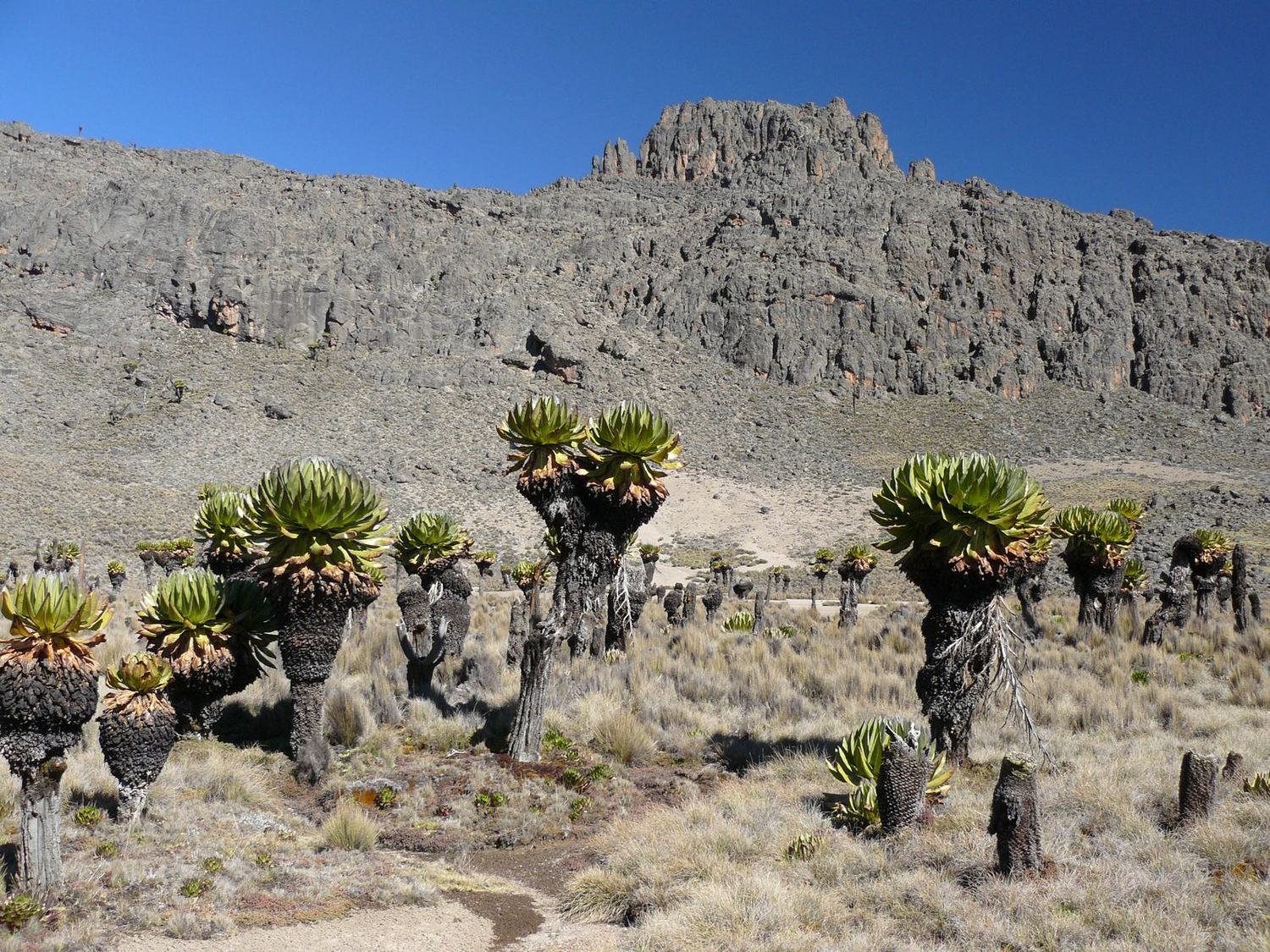
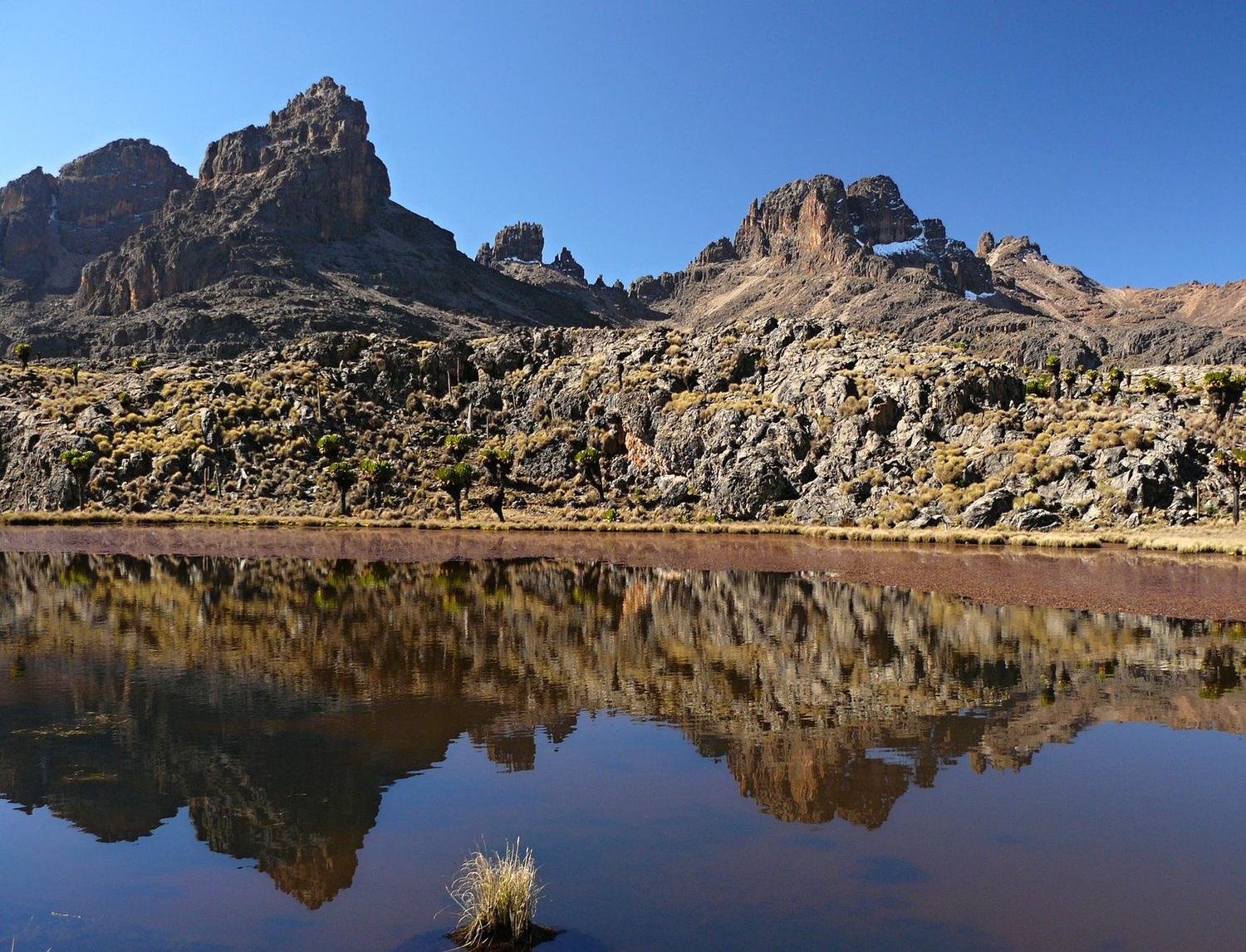
The landscape changed with altitude. Only dusty paths and stones were left, but giant lobelias and groundsels grew here. Some are as tall as a person and look like they are from another planet. Over the Simba Col pass at 4,600 metres we reached Shipton's Hut. This is where climbers set off for the summits. At sunset we watched the surrounding peaks and glaciers.
We descended along the Sirimon route past Old Moses Hut. For two days we walked through moorland and forest, waded streams and finally passed through villages. In all that time we met only a few hikers. Children in the villages greeted us with joyful shouts of “jambo”.
Safari by mountain bike
If you want to meet giraffes and zebras while cycling, head to Lake Naivasha, about a hundred kilometres north-west of Nairobi. There are several campsites on the southern shore. We pitched our tent at Fisherman's Camp, watched curiously by marabou storks, vervet monkeys and colobus monkeys. The lake shores are covered with short grass and acacias. Hippos, flamingos and lots of other birds live here. It is worth staying at least three days just to watch what goes on around the camp.
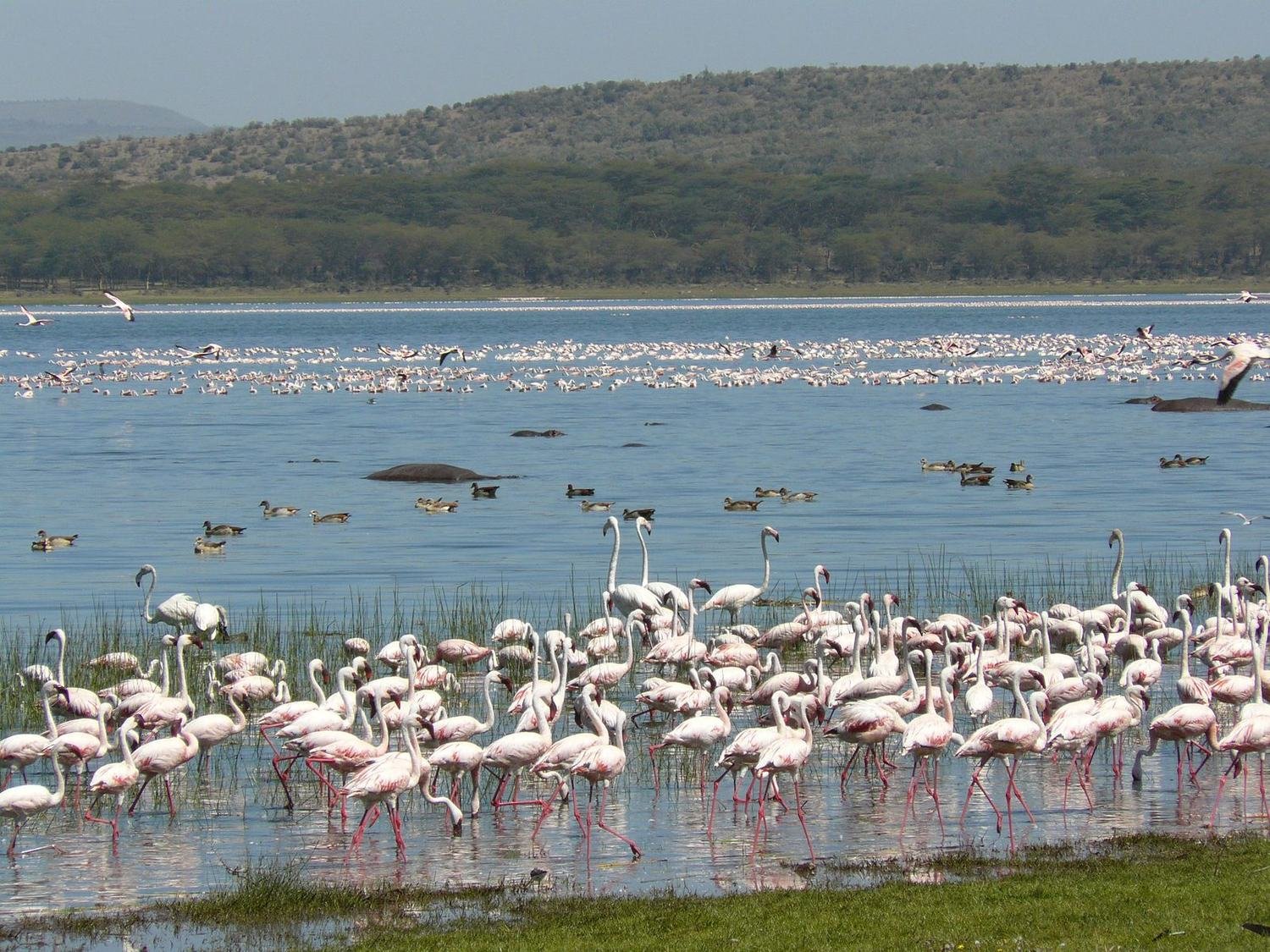
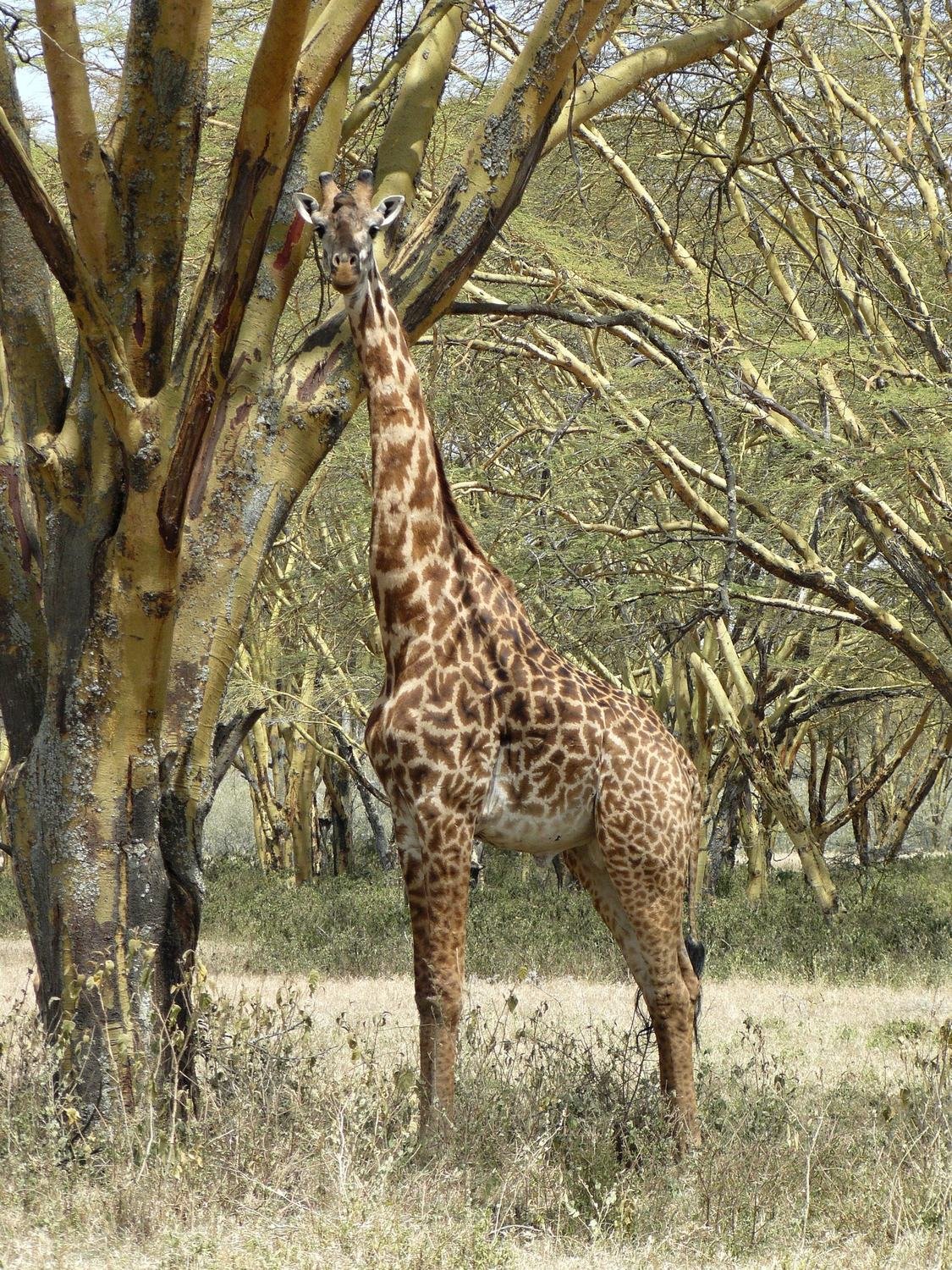
On hired bikes we rode into an acacia forest full of giraffes and zebras. Seeing animals up close without sitting in a car is a completely different experience from a safari. The next day we went to Hell's Gate National Park. There are no predators, so you can explore it by bike. In the heat the full-day trip was quite demanding. The reward was baboons, ostriches, zebras, giraffes and tall cliffs in warm colours.
The coast
From Nairobi we took the night train to Mombasa, Kenya's second-largest city. Unlike Nairobi it has a rich history, and African, Arab and Indian cultures mix here. A mosque stands right next to a church and a little further on there are Hindu temples. We continued along the coast to Watamu with its beaches and coral reefs. We spent a day resting and snorkelling and then took a night bus all the way to the north-eastern tip of Kenya, to the Lamu archipelago.
You reach the largest island by a short boat ride. Even getting on was an adrenaline rush – people pushed past each other, the boat was overloaded and barely moved.
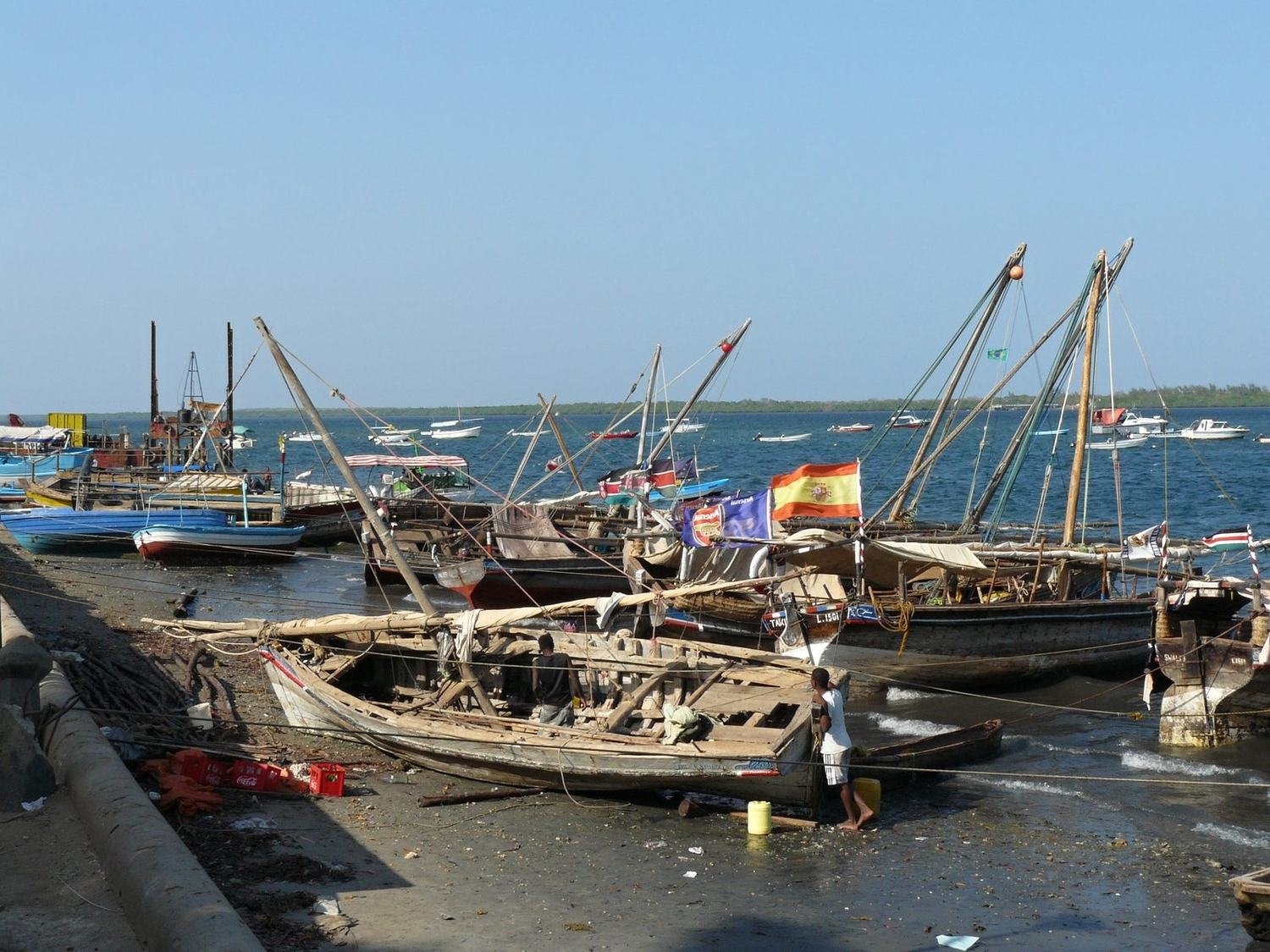
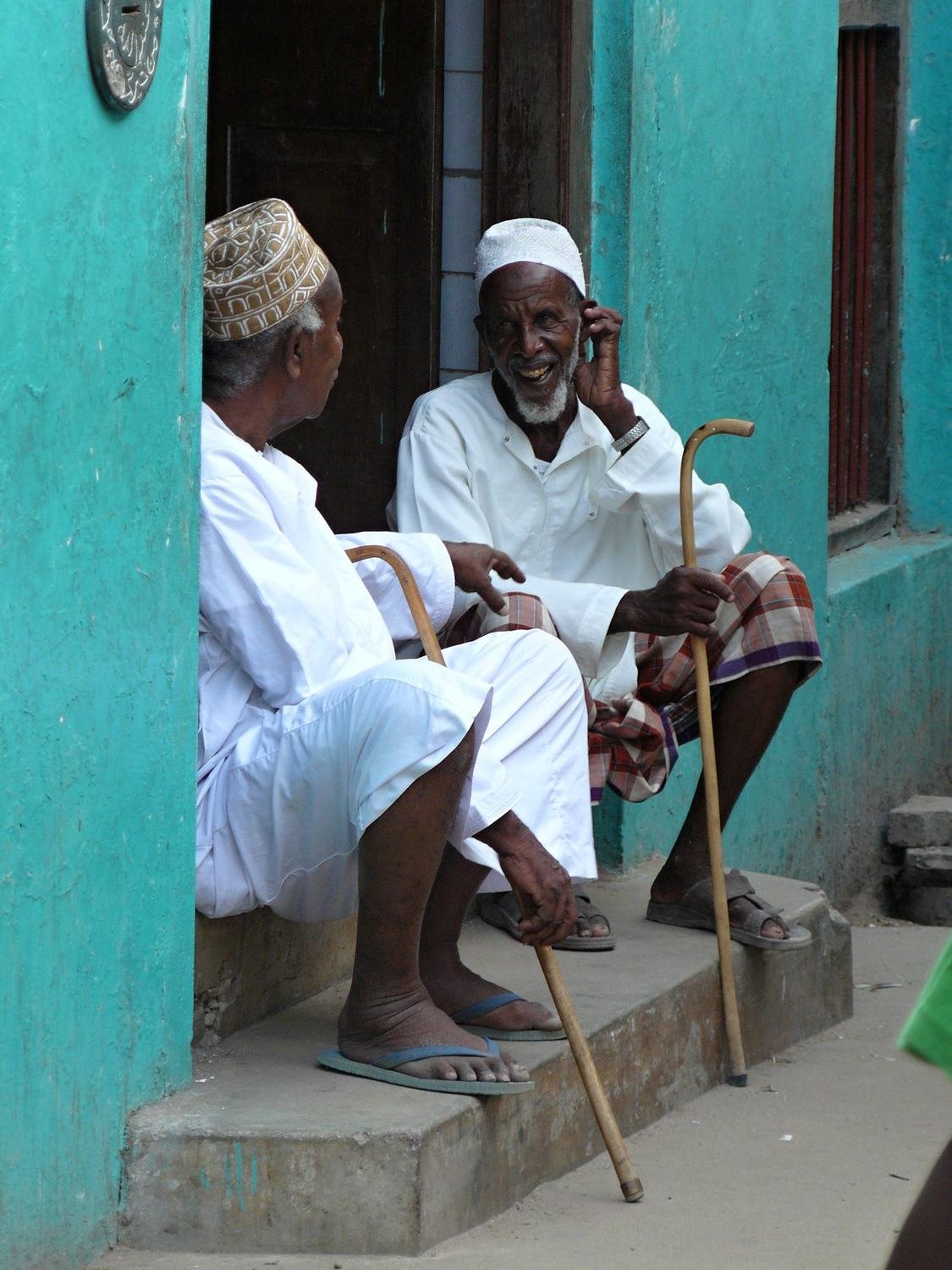
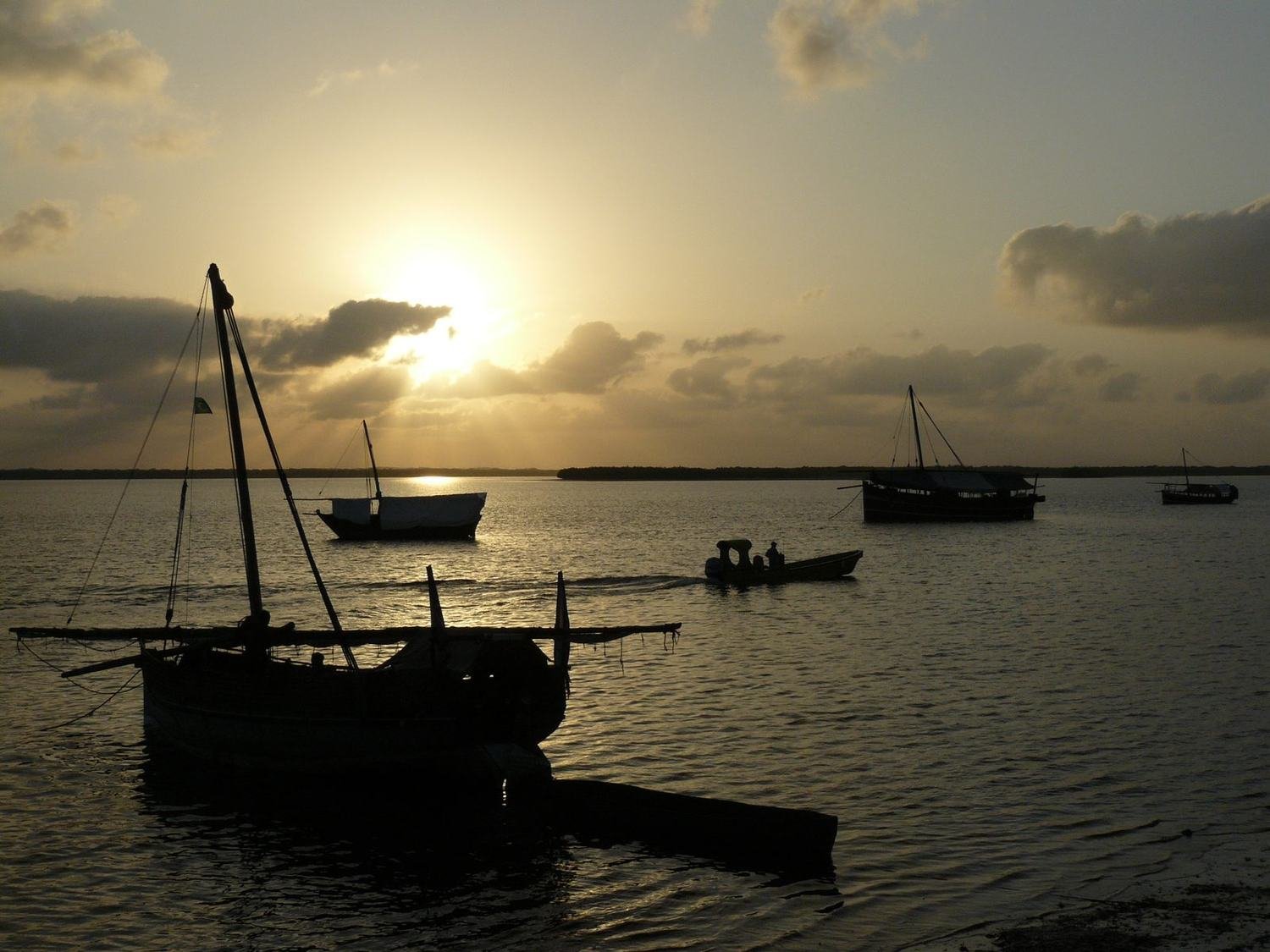
Lamu is surrounded by mangroves, beaches and coral reefs. But what makes it special is the local culture and architecture. The Swahili people live here and the town feels like a medieval Arab town. Instead of cars, donkeys with loads trot through the narrow lanes. We arranged a trip on a dhow sailing boat with a local captain. We left the harbour under engine and came back with the wind. We felt like seafarers from a few centuries ago.
Hakuna matata
Kenya is an incredibly diverse country. There is a lot to see in a relatively small area and it often seems as if time has stood still. As the locals say: “hakuna matata” – no problem, there is plenty of time for everything. Accommodation, transport and food are cheap. What raises the budget are the national park fees, which cost 30 to 50 dollars a day. Amboseli and Tsavo parks, Lake Nakuru, Mount Elgon, the Kakamega rainforest and Lake Victoria are also worth seeing.