From Buenos Aires via Mendoza and its Malbec wines to the foot of the highest mountain in the Americas, and on north to canyons where the rocks show every colour.
We flew into Argentina at the end of March from New Zealand. The journey from the airport to Buenos Aires was our first Spanish lesson – instead of a taxi we tried public transport and reached the hostel after more than two hours. The capital has around thirteen million inhabitants, but a surprisingly small international airport. The next day we took the metro to the Plaza de Mayo in the centre. We looked at the cathedral and the Casa Rosada presidential palace, from whose balcony the Peróns once addressed the crowds. But the highlight of the day was a proper beef steak for lunch.
Every Thursday the mothers of those who disappeared under the military dictatorship gather on the square. Buenos Aires feels European, with wide boulevards and cafés. Compared with the airport, the Retiro bus terminal is huge. Each of the dozens of bus companies has its own ticket office, so finding the best price takes a lot of running around. We had had enough of big cities, so we soon left for Mendoza, a thousand kilometres to the west.
Below Aconcagua
From Mendoza we went to Aconcagua, the highest mountain in the Americas at 6,962 metres. The bus dropped us at the settlement of Puente del Inca at about 2,700 metres. A natural bridge spans the river here, formed by minerals deposited from hot springs, which is why it glows yellow, rust and orange.

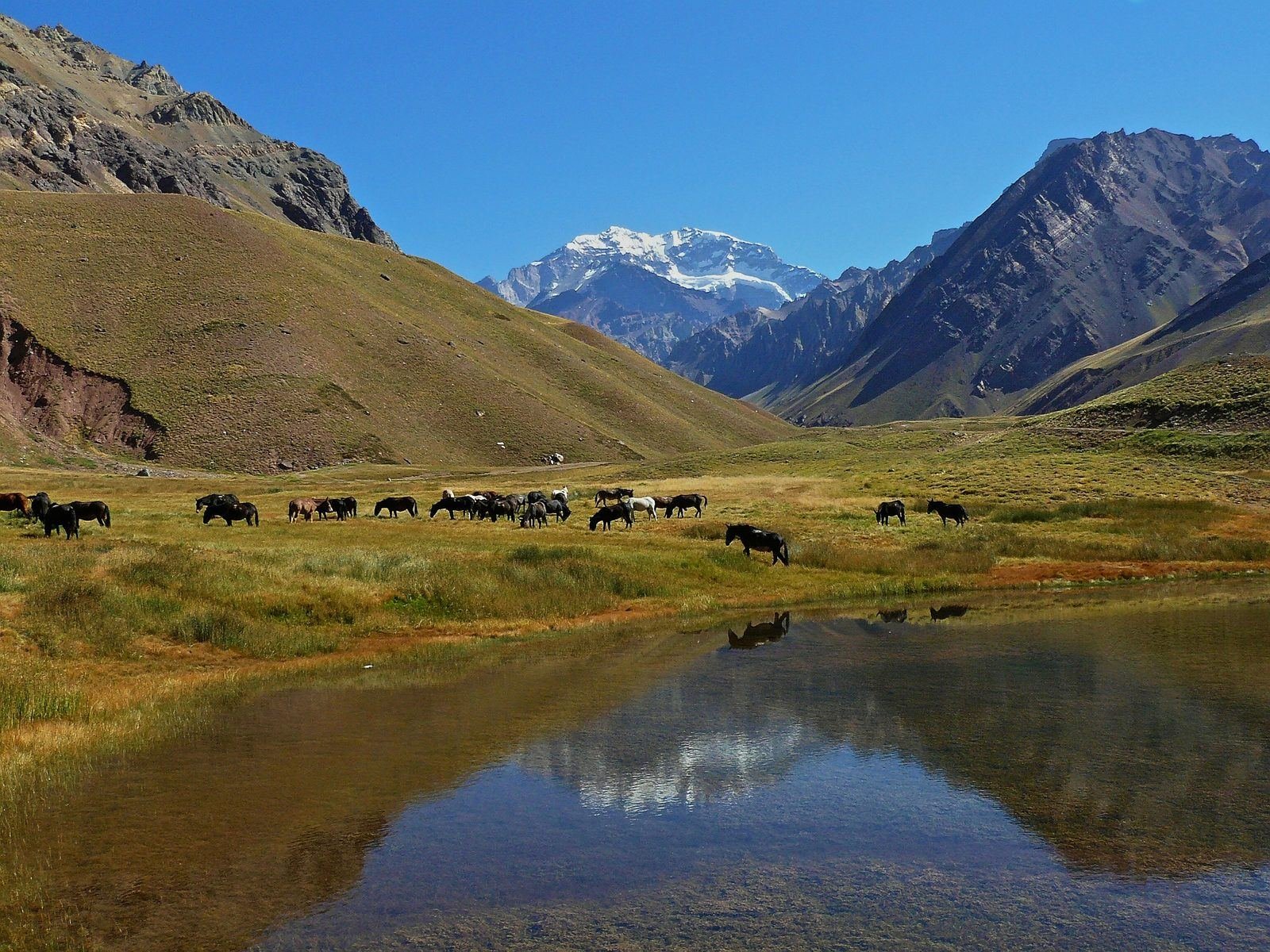
We spent the night at a campsite and the next day set off on a full-day hike into Aconcagua National Park. After just a few minutes the views of the massif opened up. Past the Horcones lagoons we climbed to the Confluencia camp at 3,400 metres and then ran back down.
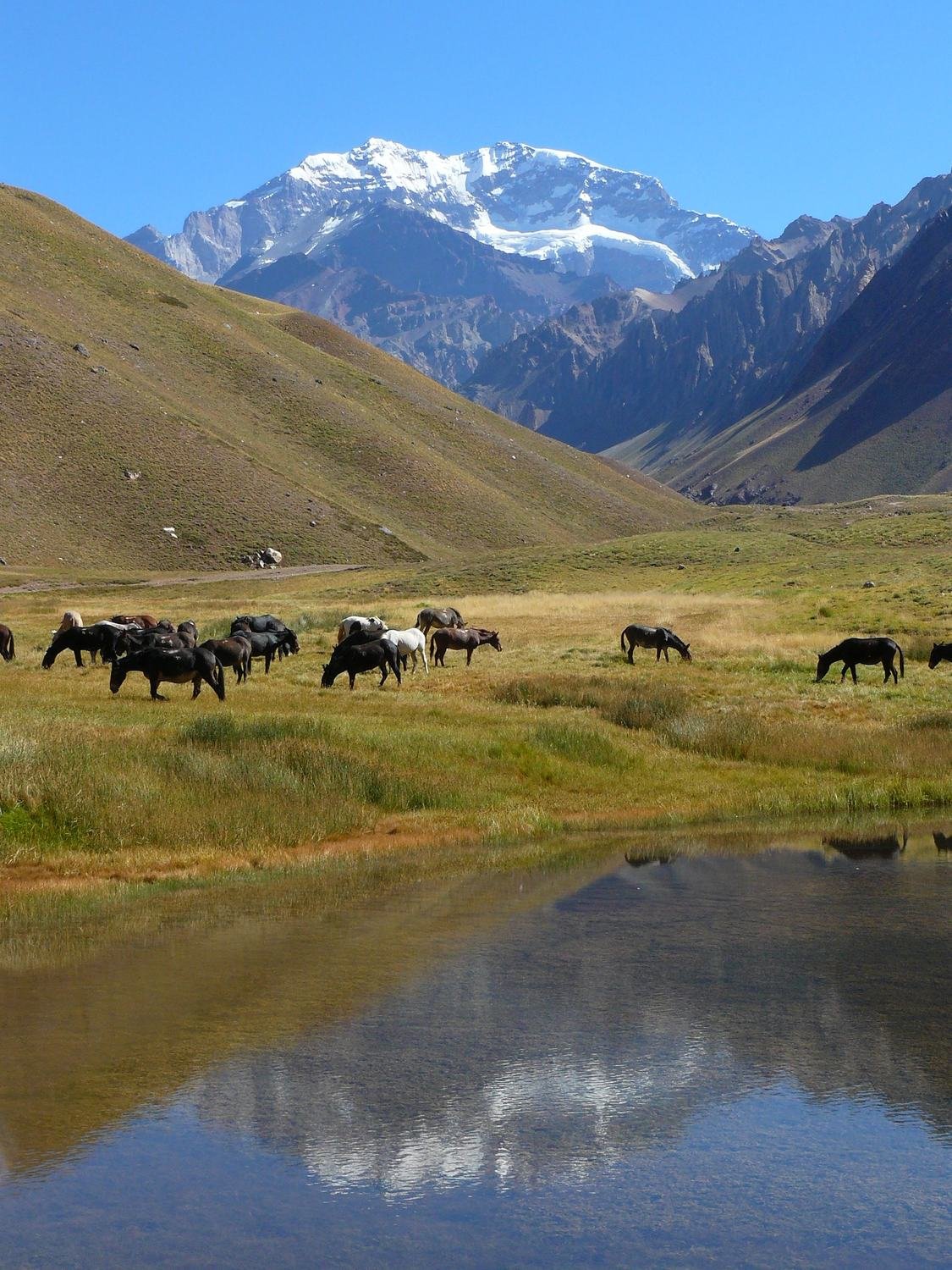
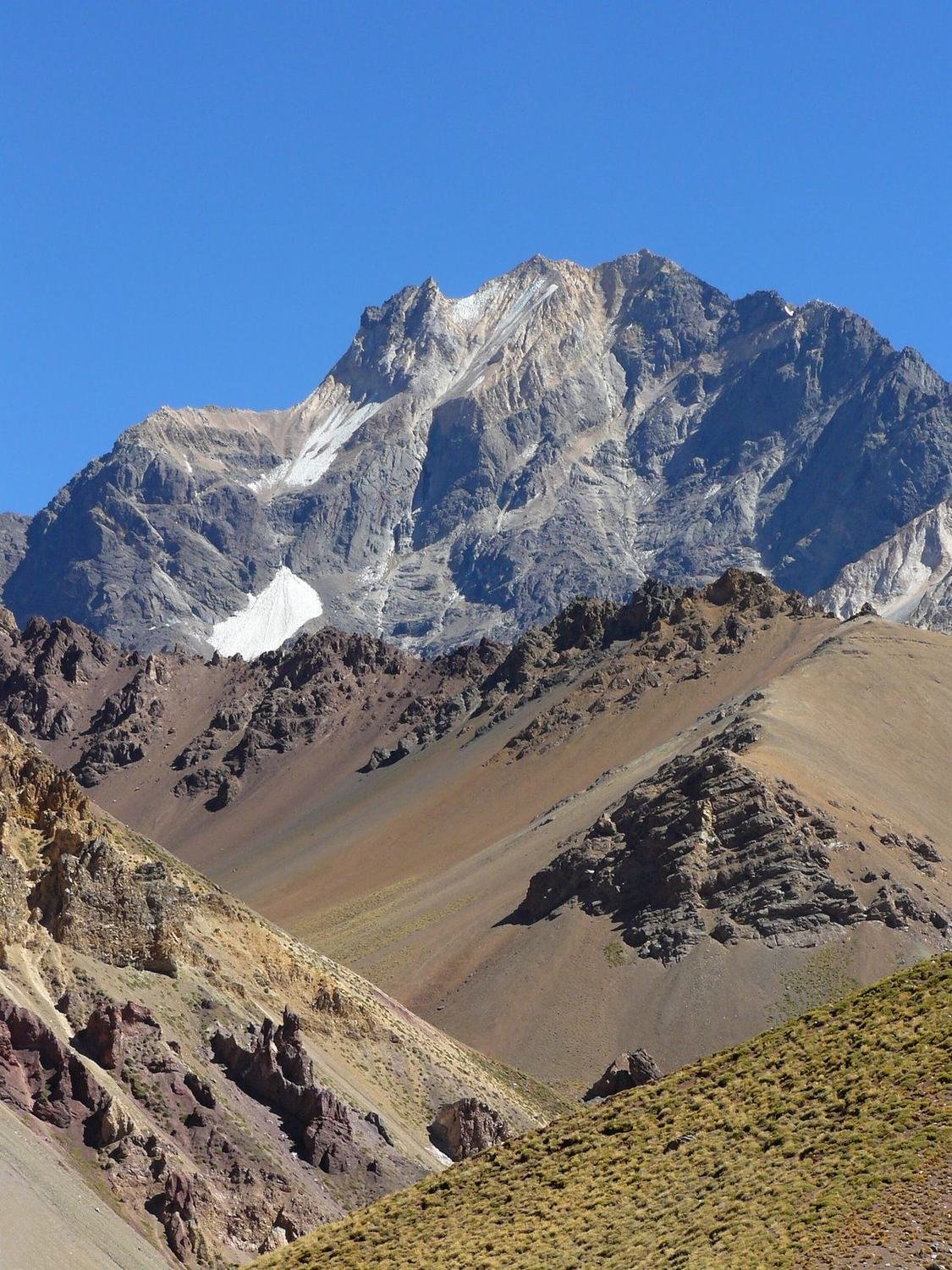
This time we really felt the altitude. We were out of breath after a few steps and the sun beat down on us all day. The reward was views you do not tire of – the snowy summit, coloured scree below it and a herd of horses by a pond.
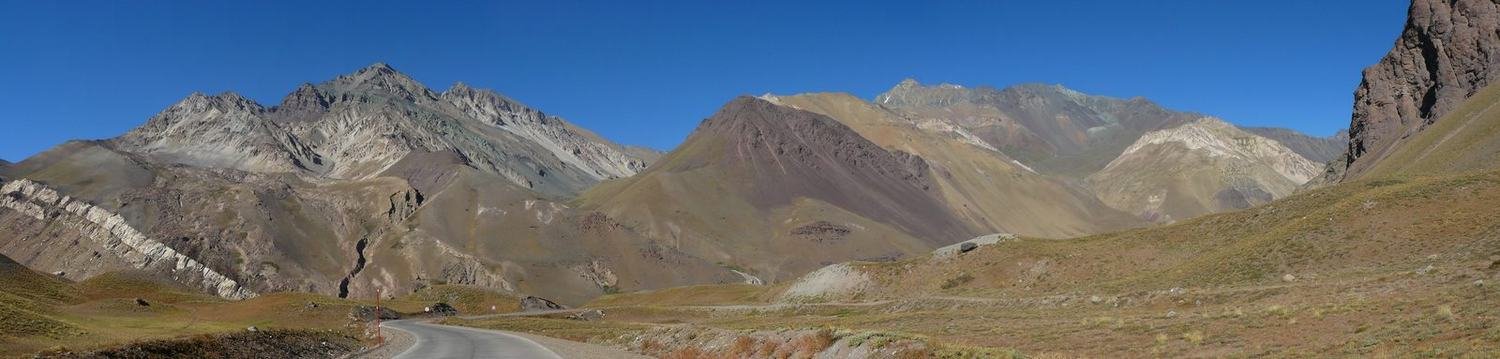
The next day we moved to the village of Las Cuevas near the Chilean border. From there eight kilometres of switchbacks lead to the statue of Christ on a pass at 3,850 metres. The statue is a symbol of peace between Argentina and Chile. Minibuses full of tourists drove past us; they took an effortless photo at the top and drove back down. We made a real pilgrimage.
Mendoza and wine
Argentina is famous not only for tango, football and steak, but also for wine. Mendoza province is one of the most important wine regions, and tastings are one of the main attractions here. We went to the small town of Maipú with a Czech we had met in Puente del Inca. We started at the wine museum with a Spanish commentary and a free tasting. Then we hired bikes and rode from winery to winery.
A tasting usually started with a young red, continued with a wine aged a few months in an oak barrel and ended with a dessert wine with an almond flavour. Our favourite was a Malbec that had spent more than a year in the barrel. Shortly before the third stop one bike got a puncture, which probably saved us from getting blind drunk. Easter in Mendoza was packed, every hostel was full and all we could find was a campsite in San Martín Park. On our last night a car reversed up to our tent and a family of six started a barbecue at midnight. At one in the morning the father and son were playing football and the ball landed on our tent several times. In the morning they got up at eight as fresh as we were.
The colourful north
In the north of Argentina we stopped in Cafayate, a quiet town surrounded by vineyards. We pitched our tent in the garden of a hostel that looked like a Moravian wine cellar.
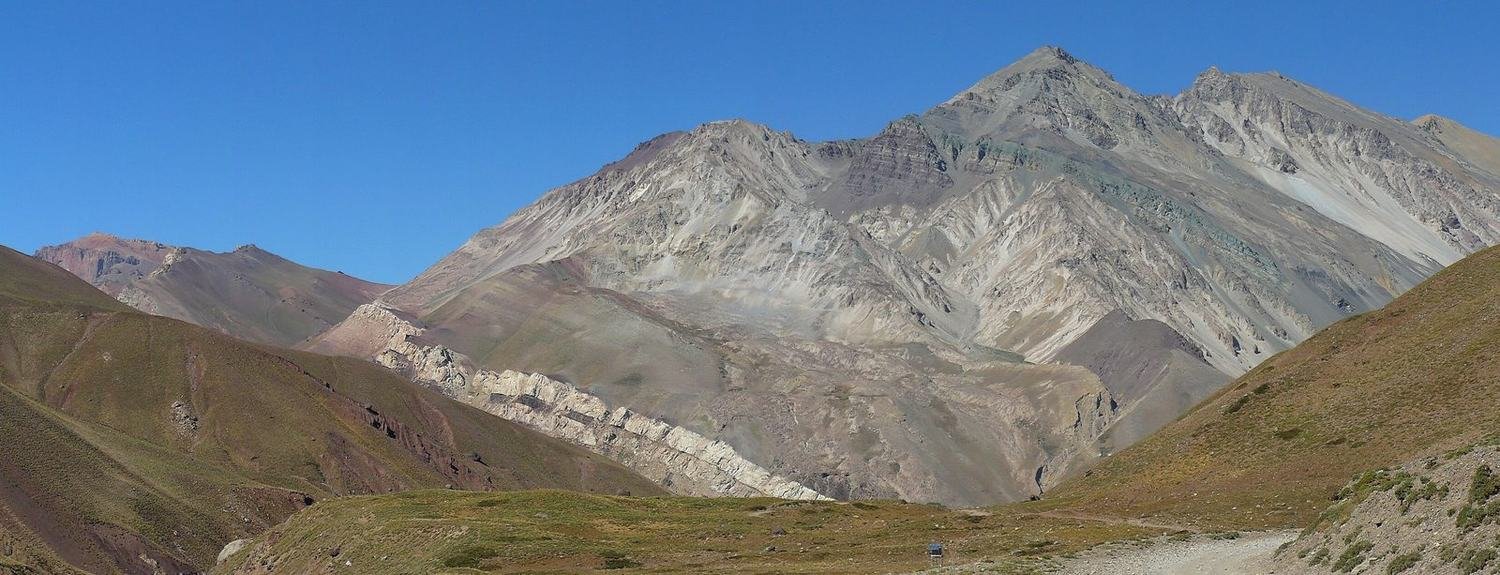
We loaded hired bikes onto a bus and had ourselves driven fifty kilometres towards Salta to the Garganta del Diablo gorge, the Devil's Throat. We pedalled back to Cafayate through the Quebrada de Cafayate canyon. Rocks sculpted by erosion into bizarre shapes show brick red, beige, brown and green. On our not-very-good mountain bikes it was hard work.
Salta greeted us with a crowd of hotel touts at the bus station. We let ourselves be talked into a cheap hostel, which turned out to be a building site – the photos on the flyer showed the house next door. On top of that, at four in the afternoon it was siesta time and the only open restaurant could offer us coffee at most.
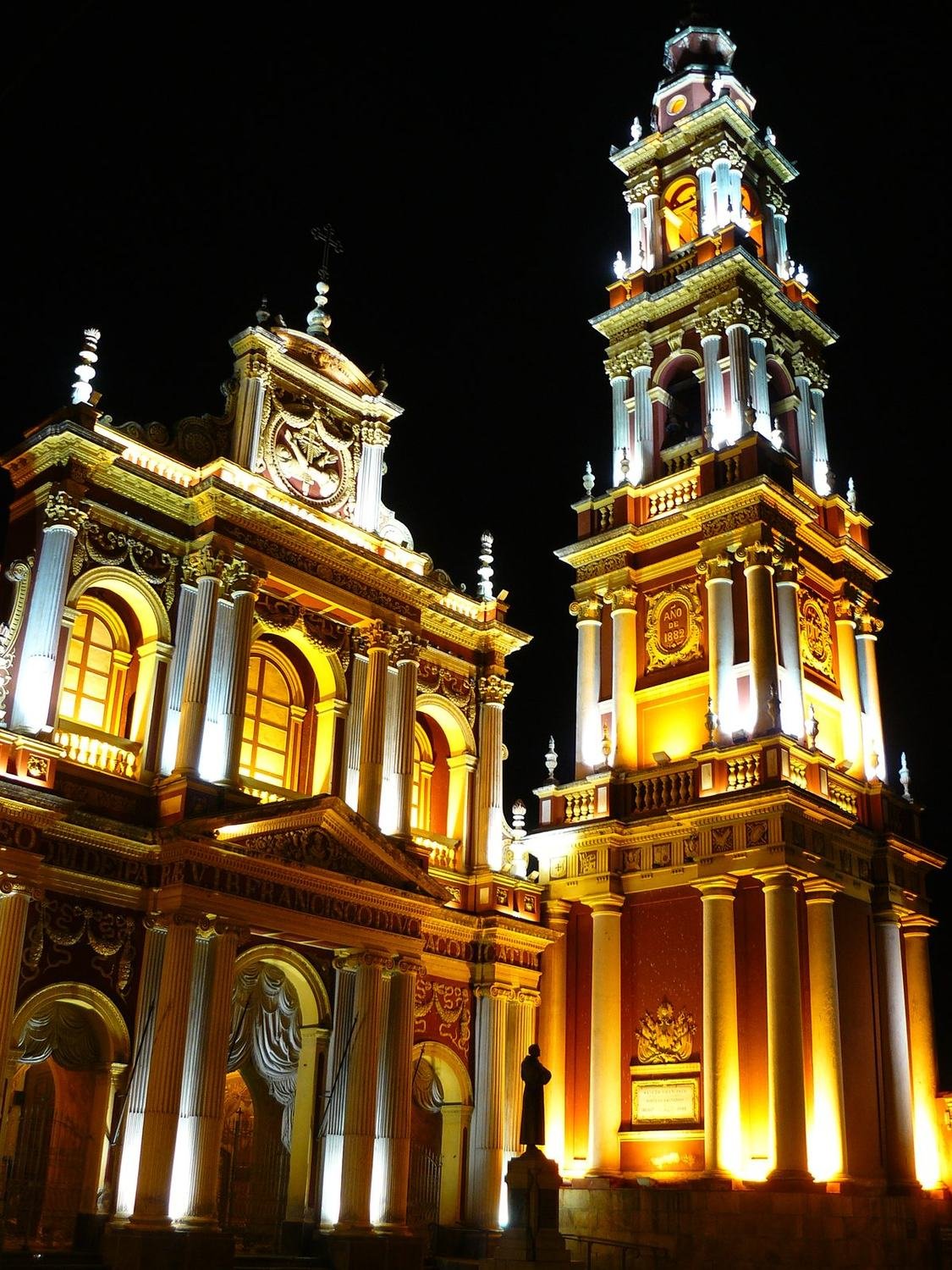
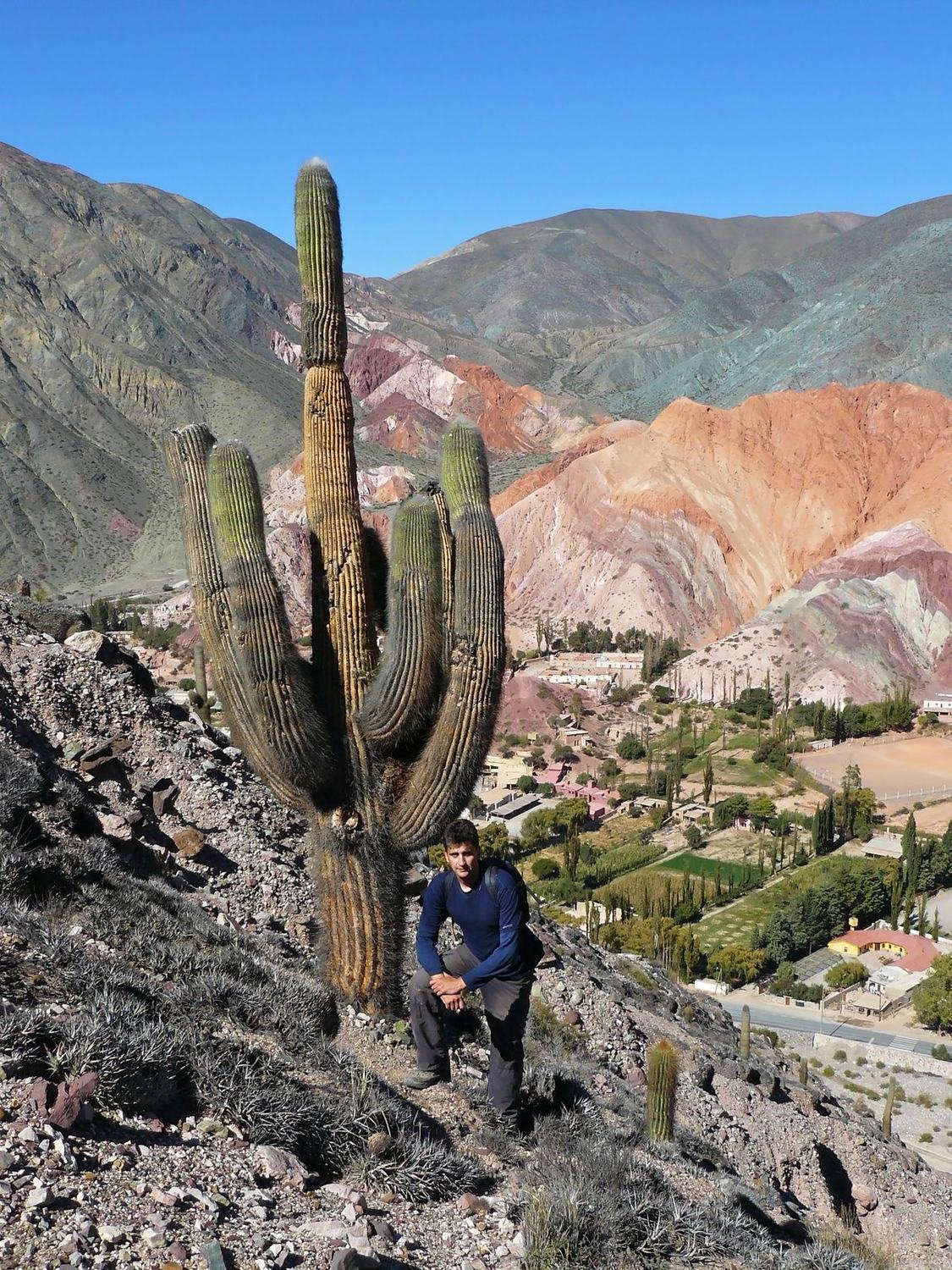
After sunset the city came alive. Crowds streamed along the pedestrian zone and policewomen with whistles directed the traffic. Our favourite place was the Mercado Central hall, where in the evening they sell empanadas, tamales and humitas, pizza and proper steaks. From then on we basically ate nowhere else. From Salta we travelled via Jujuy to Purmamarca. The Hill of Seven Colours can be seen from afar – part of it is brick red, part striped from brown to green. The best view of the village and the hill is from the opposite ridge, where we went on a half-day hike.
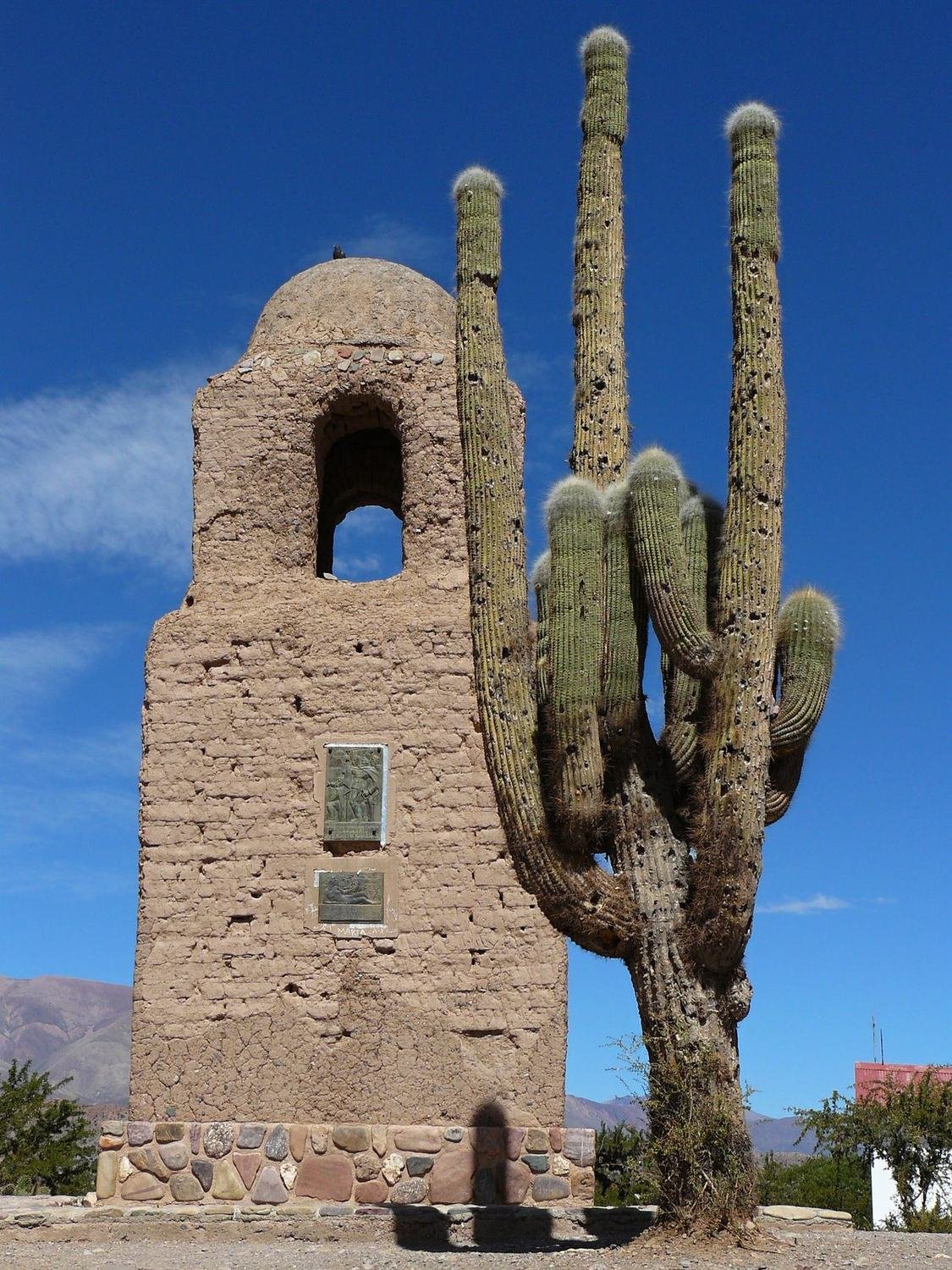
Our last stop was Humahuaca. We went there mainly to acclimatise before Bolivia, because we remembered the headaches from Puente del Inca. The narrow stone lanes, the square with its town hall and little church, and the long staircase to the independence monument were a pleasant surprise. In the morning we had no headache, so we bought tickets to La Quiaca, the last Argentine town. Bolivia and the Altiplano were waiting across the border.
A few travel tips
Argentina is big and the distances between places are huge. Long-distance buses are comfortable and frequent, but it pays to compare prices between companies. The north is best visited in autumn, in April and May, when it is no longer so hot and the skies are usually clear. If you want to go into the mountains around Aconcagua, take the altitude into account and give yourself time to acclimatise.
You will find more photos from northern Argentina and around Aconcagua in the gallery.