Galle Fort, fishermen in the south, elephants in a national park, tea plantations in the hills and the famous bridge near Ella.
Sri Lanka is an island roughly the size of the Czech Republic and Slovakia combined, but in a small area it offers coast, jungle, mountains and historic sites. In the south and in the hills the dry season runs from December to March. It lies just off the southern tip of India, and the Portuguese, Dutch and British left forts, churches and tea plantations behind. The country used to be called Ceylon.
Galle and the south coast
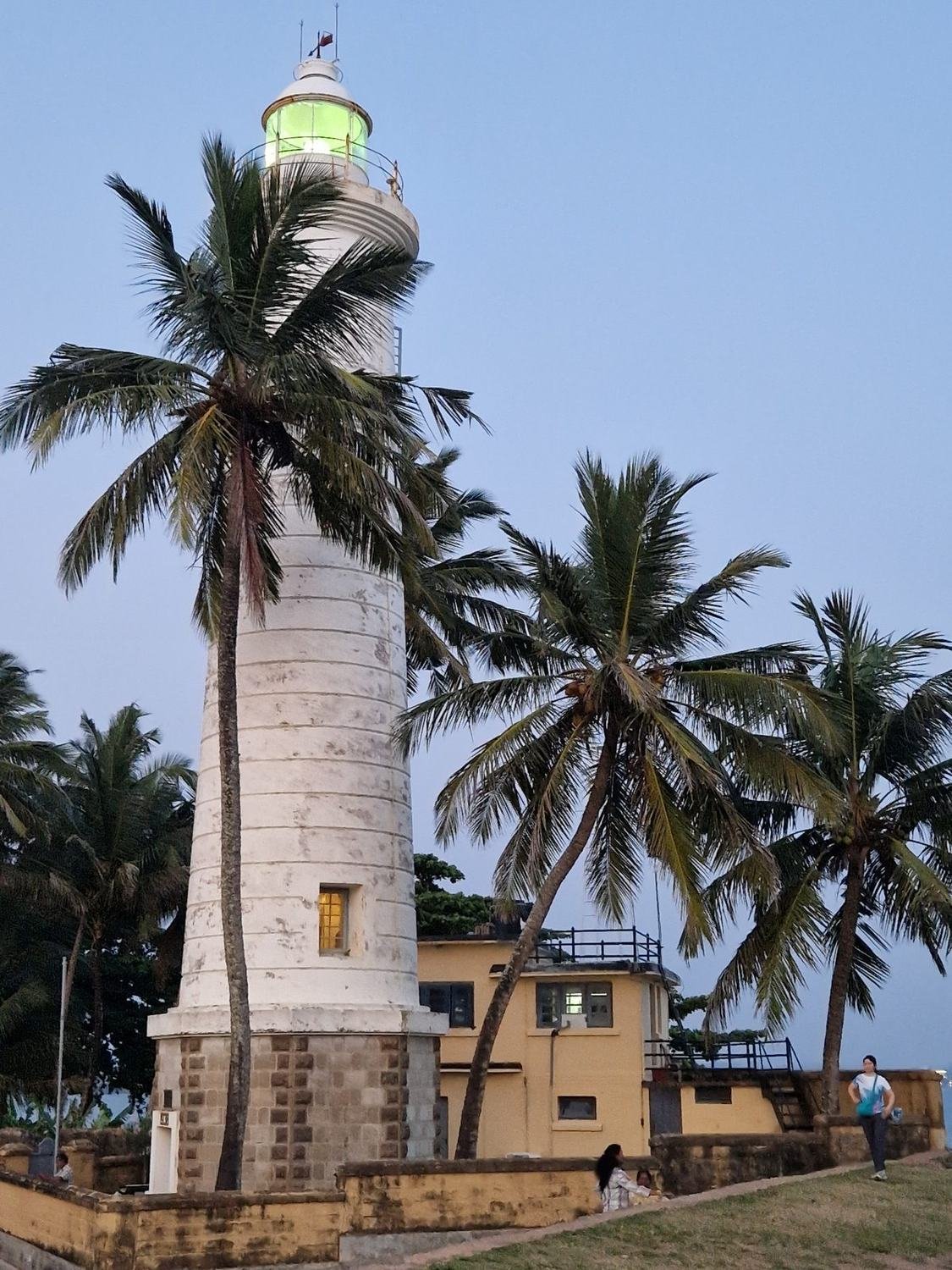
The town of Galle in the south of the island was founded by the Portuguese and expanded by the Dutch. The old town is enclosed by ramparts, and colonial houses, churches and cafés line its lanes. A white lighthouse stands on the ramparts. The walls even survived the devastating tsunami that destroyed much of the coast. People still live inside the fort today, and in the evening local families stroll along the ramparts.
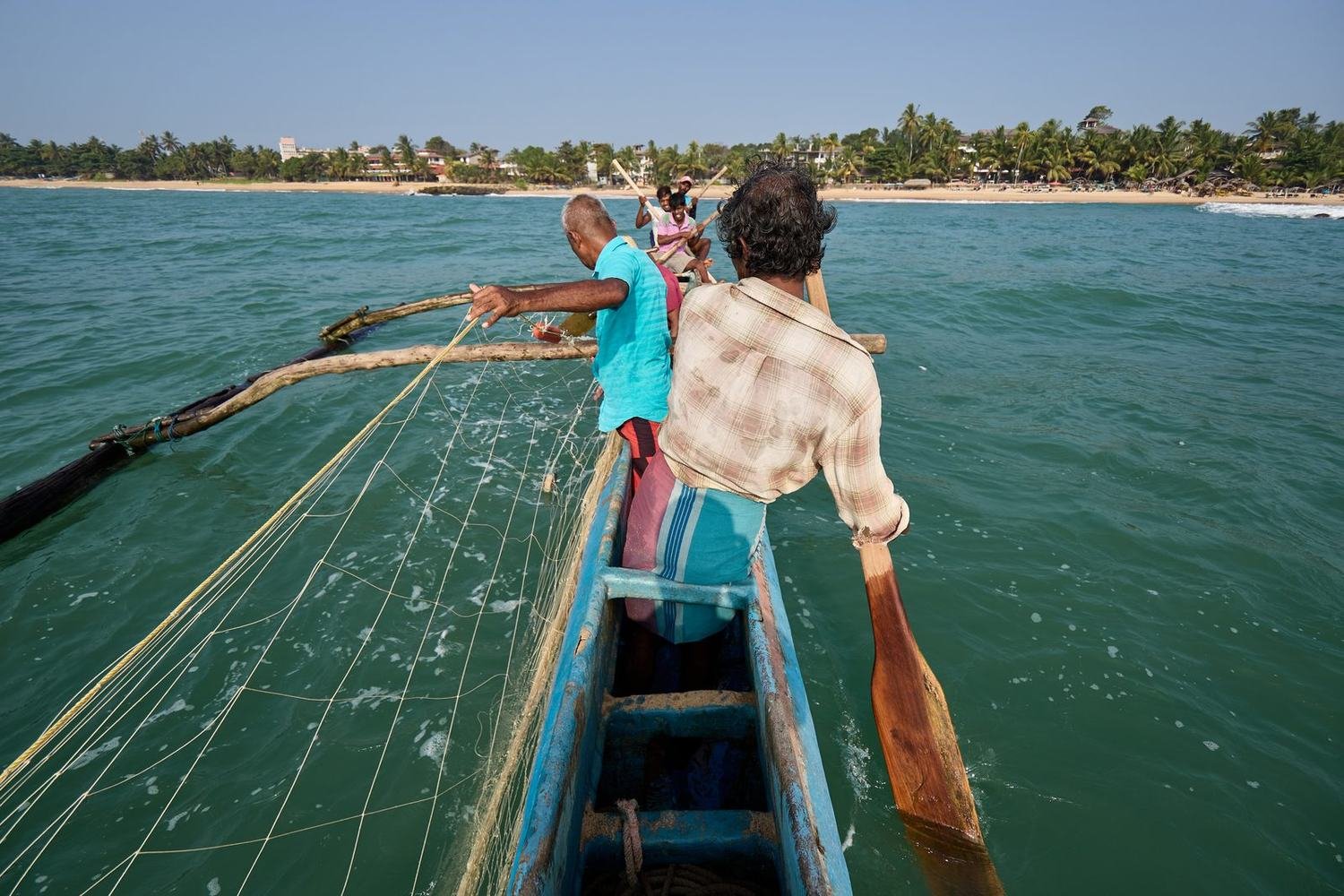
Fishing villages line the south coast. Fishermen set out in the dark in narrow boats and return in the morning with their catch. Tuna, mackerel and prawns are then sold at the market. People also used to fish from poles driven into the shallow water. The fishermen sat on a crossbar above the waves and fished with a rod. Today they do it mainly for tourists.
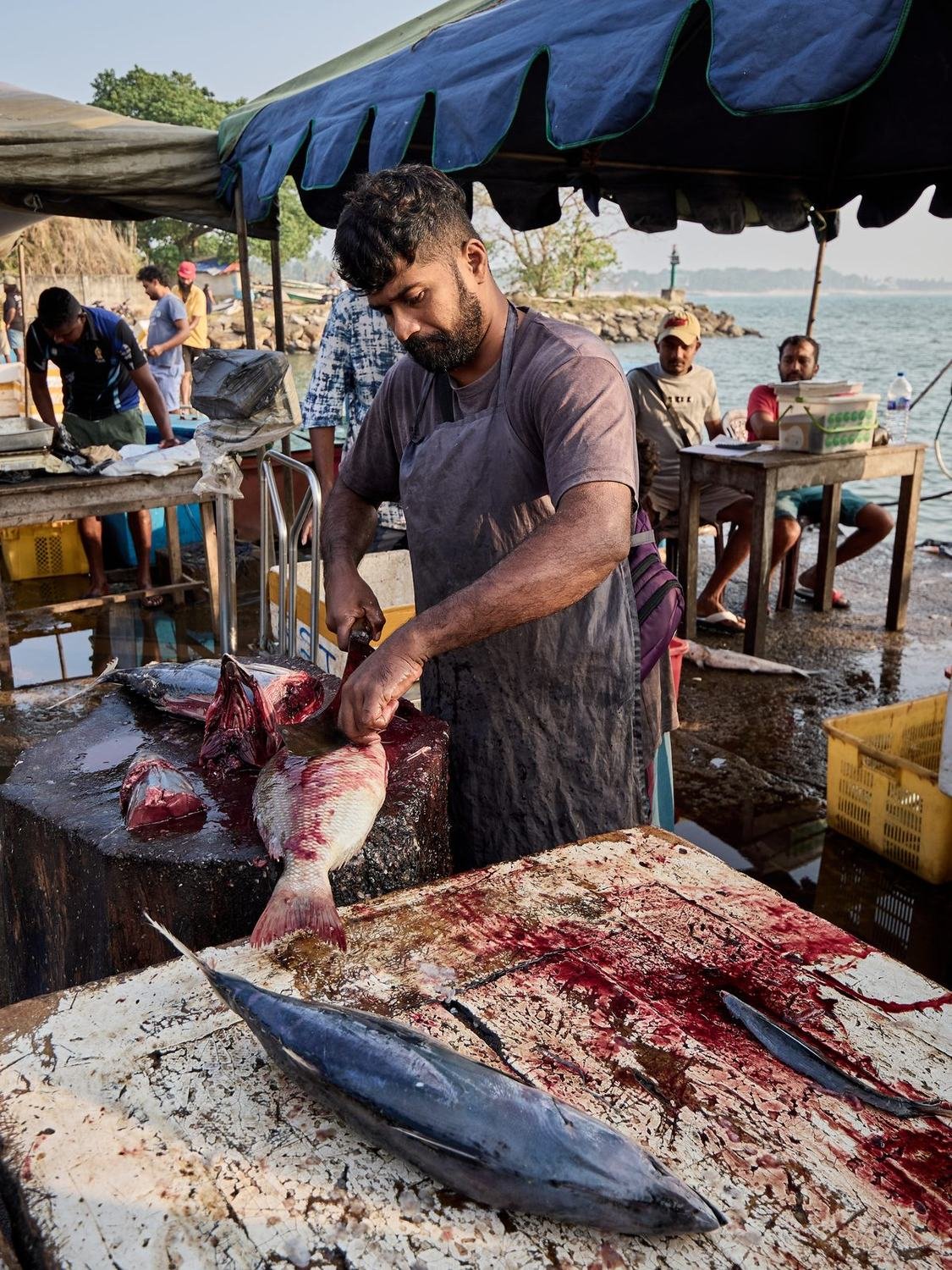
Tuna are cut up right on the market table. The sellers carve off pieces with sharp knives as the customers wish. Fish is the basis of local cuisine. The most common dish is rice and curry, where the rice comes with several bowls of fish, vegetables and lentils.
Elephants
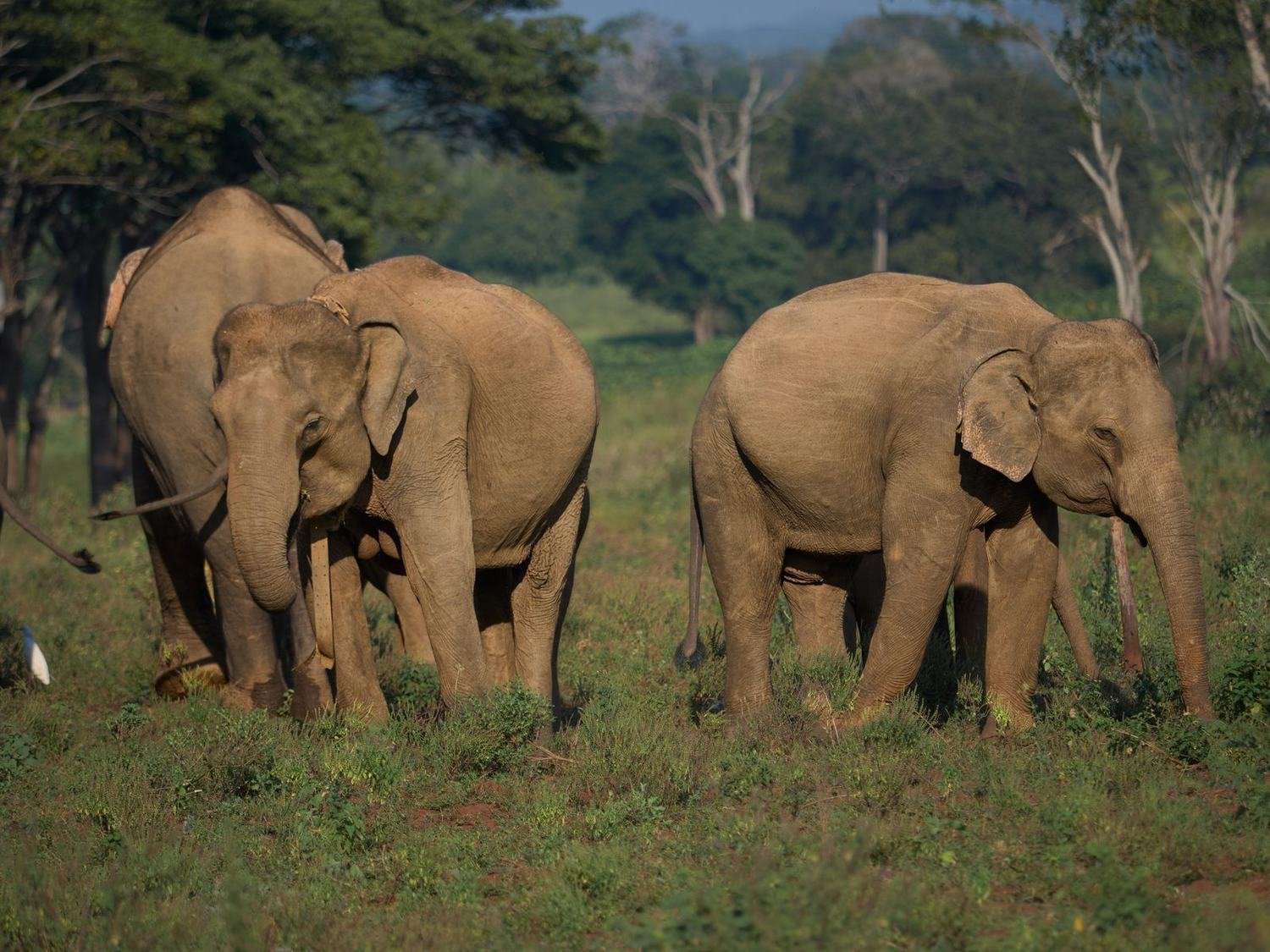
About six thousand wild elephants live in Sri Lanka. In the national parks in the south and east you are almost certain to see them, especially at reservoirs in the dry season. Sri Lankan elephants are a subspecies of the Asian elephant. Only a few males have tusks. In Minneriya National Park several hundred elephants can gather at the reservoir at once in the dry season.
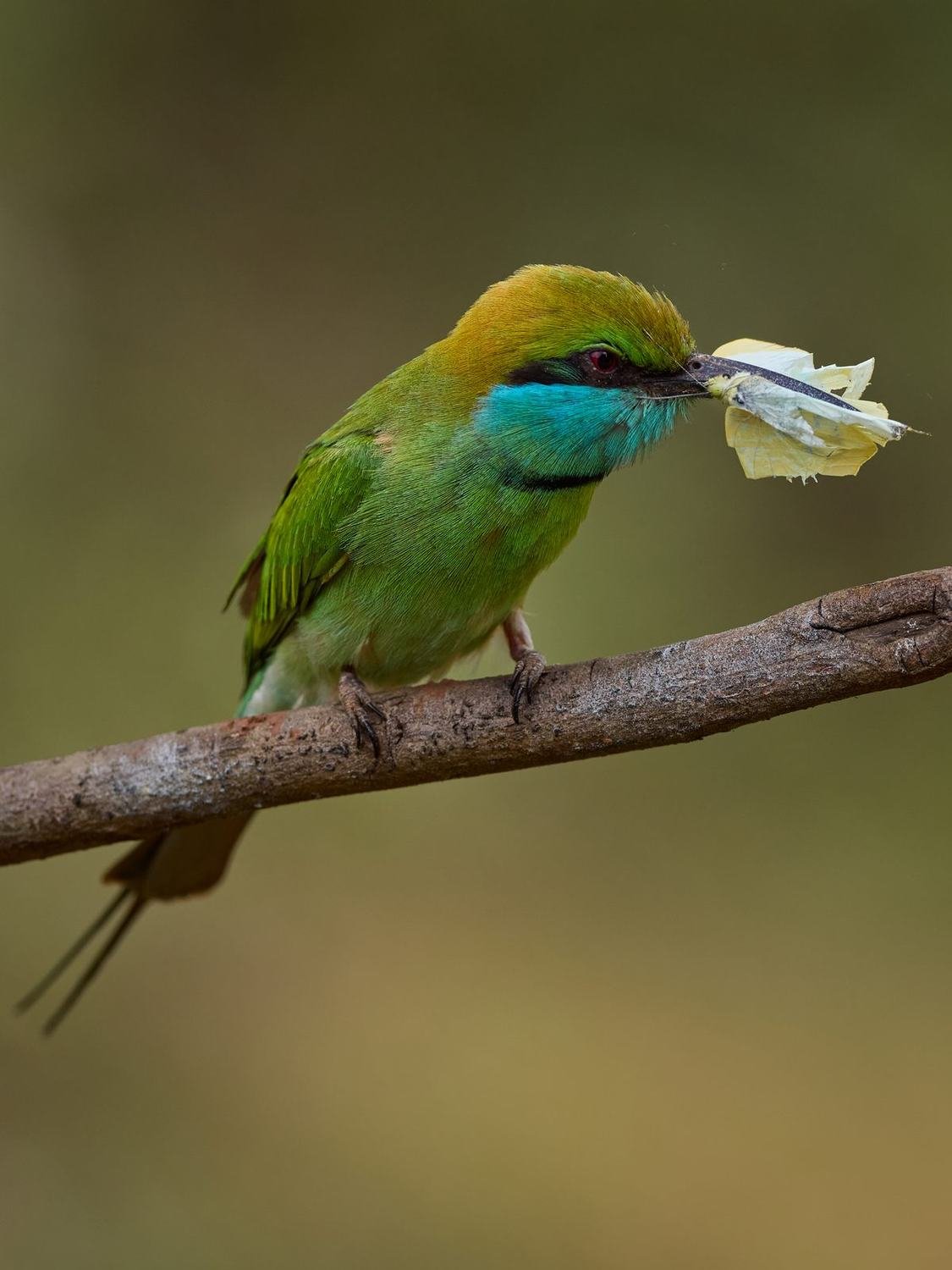
Safaris are done in open jeeps. Besides elephants you can see buffaloes, crocodiles, peacocks and lots of birds. Colourful bee-eaters catch insects in flight and return to the same branch. Yala Park in the south has one of the highest densities of leopards in the world. The leopards here also hunt during the day, so there is a chance of spotting them.
The tea hills
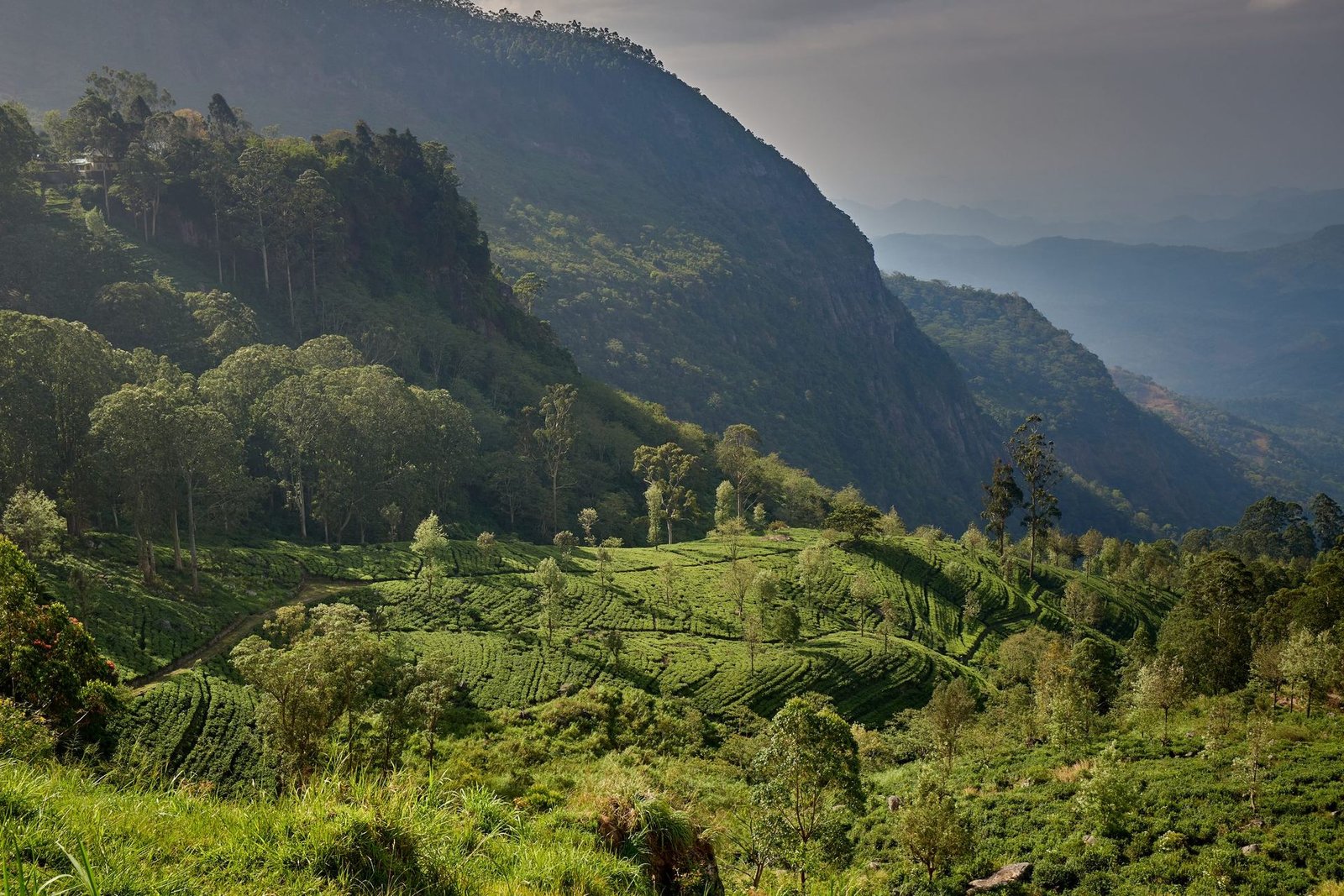
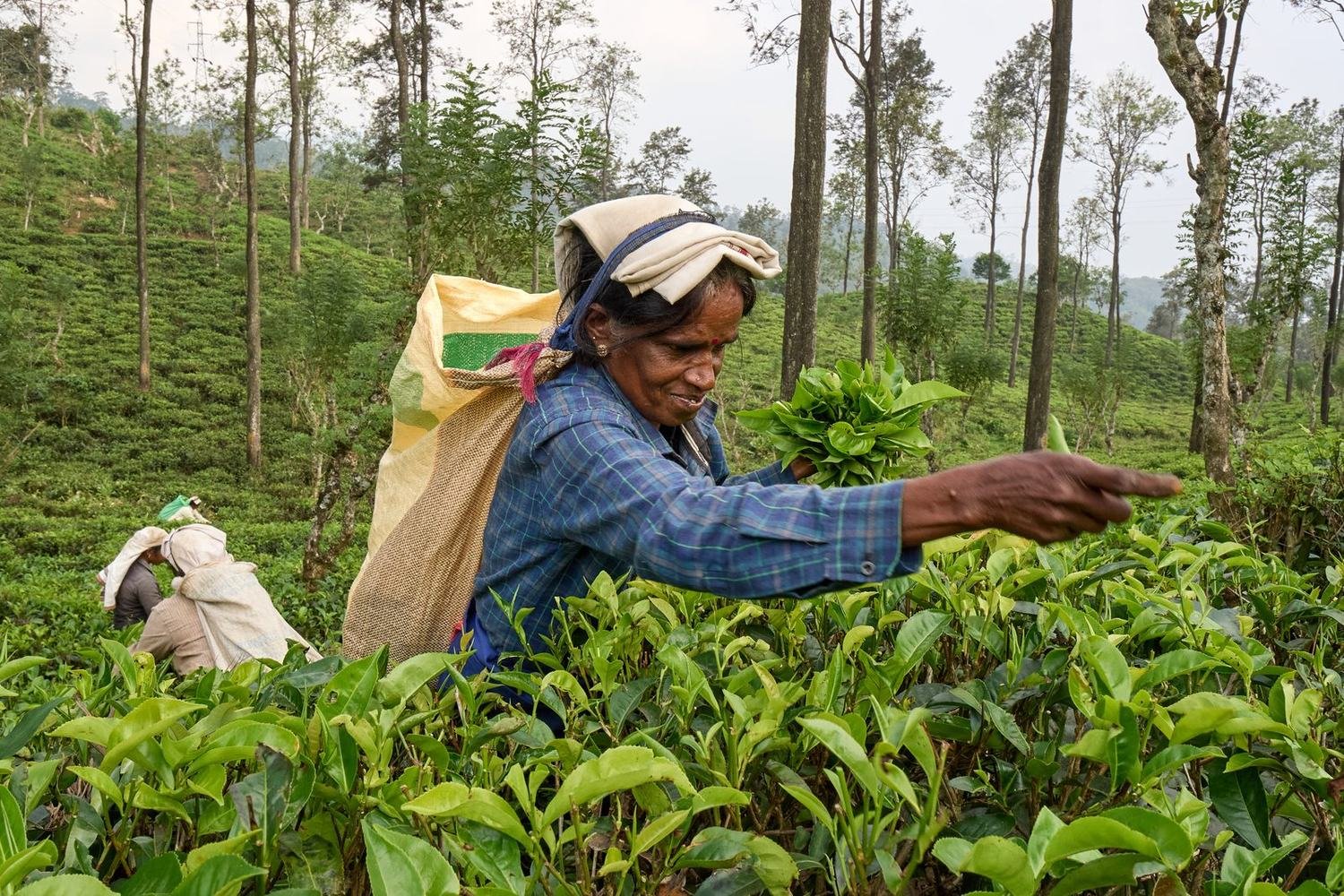
The centre of the island is formed by mountains that the British planted with tea in the 19th century. Tea bushes cover the slopes like a green carpet, with the pickers' paths running between them. Coffee used to be grown here, but in the 19th century it was destroyed by a fungus. The British then planted the estates with tea, and Ceylon tea became world-famous. Tea is picked by hand. The pickers carry a basket on their backs and pluck only two leaves and a bud from each shoot. They have to pick around twenty kilos a day.
Most of the pickers are Tamil women whose ancestors were brought here by the British from southern India. The leaves are taken to the factory the same day, where they are withered, rolled, fermented and dried.
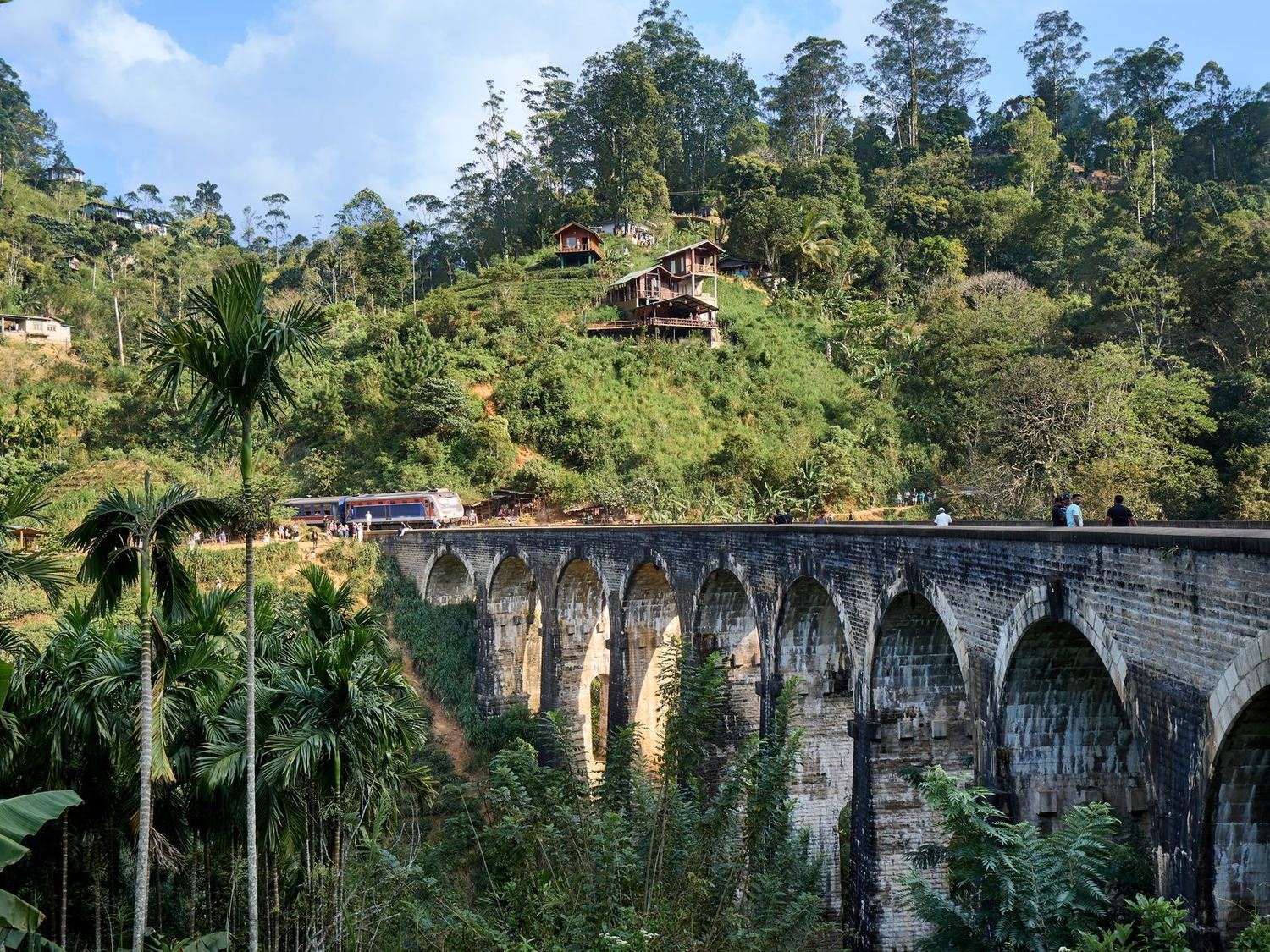
The best way into the hills is by train. The line from Kandy to Ella is one of the most beautiful railways in the world. The train goes slowly, the windows and doors are open and people lean out. The line climbs through tea estates, cloud forests and tunnels to around 1,900 metres. The journey takes several hours and there is always something happening outside the window. Near Ella stands the stone Nine Arch Bridge with its nine arches. The British built it a hundred years ago without steel, just stone and brick. When a train is due, hundreds of people with cameras wait on the tracks and the slopes.
Ella is a popular small town in the hills. Trails lead from it to Little Adam's Peak and to tea estates with views down into the valley.
Temples and festivals
Most of the population are Buddhists; in the north and in the hills there is a Tamil minority who are Hindus. Hindu temples are colourful and full of statues of gods. In Kandy stands the Temple of the Tooth, where a tooth of the Buddha is kept. In August the Esala Perahera procession with decorated elephants, dancers and drummers takes place here.

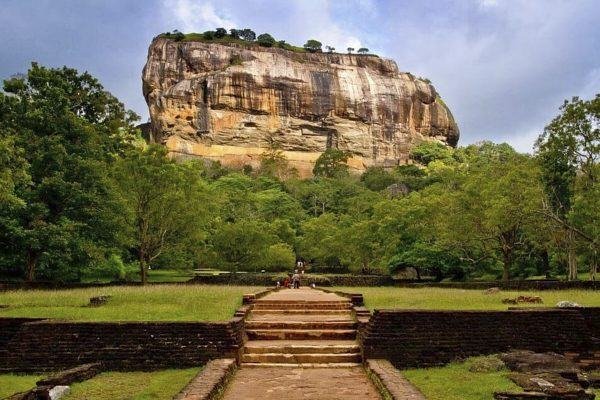
In the centre of the island rises the Sigiriya rock with the remains of a 5th-century royal palace. Steps lead up past frescoes and giant lion's paws. The rock is about two hundred metres high. According to the chronicle, King Kassapa built his palace here to protect himself from his brother. Today Sigiriya is a UNESCO World Heritage Site.
Practical tips
The best time for the south and the hills is December to March. Trains are cheap, but for the Ella line it is a good idea to book seats in advance. I run an expedition to Sri Lanka – details on the page Sri Lanka.